
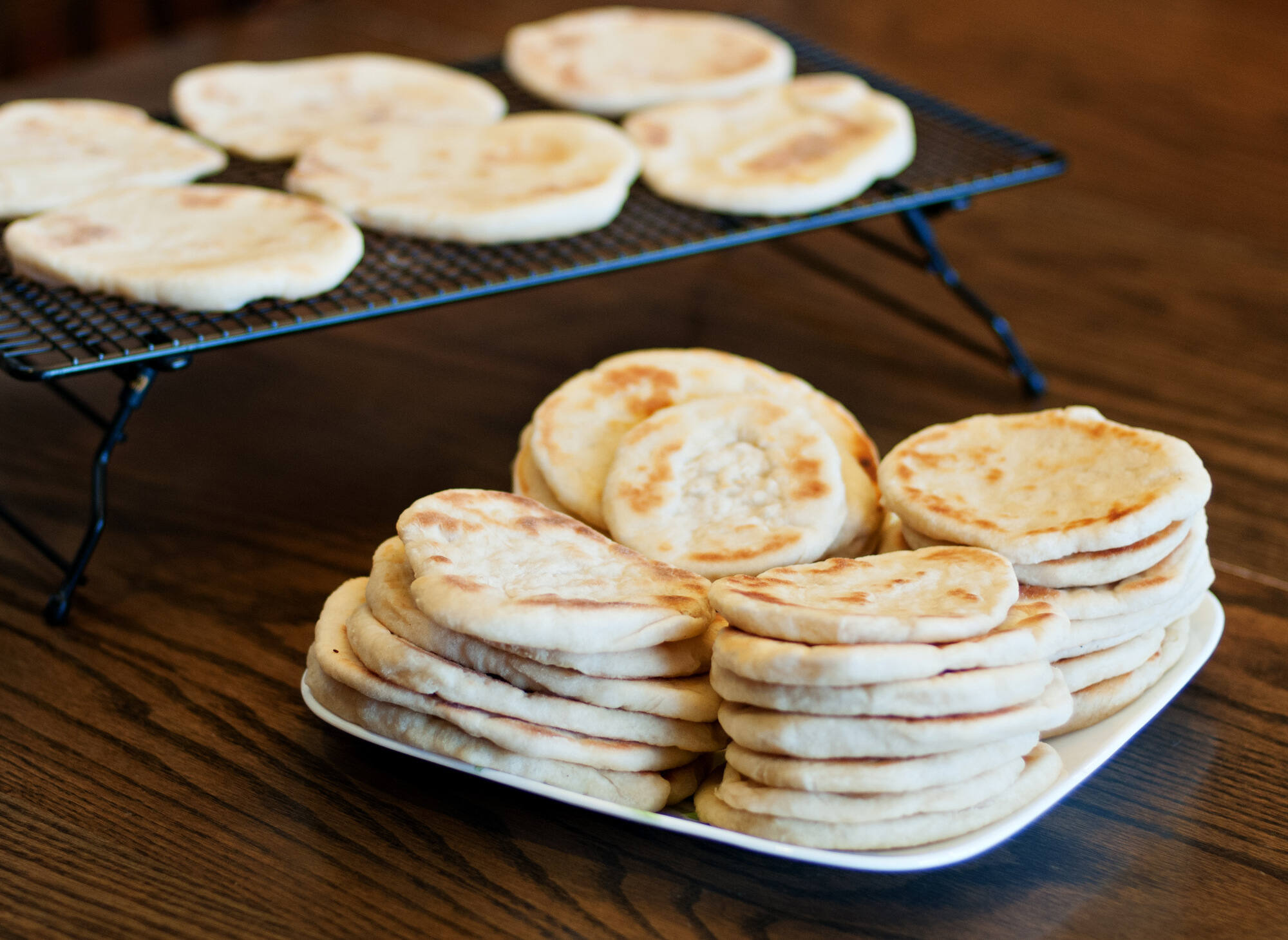
I’m really happy to share this sabaayad Somali flatbread recipe with you. It’s a simple dish that brings back warm memories of family meals and cozy mornings. I hope you enjoy making it as much as I do—it’s fun to roll out the dough and watch it turn golden on the skillet.
Most of the ingredients in this recipe are probably already in your kitchen, like flour, salt, and sugar. If you need to pick something up, vegetable oil is easy to find at any supermarket. The warm water is just regular tap water heated a bit, so no special trip needed there.
Ingredients For Sabaayad Somali Flatbread Recipe
All-purpose flour: This is the main ingredient that gives the flatbread its structure and softness.
Salt: Adds a little flavor to balance the sweetness and richness.
Sugar: Just a touch to give the bread a mild sweetness.
Vegetable oil: Helps make the dough smooth and keeps the flatbread tender.
Warm water: Used to bring the dough together and make it easy to knead.
Technique Tip for Making This Flatbread
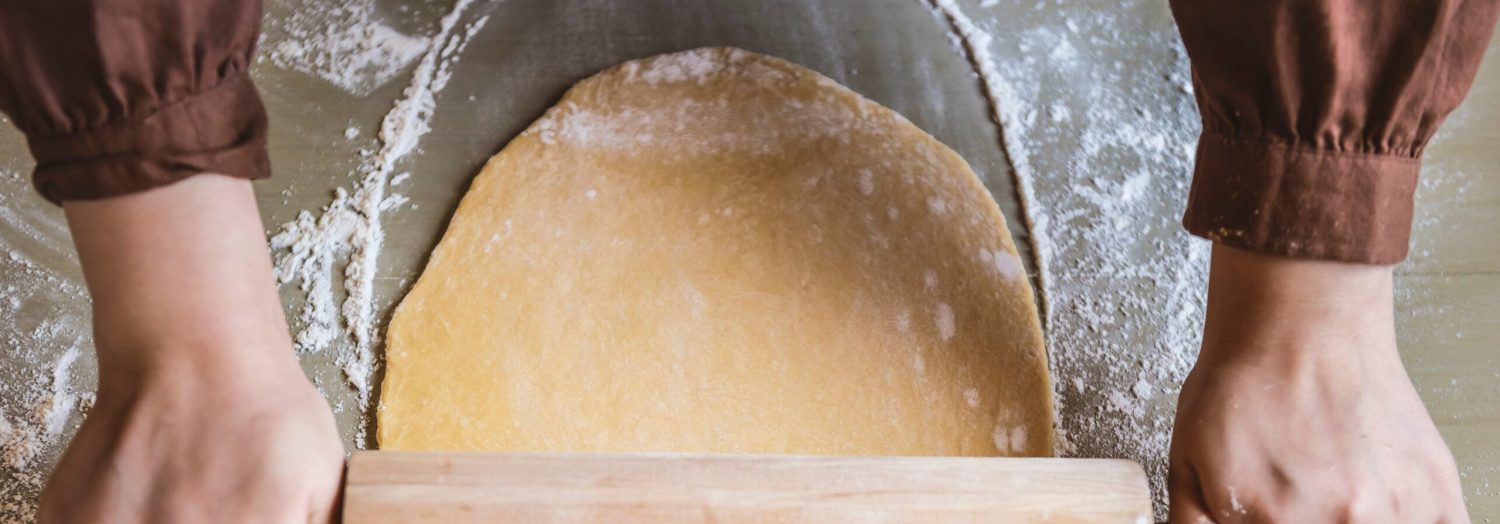
One of the most important steps in making Sabaayad Somali Flatbread is rolling out the dough into thin circles. Getting this right helps the flatbread cook evenly and become nice and soft with those golden brown spots that make it so tasty. Here’s how to do it without any trouble:
- Sprinkle some flour on your work surface before you start rolling. This stops the dough from sticking and makes it easier to move around.
- Take one of your dough balls and press it down a little with your hands to flatten it just a bit.
- Use a rolling pin to gently roll the dough out from the center toward the edges. Try to keep it as round as you can.
- If the dough starts sticking to the rolling pin or surface, just add a little more flour.
- Roll until the dough is thin but not so thin that it tears—about the thickness of a pancake works well.
Doing this step carefully means your flatbreads cook evenly in the skillet, so they puff up a bit and get those perfect golden spots. If the dough is too thick, the bread might stay doughy inside, and if it’s too thin, it could burn or tear.
When I first tried rolling out the dough, I pressed too hard and ended up with flatbreads that were too thick and chewy. After a few tries, I learned to be gentle and patient, and it made a big difference. Also, keeping some extra flour nearby to dust your surface and rolling pin really helps keep things smooth and stress-free.
Once you get the hang of rolling the dough just right, cooking your Sabaayad feels like a little kitchen victory every time!
Suggested Side Dishes
Alternative Ingredients
all-purpose flour - Substitute with whole wheat flour: Whole wheat flour adds a nutty flavor and more fiber, making the flatbread healthier.
all-purpose flour - Substitute with gluten-free flour blend: For those with gluten intolerance, a gluten-free flour blend can be used to achieve a similar texture.
salt - Substitute with sea salt: Sea salt can provide a slightly different mineral content and flavor profile.
sugar - Substitute with honey: Honey can add a natural sweetness and a bit of moisture to the dough.
sugar - Substitute with agave syrup: Agave syrup is another natural sweetener that can be used in place of sugar.
vegetable oil - Substitute with olive oil: Olive oil can add a richer flavor and is a healthier fat option.
vegetable oil - Substitute with coconut oil: Coconut oil can add a subtle coconut flavor and is also a healthier fat option.
warm water - Substitute with milk: Using milk can make the flatbread softer and add a slight richness.
warm water - Substitute with buttermilk: Buttermilk can add a tangy flavor and make the flatbread more tender.
Other Alternative Recipes Similar to This Flatbread
How to Store or Freeze This Flatbread
- Allow the flatbreads to cool completely before storing. This prevents condensation, which can make them soggy.
- Place a sheet of parchment paper between each flatbread to keep them from sticking together.
- Store the flatbreads in an airtight container or a resealable plastic bag. They can be kept at room temperature for up to 2 days.
- For longer storage, place the flatbreads in the refrigerator. They will stay fresh for up to a week.
- To freeze, wrap each flatbread individually in plastic wrap or aluminum foil. Place the wrapped flatbreads in a resealable freezer bag, removing as much air as possible before sealing.
- Label the bag with the date to keep track of freshness. The flatbreads can be frozen for up to 3 months.
- When ready to use, thaw the flatbreads at room temperature or in the refrigerator.
- Reheat the flatbreads in a skillet over medium heat for a few minutes on each side, or wrap them in a damp paper towel and microwave for 20-30 seconds until warm.
How to Reheat Leftovers
Stovetop Method:
- Preheat a skillet over medium heat.
- Lightly brush the sabaayad with vegetable oil or olive oil.
- Place the flatbread in the skillet and heat for about 1-2 minutes on each side until warmed through and slightly crispy.
Oven Method:
- Preheat your oven to 350°F (175°C).
- Wrap the sabaayad in aluminum foil to prevent it from drying out.
- Place the wrapped flatbread on a baking sheet and heat for 10-15 minutes until warm.
Microwave Method:
- Place the sabaayad on a microwave-safe plate.
- Cover it with a damp paper towel to keep it moist.
- Microwave on high for 20-30 seconds. Check and add more time if needed, but be careful not to overheat as it can become tough.
Toaster Oven Method:
- Preheat the toaster oven to 350°F (175°C).
- Place the sabaayad directly on the rack or on a baking sheet.
- Heat for 5-7 minutes until warm and slightly crispy.
Steaming Method:
- Place a steamer basket over a pot of boiling water.
- Wrap the sabaayad in a clean kitchen towel or parchment paper.
- Steam for about 5 minutes until the flatbread is warm and soft.
Best Tools for Making This Flatbread
Mixing bowl: A large bowl to combine and mix the ingredients together.
Measuring cups: Used to measure the flour, vegetable oil, and warm water accurately.
Measuring spoons: Used to measure the salt and sugar precisely.
Wooden spoon: Useful for mixing the ingredients before kneading.
Clean surface: A flat, clean surface for kneading and rolling out the dough.
Rolling pin: Helps in rolling the dough balls into thin circles.
Skillet: A flat-bottomed pan to cook the flatbreads on medium heat.
Spatula: Handy for flipping the flatbreads while cooking.
Kitchen towel: To cover the dough balls and keep them from drying out before rolling.
Cooling rack: To place the cooked flatbreads on, allowing them to cool slightly before serving.
How to Save Time on Making This Flatbread
Prepare ingredients in advance: Measure and mix the dry ingredients ahead of time to streamline the process.
Use a stand mixer: Let a stand mixer do the kneading for you to save effort and time.
Preheat the skillet: Ensure the skillet is hot before you start cooking to reduce waiting time.
Batch rolling: Roll out all the dough balls at once so you can cook them consecutively without interruption.
Store properly: Make extra flatbreads and store them in an airtight container for quick reheating later.
Sabaayad Somali Flatbread Recipe
Ingredients
Main Ingredients
- 2 cups All-purpose flour
- 1 teaspoon Salt
- 1 tablespoon Sugar
- 2 tablespoon Vegetable oil
- ¾ cup Warm water
Instructions
- In a mixing bowl, combine the flour, salt, and sugar.
- Add the vegetable oil and warm water. Mix until a dough forms.
- Knead the dough for about 5 minutes until smooth.
- Divide the dough into 4 equal parts and roll each into a ball.
- On a floured surface, roll each ball into a thin circle.
- Heat a skillet over medium heat. Cook each flatbread for 2-3 minutes on each side until golden brown.
- Serve warm.
Nutritional Value
Keywords
More Amazing Recipes to Try 🙂
- Seasoned Swai Fish Fillet Recipe25 Minutes
- Birria Quesa Tacos Recipe4 Hours 30 Minutes
- Peanut Butter Loaf Recipe1 Hours 15 Minutes
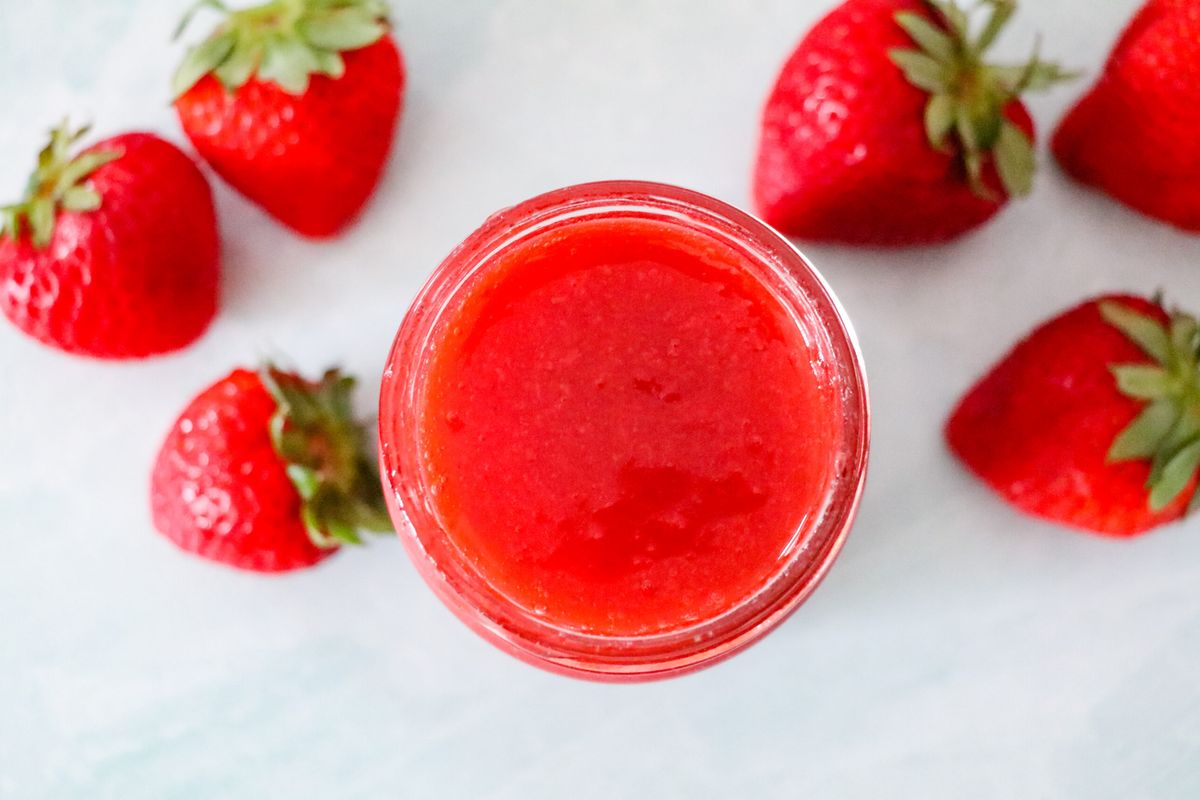
- Strawberry Glaze Recipe15 Minutes
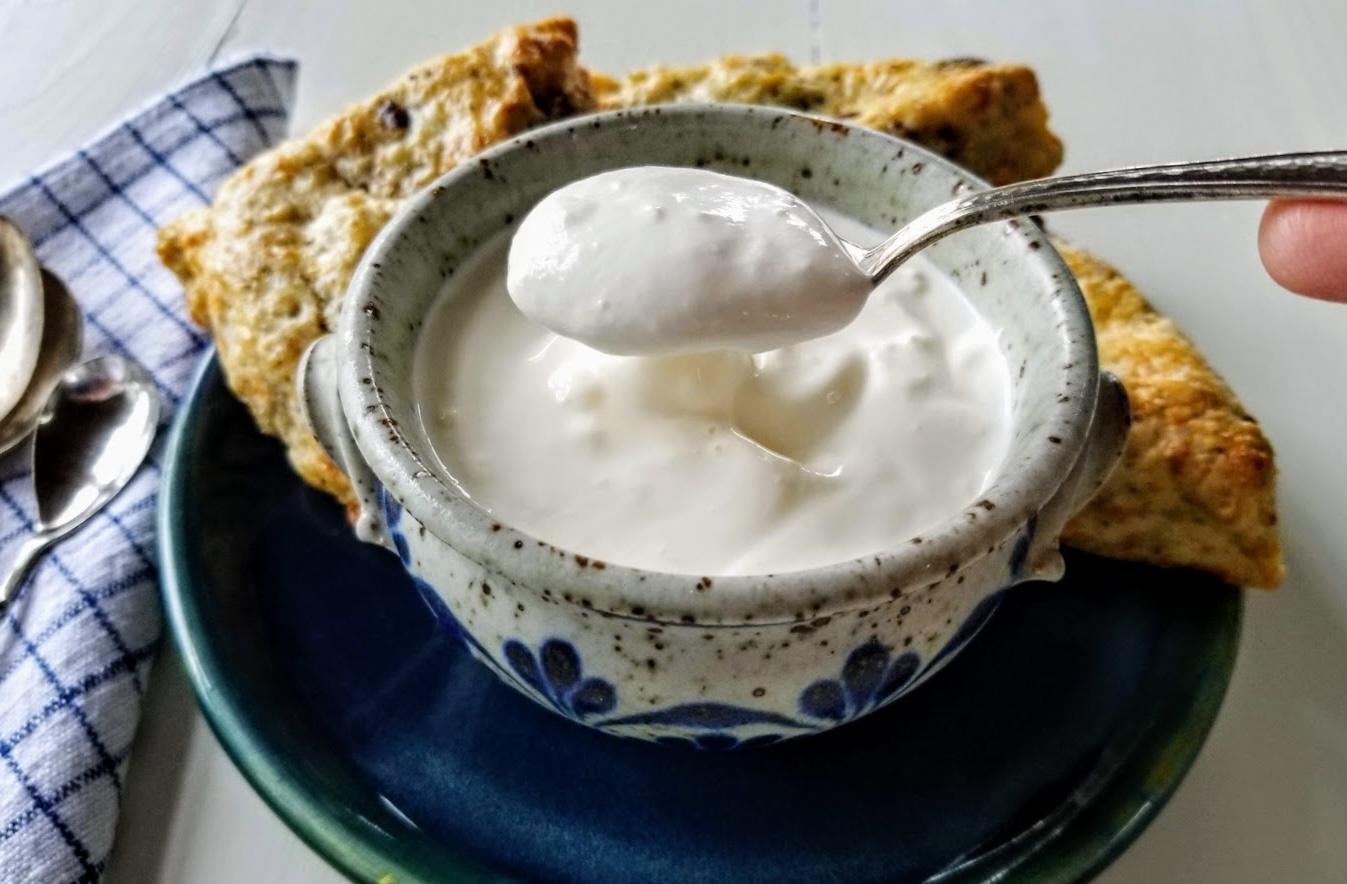
- Creme Fraiche Recipe24 Hours 5 Minutes
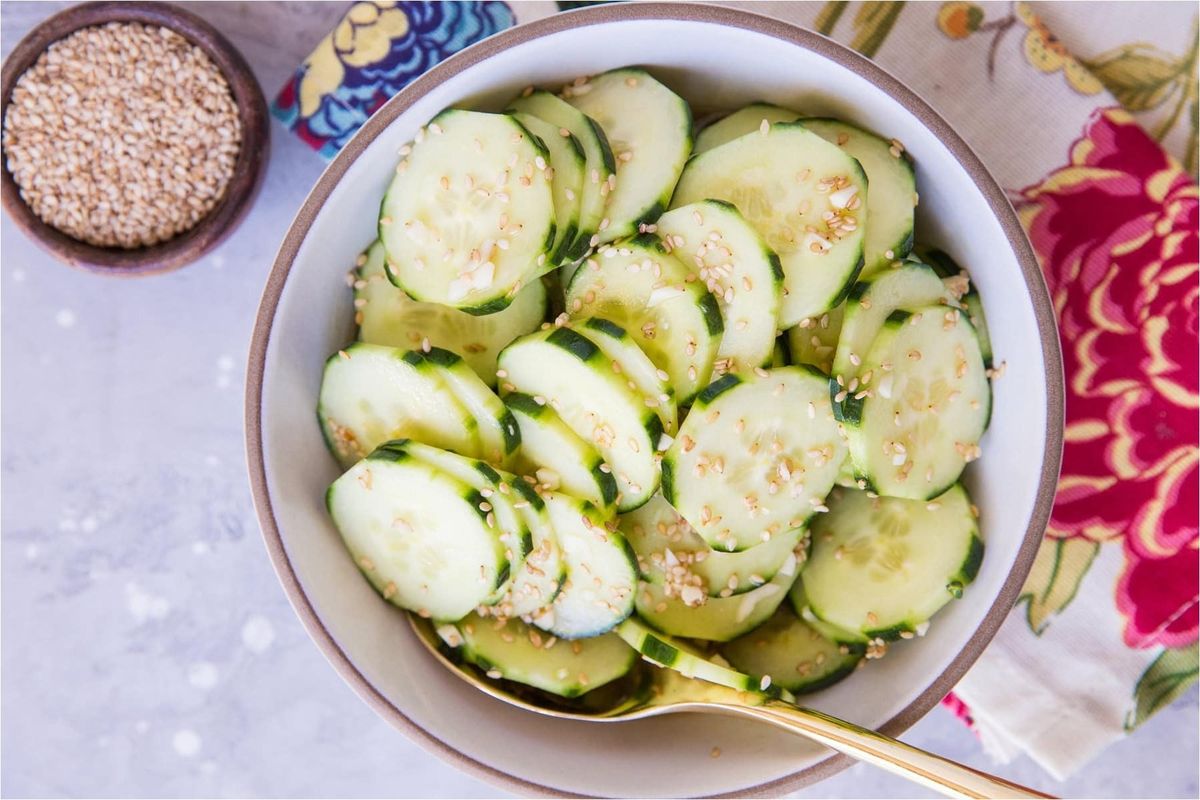
- Asian Cucumber Salad Recipe15 Minutes
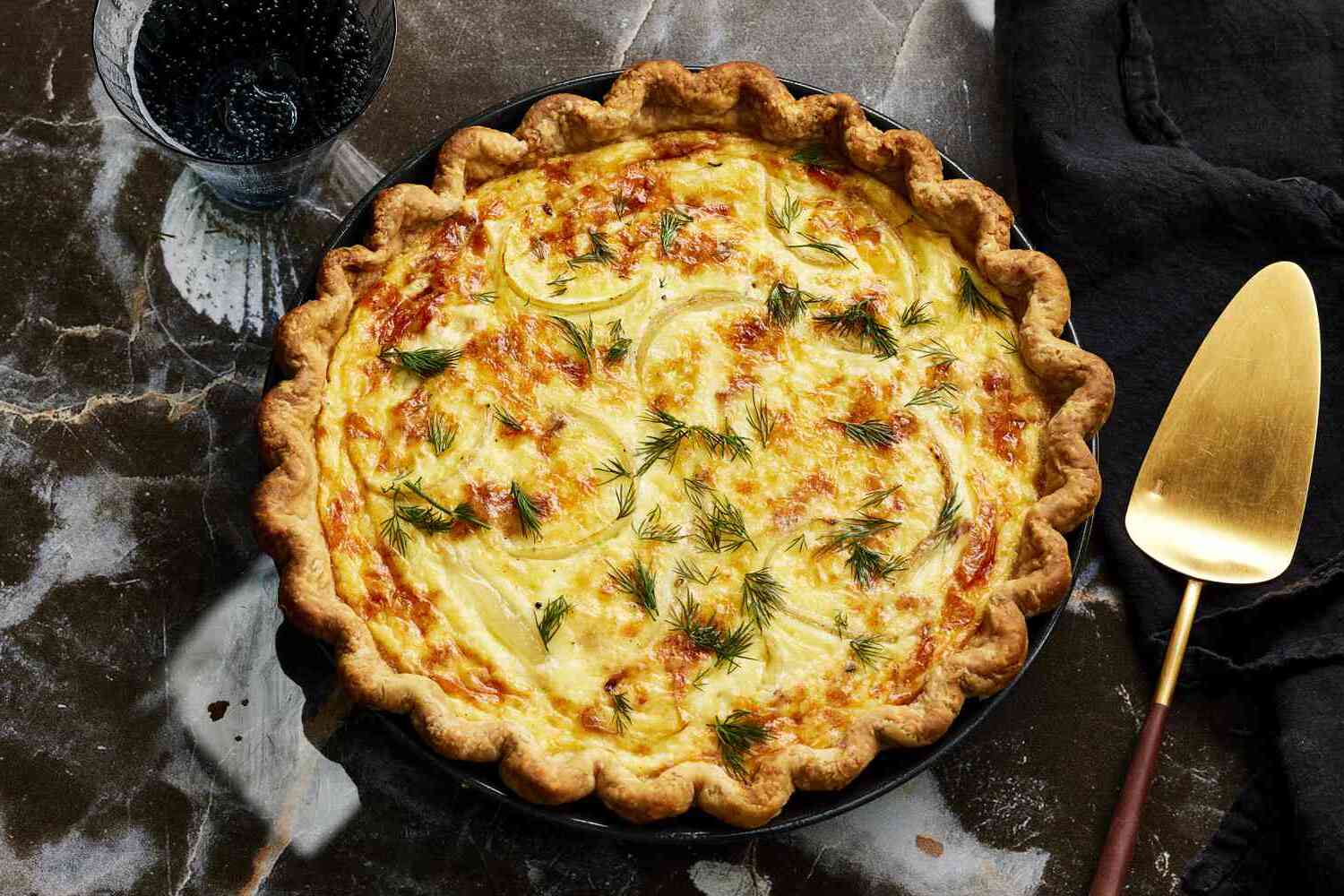
- Bacon and Cheese Quiche Recipe1 Hours
- Pan-Fried Falafel Bites Recipe25 Minutes


Leave a Reply