

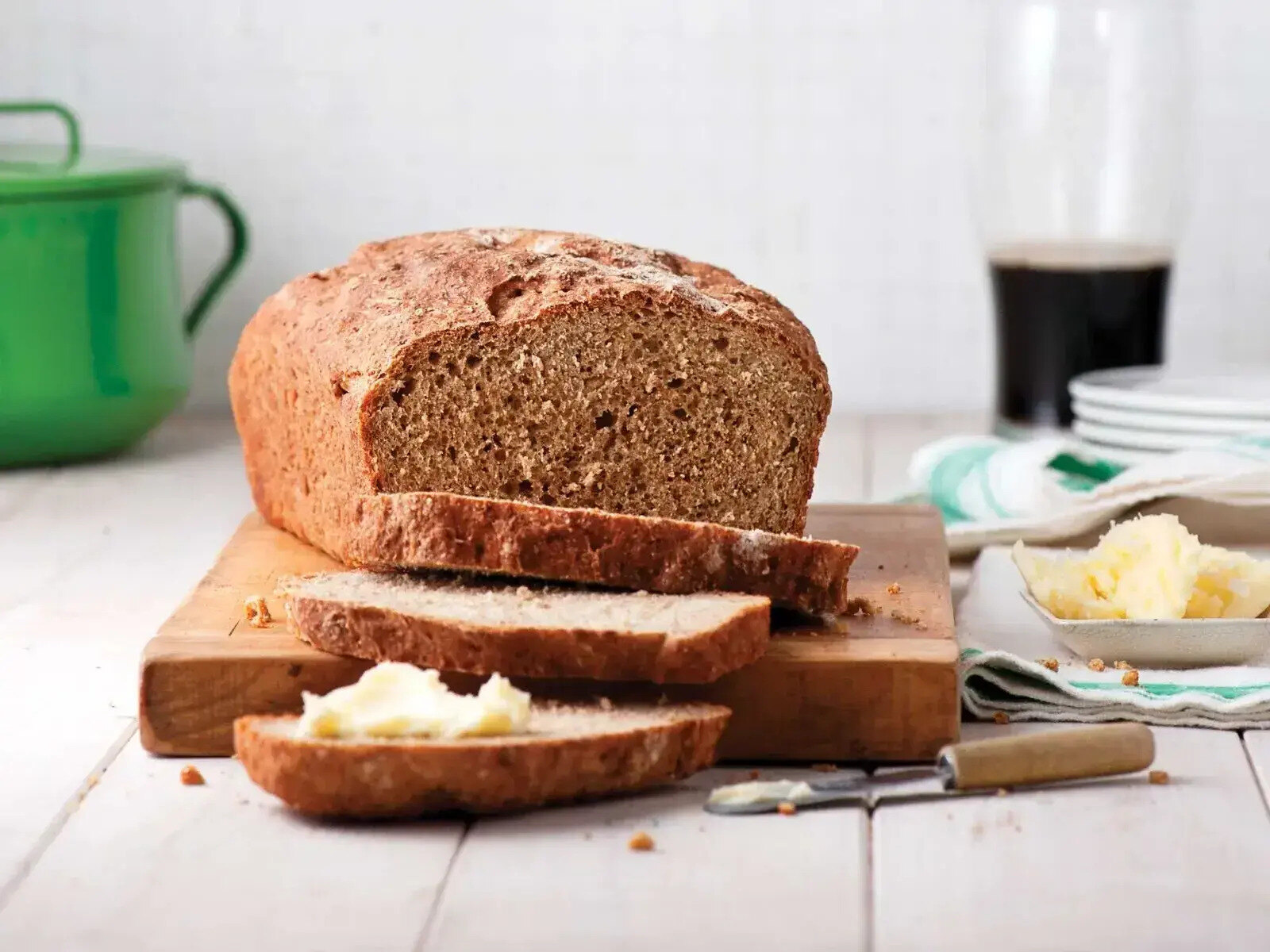
I love making this German bread recipe because it feels like a little piece of tradition right in my kitchen. The smell of fresh bread baking always makes the whole house feel cozy and warm. I think you’ll enjoy how simple it is to make and how delicious it tastes.
Most of the ingredients in this recipe are common, but you might want to pay attention to the rye flour if you haven’t used it before. It’s a bit different from regular wheat flour and gives the bread its unique flavor and texture. You can usually find rye flour in the baking aisle or sometimes in the health food section of your supermarket.
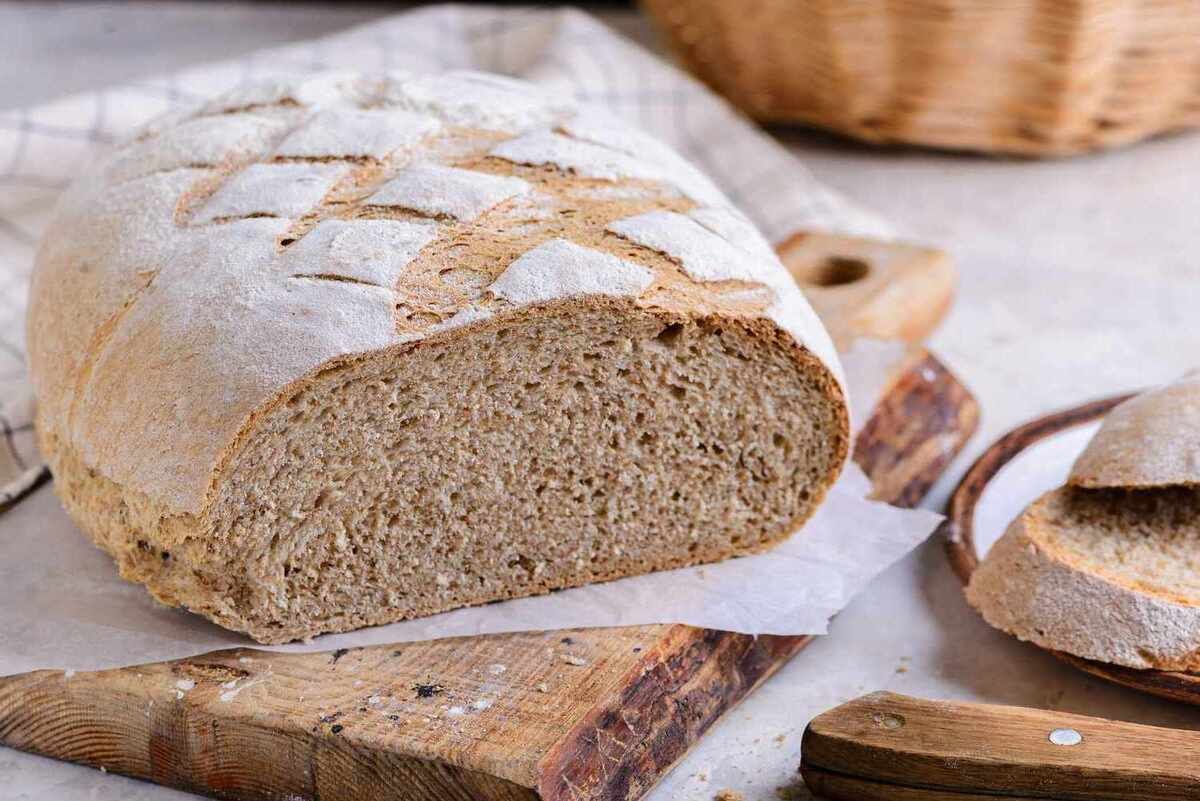
Ingredients For German Bread Recipe
Rye flour: A type of flour made from rye grain that adds a hearty flavor and dense texture to the bread.
Wheat flour: The most common flour used in baking, it helps give the bread structure and softness.
Salt: Enhances the flavor of the bread and controls yeast activity.
Yeast: A living organism that makes the dough rise by producing gas.
Lukewarm water: Helps activate the yeast and brings the dough together.
Technique Tip for This Bread
One of the most important steps in this German Bread Recipe is letting the dough rise for an hour. This step is called “proofing,” and it helps the bread get nice and fluffy inside. Here’s how to do it right:
- After you’ve mixed and kneaded your dough until it’s smooth, put it in a big bowl.
- Cover the bowl with a clean kitchen towel or plastic wrap. This keeps the dough from drying out.
- Find a warm spot in your kitchen where the dough can rest. It shouldn’t be too hot or cold—somewhere cozy, like near a sunny window or on top of the fridge, works well.
- Let it sit there for about an hour. You’ll see the dough slowly puff up and get bigger. That means the yeast is working, making bubbles inside the dough that help it rise.
Doing this step carefully makes your bread lighter and tastier because the yeast creates air pockets that give the bread a soft texture. If you skip it or rush it, the bread might turn out dense and heavy.
When I first tried this recipe, I didn’t cover the dough properly, and it formed a dry crust on top. That made it harder to shape later. Now, I always make sure to cover it well and check on it after 45 minutes to see if it’s ready. Also, if your kitchen is cold, you can warm the oven to 50°C (122°F), turn it off, and place the dough inside to rise—it’s like a cozy little bread blanket!
Taking the time to let your dough rise is like giving it a little rest before the big bake. It’s worth the wait because it makes your bread taste so much better.
Suggested Side Dishes
Alternative Ingredients
rye flour - Substitute with spelt flour: Spelt flour has a similar nutty flavor and can provide a comparable texture to rye flour in bread recipes.
wheat flour - Substitute with all-purpose flour: All-purpose flour can be used as a direct substitute for wheat flour, although it may slightly alter the bread's texture.
salt - Substitute with sea salt: Sea salt can be used in the same quantity as regular salt, offering a similar taste with a slightly different mineral content.
yeast - Substitute with sourdough starter: Sourdough starter can be used to naturally leaven bread, providing a unique flavor and texture, though it requires a longer fermentation time.
lukewarm water - Substitute with milk: Milk can be used to add richness and a softer crumb to the bread, though it may slightly change the flavor profile.
Alternative Recipes Similar to This Bread
How to Store or Freeze This Bread
Allow the freshly baked bread to cool completely on a wire rack. This prevents condensation from forming inside the storage container, which could lead to a soggy crust.
Once cooled, wrap the bread in a clean kitchen towel or a paper bag. This helps maintain the crust's delightful crunch while keeping the inside soft and moist.
For longer storage, place the wrapped bread in a bread box or a loosely closed paper bag. This allows for some airflow, preventing the bread from becoming too hard or moldy.
If you plan to enjoy the bread over a few days, slice it as needed rather than all at once. This keeps the loaf fresher for longer.
To freeze, slice the bread before freezing. This way, you can easily grab a slice or two without having to thaw the entire loaf.
Wrap the sliced bread tightly in aluminum foil or plastic wrap, ensuring there are no exposed areas. Then, place the wrapped slices in a resealable freezer bag, squeezing out as much air as possible before sealing.
Label the bag with the date of freezing. This helps you keep track of how long the bread has been stored.
When ready to enjoy, remove the desired number of slices from the freezer. Allow them to thaw at room temperature or pop them directly into a toaster or oven for a quick refresh.
For a whole loaf, thaw it in the refrigerator overnight, then warm it in the oven at a low temperature to revive its crusty exterior.
Remember, frozen bread is best consumed within three months to ensure optimal taste and texture.
How to Reheat Leftovers
Preheat your oven to 180°c (356°f). Wrap the German bread in aluminum foil to prevent it from drying out. Place it on the middle rack and heat for about 10-15 minutes. This method helps maintain the bread's crusty exterior while warming the inside.
For a quick fix, slice the bread and use a toaster. Toast each slice on a medium setting until warm and slightly crispy. This method is perfect if you're in a rush and want to enjoy a crunchy texture.
If you have a microwave, wrap the bread in a damp paper towel and place it on a microwave-safe plate. Heat on medium power for 10-20 seconds. This method is great for softening the bread but be cautious not to overheat, as it can become chewy.
For a stovetop approach, heat a skillet over medium heat. Place slices of bread directly on the skillet, flipping occasionally until both sides are warm and slightly toasted. This method adds a delightful crispness to the bread.
If you have a steam oven, use it to reheat the bread. The steam will help retain moisture, keeping the bread soft inside while warming it evenly. Set the steam oven to a low setting and heat for about 5-7 minutes.
Essential Tools for This Recipe
Mixing bowl: A large bowl used to combine the dry ingredients and later mix in the water to form the dough.
Measuring scale: Essential for accurately measuring the flour, salt, and yeast to ensure the right proportions.
Measuring jug: Used to measure the 600 ml of lukewarm water needed for the dough.
Wooden spoon: Useful for initially mixing the dry ingredients before kneading.
Kneading surface: A clean, flat surface where you can knead the dough until it becomes smooth.
Kitchen towel: Used to cover the dough while it rises, preventing it from drying out.
Baking sheet: A flat sheet where the shaped loaf is placed for baking.
Oven: Preheated to 220°C (428°F) for baking the bread to perfection.
Oven mitts: Protect your hands when placing the dough in the oven and removing the baked bread.
Cooling rack: Allows the bread to cool evenly after baking, preventing it from becoming soggy.
How to Save Time on This Recipe
Prepare ingredients in advance: Measure and mix all dry ingredients the night before to streamline the process.
Use a stand mixer: Knead the dough with a stand mixer to save time and effort.
Warm environment for rising: Place the dough in a warm spot to speed up the rising process.
Preheat the oven early: Start preheating the oven while the dough is rising to save time.
Shape with precision: Quickly shape the dough into a loaf using a bench scraper for efficiency.
German Bread Recipe
Ingredients
Main Ingredients
- 500 g Rye flour
- 500 g Wheat flour
- 15 g Salt
- 10 g Yeast
- 600 ml Water lukewarm
Instructions
- Mix all dry ingredients in a large bowl.
- Add lukewarm water and knead the dough until smooth.
- Let the dough rise for 1 hour.
- Preheat the oven to 220°C (428°F).
- Shape the dough into a loaf and place it on a baking sheet.
- Bake for 45 minutes or until the bread sounds hollow when tapped.
Nutritional Value
Keywords
More Amazing Recipes to Try 🙂
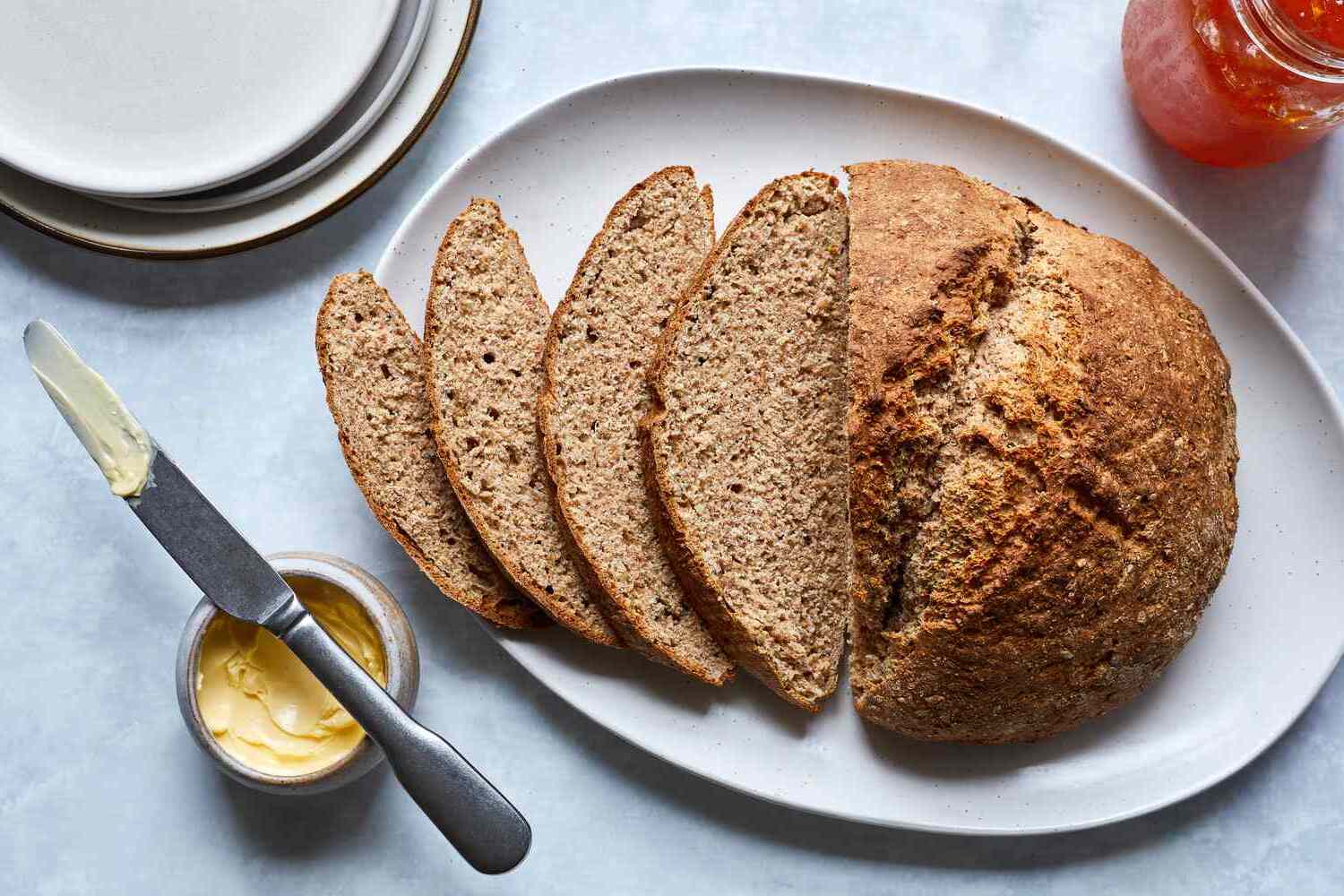
- Irish Wheaten Bread Recipe55 Minutes
- Ham Bone and Vegetable Soup Recipe2 Hours 15 Minutes
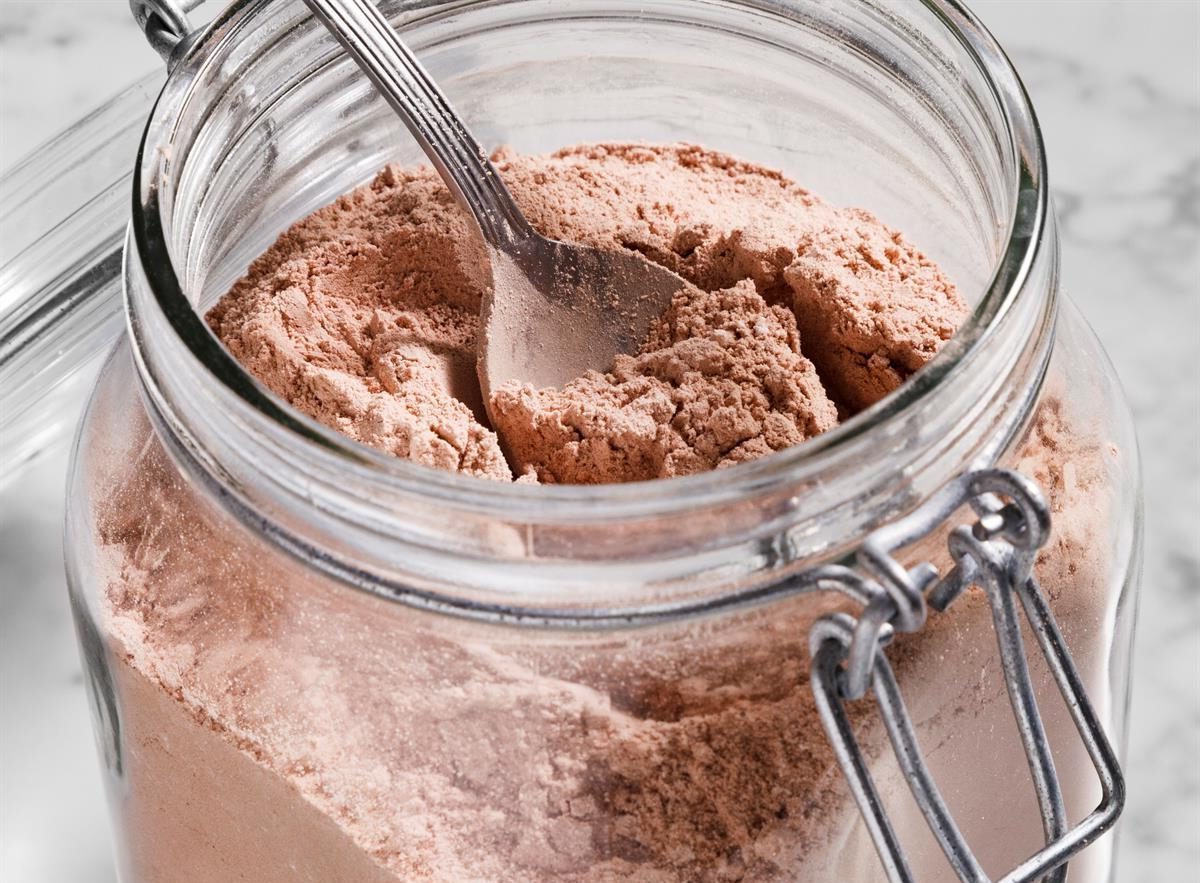
- Hot Cocoa Mix Recipe10 Minutes
- Simple Syrup Recipe10 Minutes
- Cauliflower Soup Recipe30 Minutes
- Gluten-Free Chicken Soup Recipe45 Minutes
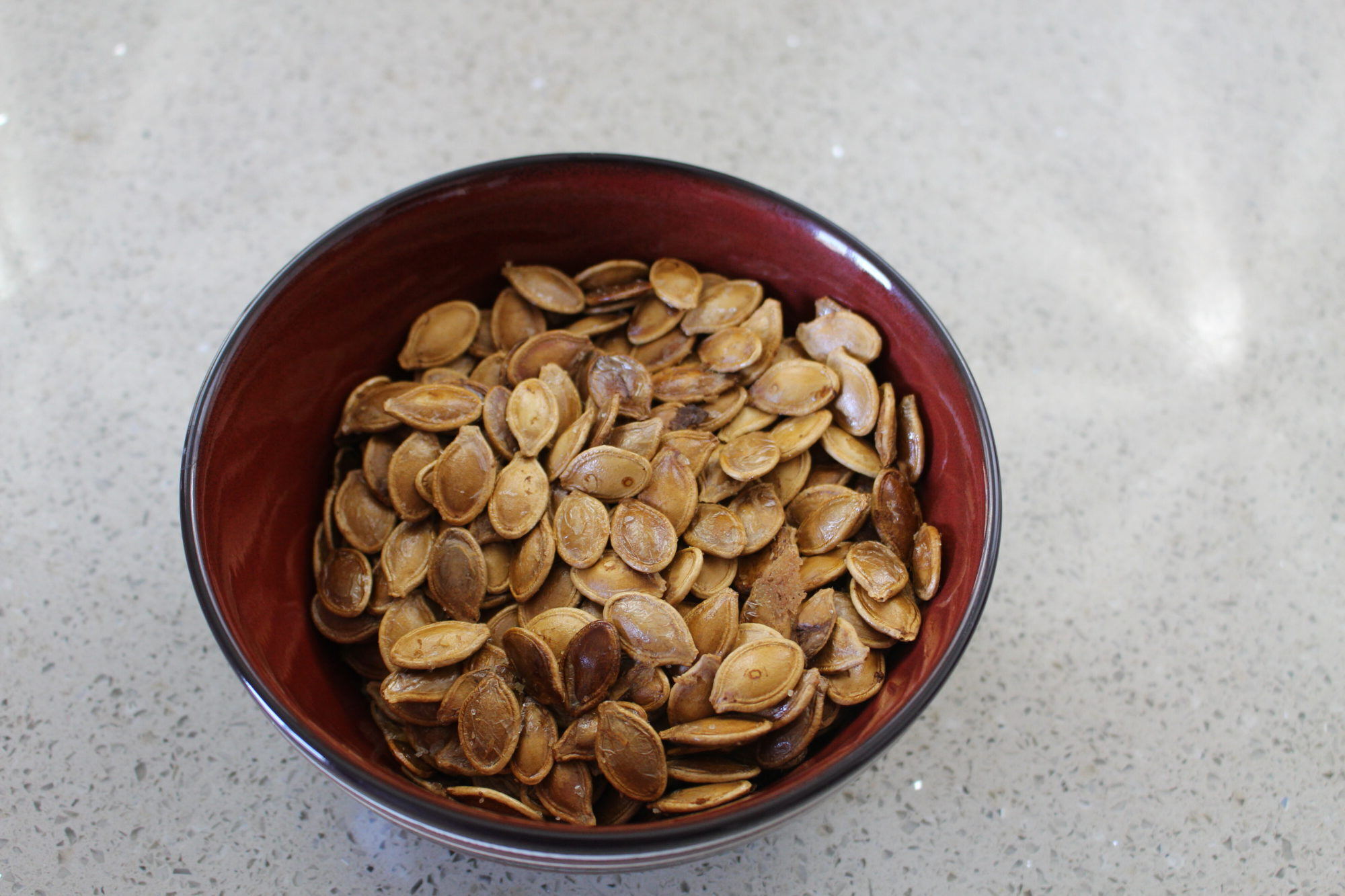
- Toasted Pumpkin Seeds Recipe30 Minutes
- Doughnuts Recipe35 Minutes






Leave a Reply