
I love making this salmon chowder because it feels like a warm hug on a chilly day. The creamy texture and tender chunks of salmon make it a comforting meal that’s perfect for sharing with family or friends. I can’t wait for you to try it and enjoy every spoonful as much as I do.
Most of the ingredients in this recipe are easy to find, but fish stock might not be something you have at home. If you don’t see it at the supermarket, you can sometimes find it near the soup or seafood sections, or you can use vegetable or chicken stock as a substitute. Also, fresh salmon is best for this chowder, so look for a nice fillet without the skin for the best results.
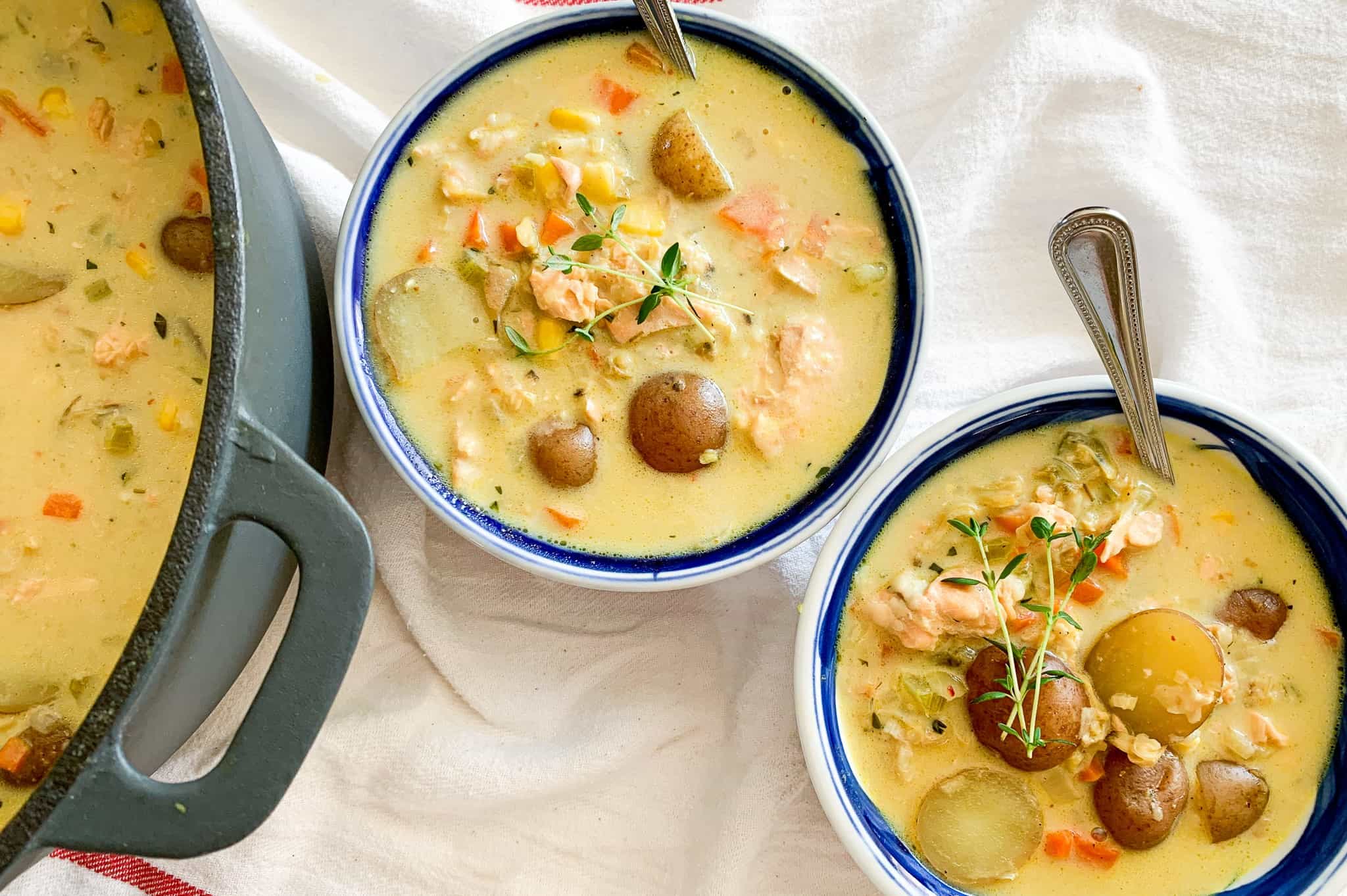
Ingredients for Salmon Chowder Recipe
Salmon fillet: Fresh salmon without skin, cut into chunks for tender bites.
Fish stock: A flavorful liquid base made from fish, giving the chowder its rich taste.
Heavy cream: Adds creaminess and smooth texture to the chowder.
Potatoes: Diced potatoes add heartiness and help thicken the soup.
Carrots: Diced carrots bring a touch of sweetness and color.
Celery: Adds a mild, fresh flavor and crunch.
Onion: Provides a savory base flavor when cooked.
Butter: Used to sauté the vegetables and add richness.
All-purpose flour: Helps thicken the chowder.
Salt: Enhances all the flavors in the dish.
Black pepper: Adds a little bit of spice and depth.
Technique Tip for This Recipe
One of the most helpful steps in this Salmon Chowder Recipe is stirring in the flour after cooking the vegetables. This little trick helps make the soup thick and creamy without any lumps. Here’s how you do it:
- After your butter has melted and the onion, carrots, and celery are soft, sprinkle the flour evenly over the vegetables.
- Stir it constantly for about two minutes. This cooks the flour just enough so it won’t taste raw.
- When you add the fish stock next, keep stirring as you pour it in slowly. This stops lumps from forming and helps the soup get smooth.
Doing this makes the chowder thicker and richer, which is exactly what you want for a cozy bowl of soup. If you skip this step or don’t stir enough, you might end up with little clumps of flour in your chowder, and that’s no fun to eat.
I remember the first time I tried this, I didn’t stir the flour long enough and got a few lumps. It was a bit disappointing, but once I got the hang of stirring constantly, the chowder turned out smooth and creamy every time. A little patience here really pays off! Also, if you want to save time, you can mix the flour with a tiny bit of cold fish stock first to make a paste before adding it to the pot—this helps avoid lumps too.
So, take your time with this step, and your Salmon Chowder will be extra tasty and silky, just like it should be.
Suggested Side Dishes
Alternative Ingredients
Salmon fillet - Substitute with cod fillet: Cod has a mild flavor and flaky texture similar to salmon, making it a suitable alternative in chowder.
Fish stock - Substitute with vegetable broth: Vegetable broth provides a savory base without overpowering the dish, suitable for those avoiding fish.
Heavy cream - Substitute with coconut milk: Coconut milk offers a creamy texture and rich flavor, making it a good dairy-free option.
Diced potatoes - Substitute with cauliflower florets: Cauliflower provides a similar texture and can absorb flavors well, suitable for a low-carb alternative.
Diced carrots - Substitute with parsnips: Parsnips have a sweet, earthy flavor similar to carrots and can add depth to the chowder.
Diced celery - Substitute with fennel: Fennel offers a subtle anise flavor and similar crunch, adding a unique twist to the dish.
Diced onion - Substitute with leeks: Leeks provide a milder onion flavor and a soft texture, enhancing the soup's aroma.
Butter - Substitute with olive oil: Olive oil offers a healthier fat option and a subtle flavor that complements the chowder.
All-purpose flour - Substitute with cornstarch: Cornstarch is a gluten-free thickening agent that can provide a similar consistency to flour.
Salt - Substitute with soy sauce: Soy sauce can add a salty, umami flavor, enhancing the depth of the chowder.
Black pepper - Substitute with white pepper: White pepper offers a milder heat and a slightly different flavor profile, maintaining the spice level.
Other Alternative Recipes Similar to This Dish
How to Store or Freeze This Dish
Allow the salmon chowder to cool to room temperature. This prevents condensation from forming inside the storage container, which can dilute the flavors.
Transfer the chowder into airtight containers. Choose containers that are just the right size to minimize the amount of air inside, which helps preserve the chowder's freshness.
For short-term storage, place the containers in the refrigerator. The salmon chowder will stay fresh for up to 3 days. Make sure to label the containers with the date to keep track of freshness.
For longer storage, consider freezing the chowder. Pour the chowder into freezer-safe containers or heavy-duty freezer bags. Leave some space at the top to allow for expansion as the chowder freezes.
If using freezer bags, lay them flat in the freezer until solid. This method saves space and allows for quicker thawing.
To reheat, thaw the chowder in the refrigerator overnight if frozen. Gently reheat on the stove over low heat, stirring occasionally to maintain the creamy texture. Avoid boiling, as this can cause the cream to separate.
If the chowder appears too thick after reheating, add a splash of fish stock or cream to reach the desired consistency.
Taste and adjust the seasoning with salt and black pepper before serving, as flavors can mellow during storage.
How to Reheat Leftovers
Gently reheat on the stovetop: Pour the leftover salmon chowder into a saucepan. Over low to medium heat, stir occasionally to ensure even warming. Be patient; you want to avoid boiling, which can cause the cream to separate. Once it's steaming and heated through, it's ready to serve.
Microwave with care: Transfer a portion of the chowder into a microwave-safe bowl. Cover it with a microwave-safe lid or wrap, leaving a small vent for steam to escape. Heat on medium power in 1-minute intervals, stirring in between, until it's hot throughout. This method is quick but requires attention to avoid overheating.
Oven method for a gentle touch: Preheat your oven to 300°F (150°C). Place the chowder in an oven-safe dish, cover with foil, and heat for about 20-30 minutes. Stir halfway through to ensure even heating. This method is perfect if you're reheating a larger batch and want to maintain the chowder's creamy texture.
Double boiler technique for a delicate approach: Fill a pot with water and bring it to a simmer. Place a heatproof bowl with the chowder over the pot, ensuring the bottom of the bowl doesn't touch the water. Stir occasionally until the chowder is heated through. This method is gentle and helps prevent the cream from curdling.
Essential Tools for This Recipe
Large pot: A large pot is essential for cooking the chowder, allowing enough space for all the ingredients to simmer together.
Wooden spoon: A wooden spoon is perfect for stirring the vegetables and ensuring the flour is well incorporated without scratching the pot.
Measuring cups: Use measuring cups to accurately measure the fish stock, heavy cream, and diced vegetables to maintain the recipe's balance.
Knife: A knife is necessary for dicing the salmon, potatoes, carrots, celery, and onion into uniform pieces.
Cutting board: A cutting board provides a stable surface for safely chopping all the vegetables and salmon.
Whisk: A whisk helps in stirring the flour into the butter, ensuring a smooth mixture without lumps.
Ladle: Use a ladle to serve the chowder into bowls, making it easy to portion out the soup.
Peeler: A peeler is useful for peeling the potatoes and carrots before dicing them.
How to Save Time on Making This Recipe
Prep ingredients in advance: Dice potatoes, carrots, celery, and onion the night before and store them in airtight containers in the fridge.
Use pre-made stock: Opt for store-bought fish stock to save time on making it from scratch.
Simultaneous cooking: While the vegetables are sautéing, measure out the heavy cream and cut the salmon into chunks.
Quick thickening: Mix flour with a bit of stock before adding to the pot to prevent lumps.
One-pot method: Use a large pot to minimize cleanup and streamline the cooking process.
Salmon Chowder Recipe
Ingredients
Main Ingredients
- 1 lb salmon fillet skin removed, cut into chunks
- 4 cups fish stock
- 2 cups heavy cream
- 1 cup diced potatoes
- 1 cup diced carrots
- 1 cup diced celery
- 1 medium onion diced
- 2 tablespoon butter
- 2 tablespoon all-purpose flour
- 1 teaspoon salt to taste
- 1 teaspoon black pepper to taste
Instructions
- 1. In a large pot, melt the butter over medium heat. Add the diced onion, carrots, and celery. Cook until the vegetables are tender, about 5 minutes.
- 2. Stir in the flour and cook for another 2 minutes, stirring constantly.
- 3. Gradually add the fish stock, stirring constantly to avoid lumps. Bring to a boil.
- 4. Add the diced potatoes and cook until tender, about 10 minutes.
- 5. Reduce the heat to low and stir in the heavy cream. Add the salmon chunks and cook until the salmon is just cooked through, about 5 minutes.
- 6. Season with salt and black pepper to taste. Serve hot.
Nutritional Value
Keywords
Suggested Appetizers and Desserts
More Amazing Recipes to Try 🙂
- Peanut Butter Loaf Recipe1 Hours 15 Minutes
- Strawberry Glaze Recipe15 Minutes
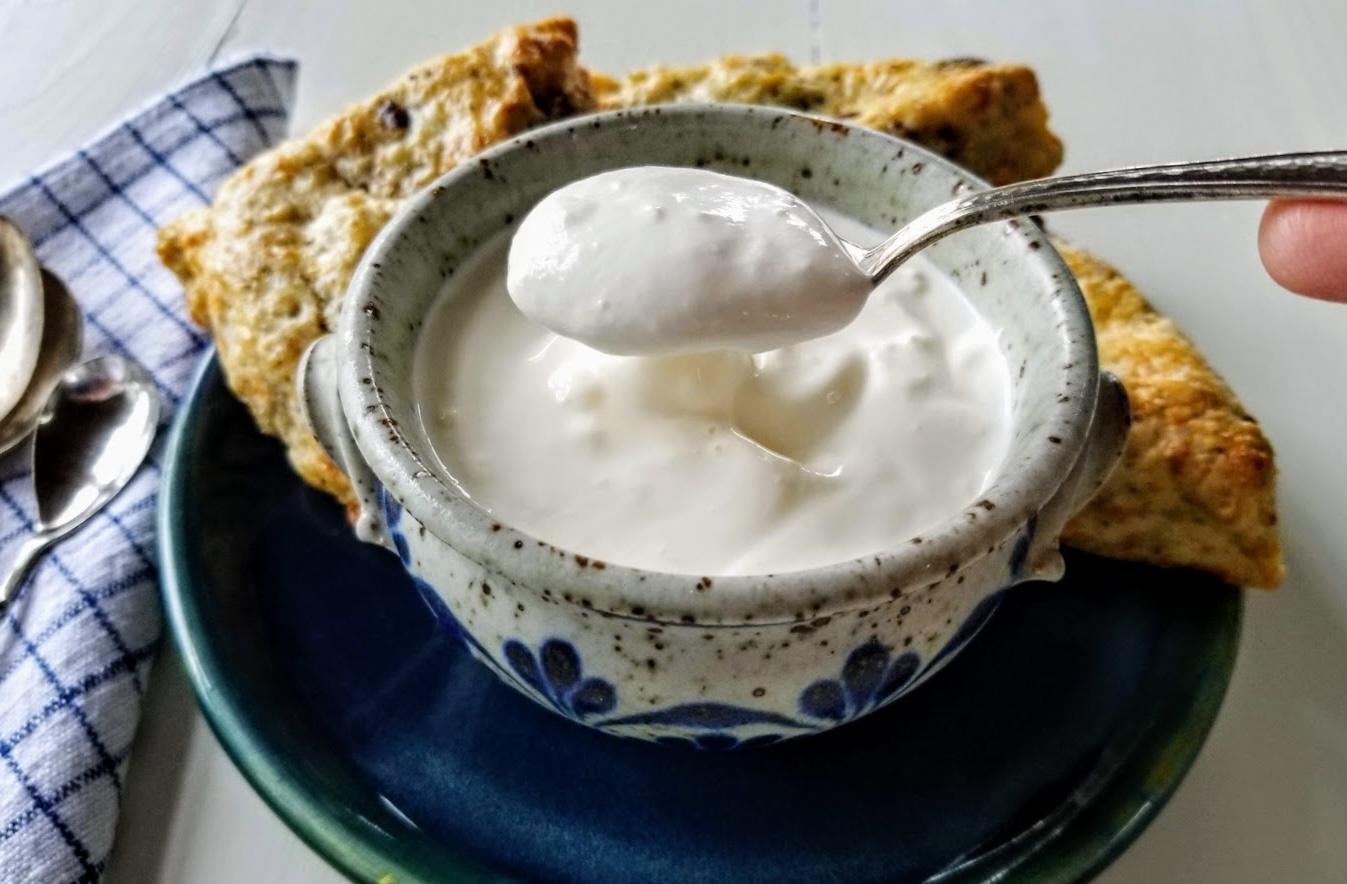
- Creme Fraiche Recipe24 Hours 5 Minutes
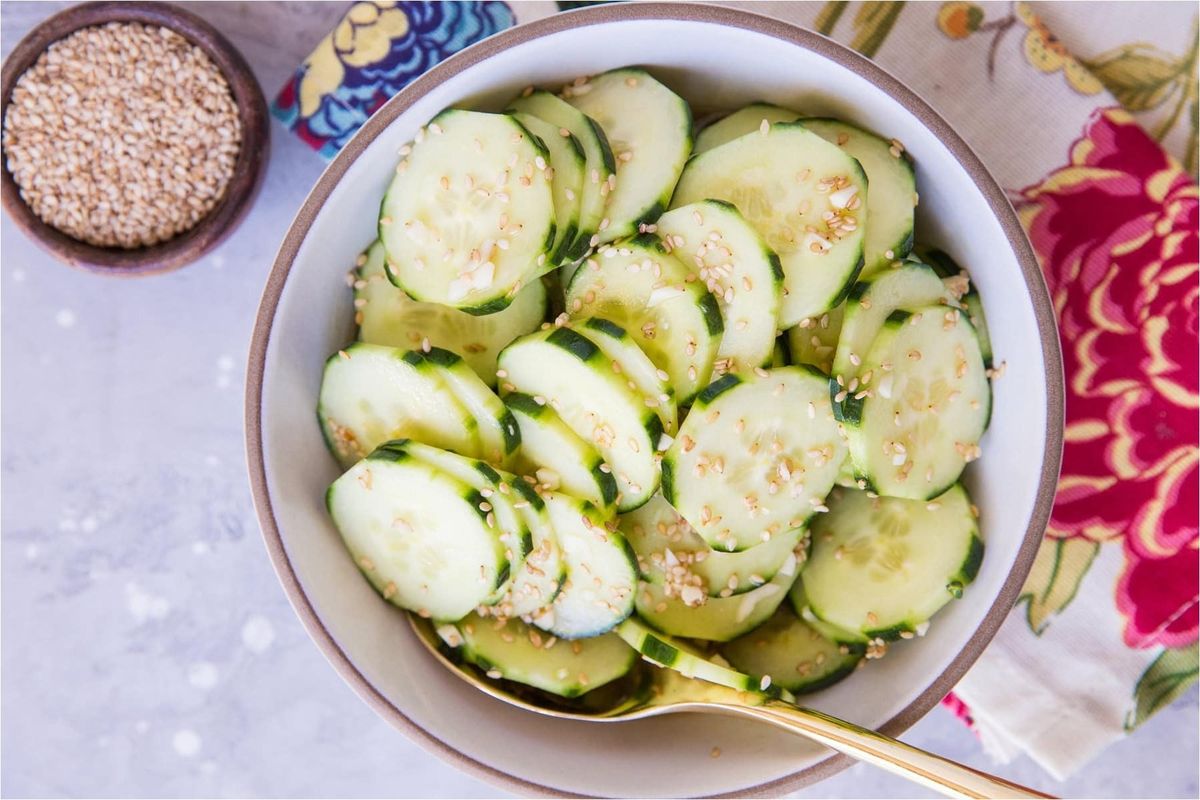
- Asian Cucumber Salad Recipe15 Minutes
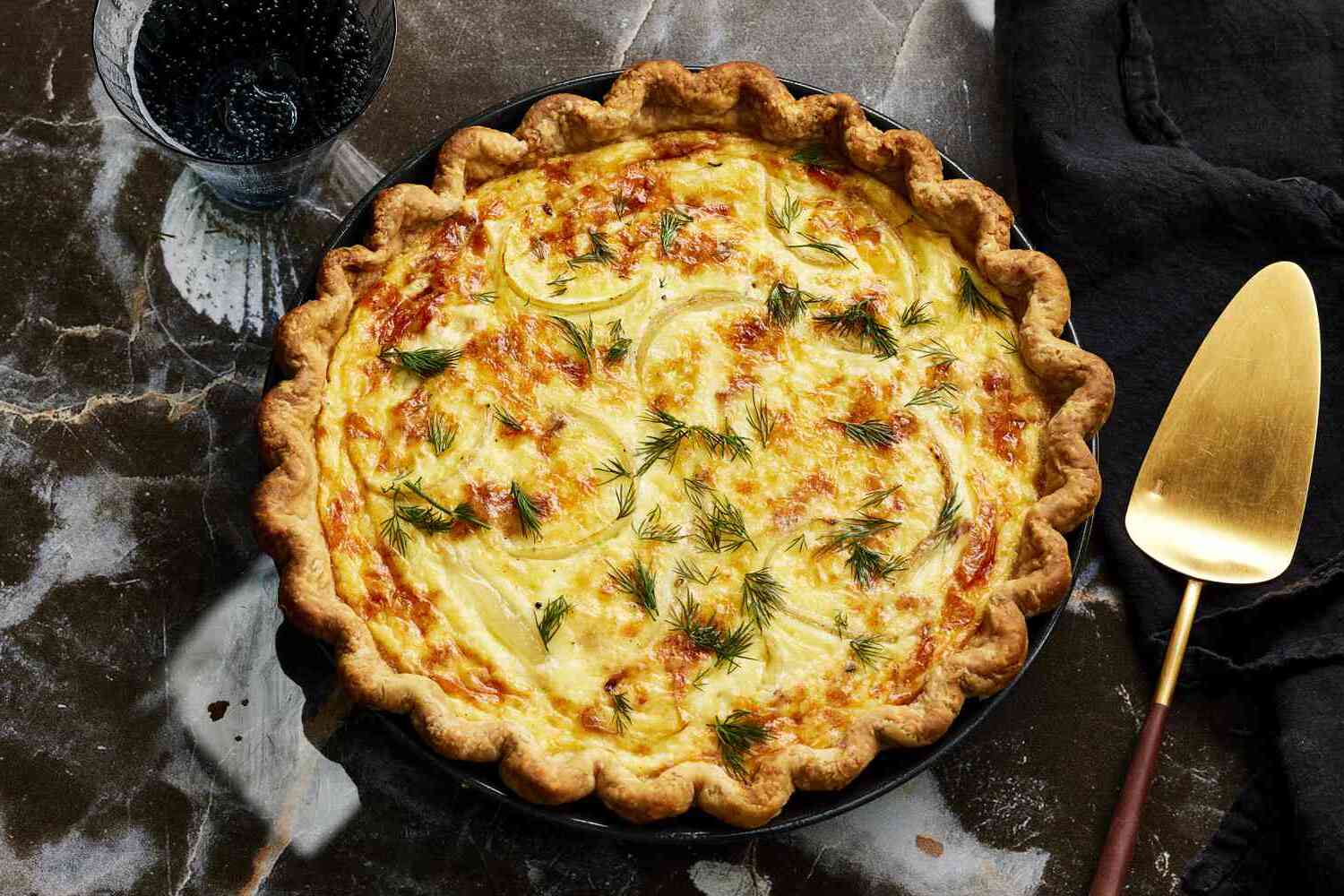
- Bacon and Cheese Quiche Recipe1 Hours
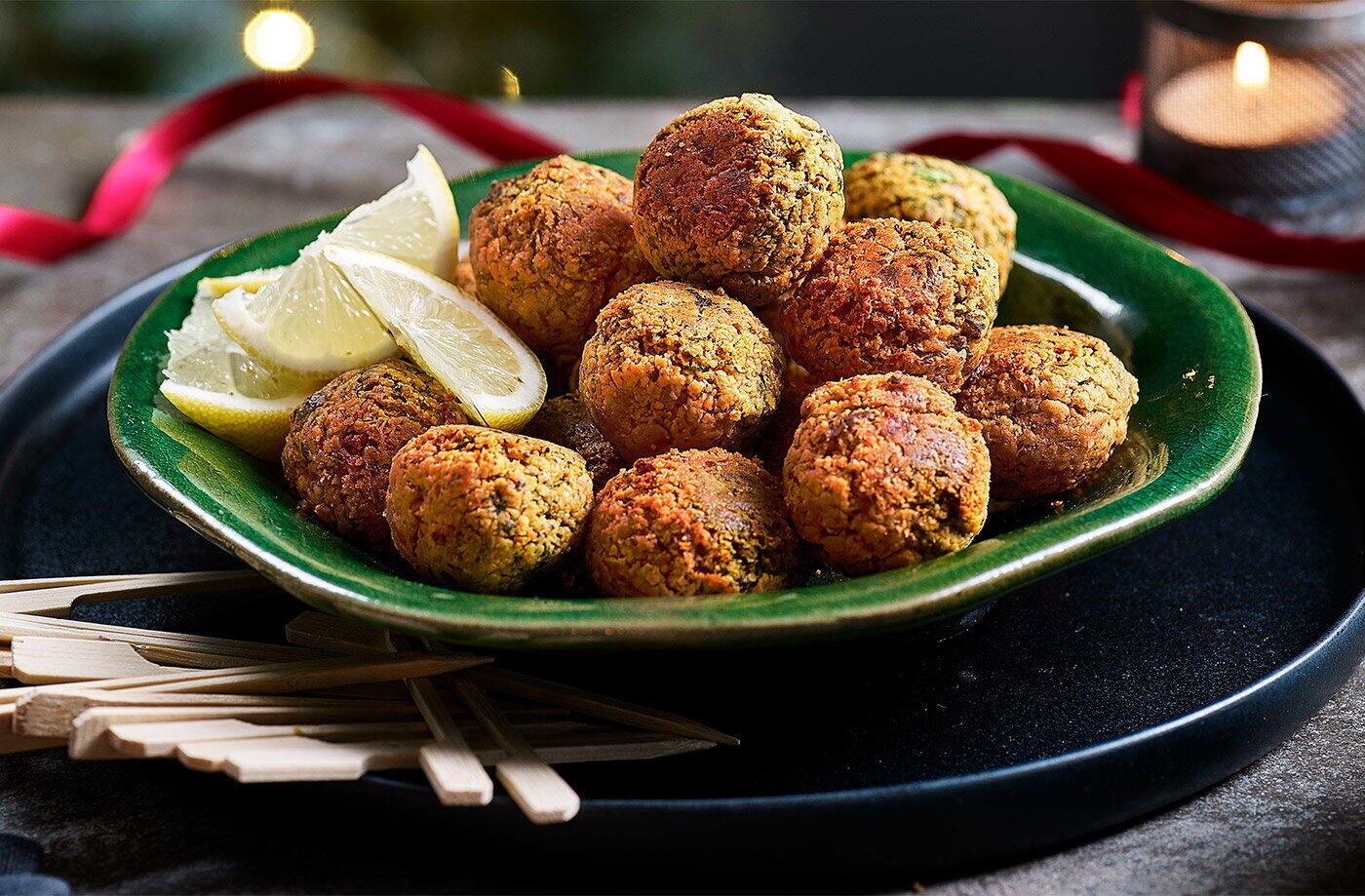
- Pan-Fried Falafel Bites Recipe25 Minutes
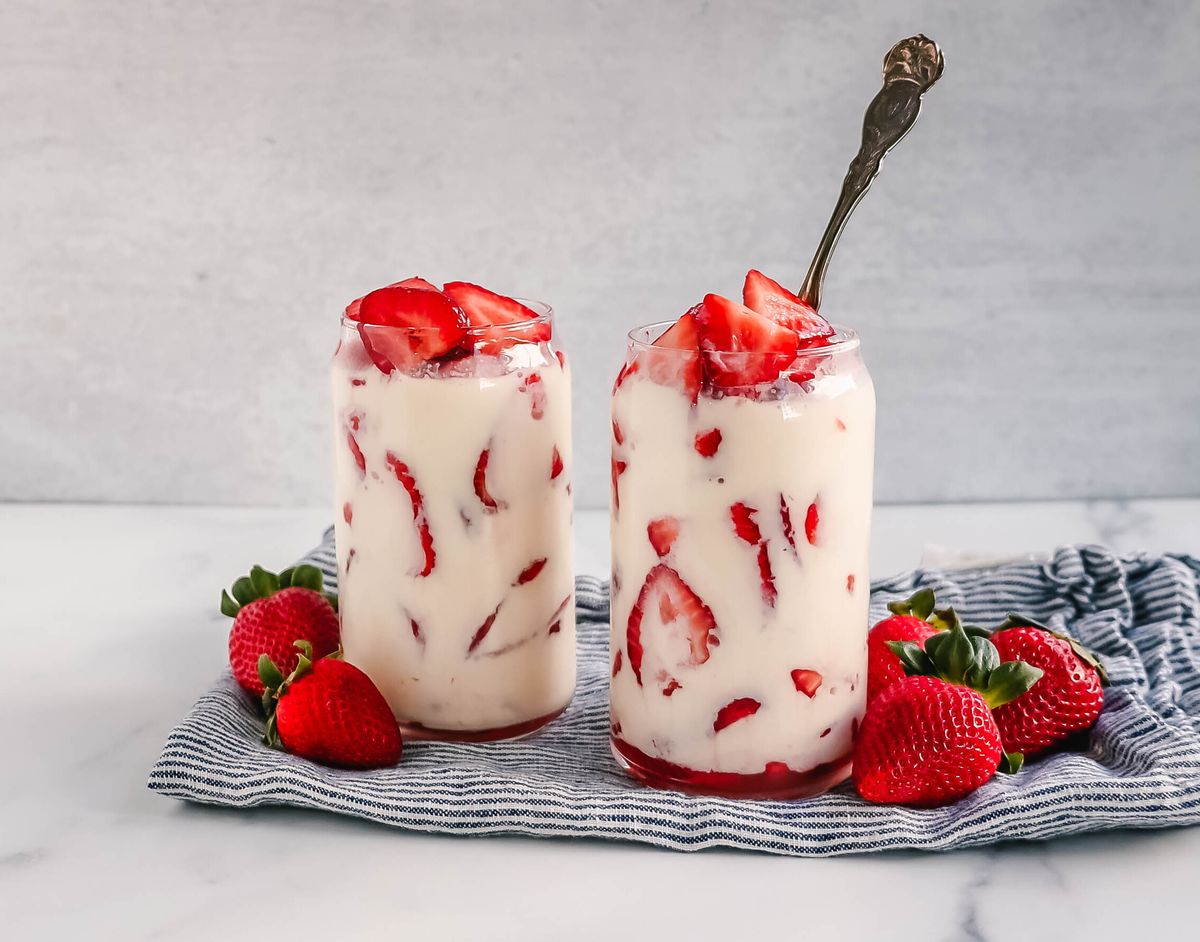
- Fresas con Crema Recipe10 Minutes
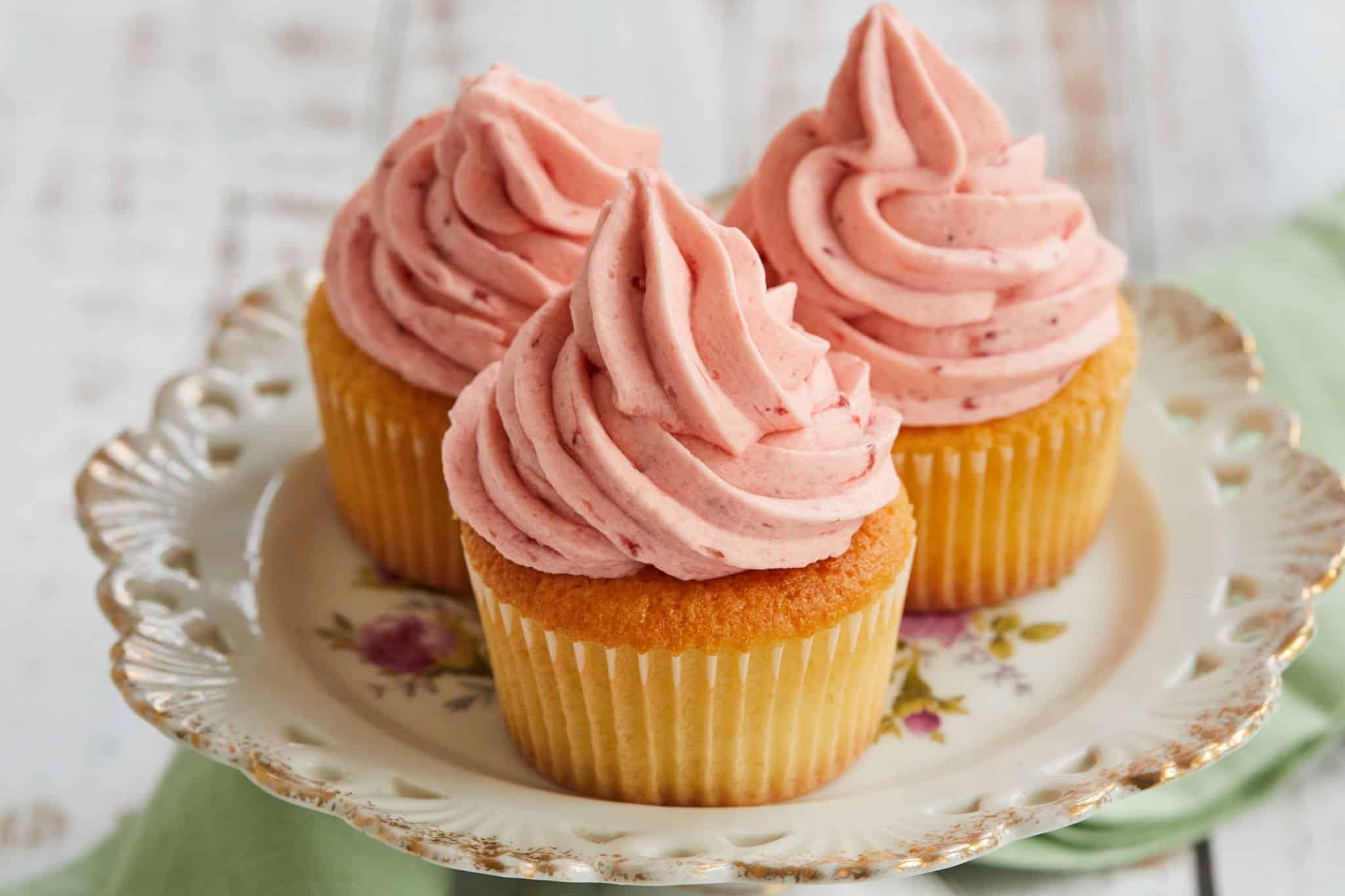
- Strawberry Frosting Recipe15 Minutes
Leave a Reply