
I love sharing recipes that bring a little extra flavor to everyday meals, and this dukkah recipe is one of my favorites. It’s a simple mix of nuts and spices that adds a crunchy, tasty twist to bread, veggies, or even eggs. Scroll down to see how easy it is to make your own at home!
Some of the ingredients in this recipe, like coriander seeds, cumin seeds, and fennel seeds, might not be in every kitchen. When you go to the supermarket, check the spice aisle or the section with whole spices. Toasting these seeds before grinding brings out their best flavors, so don’t skip that step!
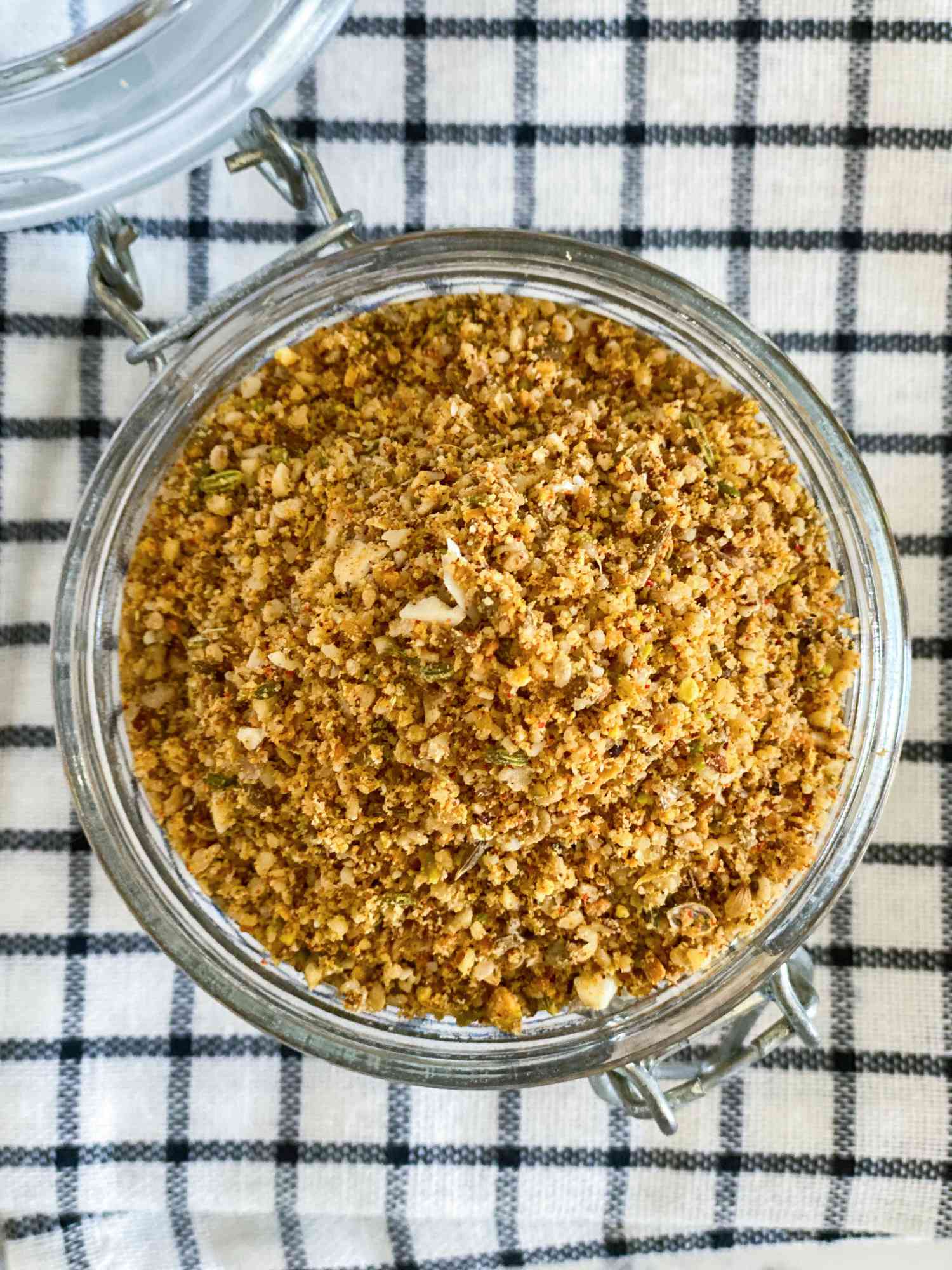
Ingredients for Dukkah Recipe
Toasted hazelnuts: These add a rich, nutty crunch and are the base of the mix.
Toasted sesame seeds: Small but full of flavor, they give a nice texture and a slightly nutty taste.
Toasted coriander seeds: These seeds have a warm, citrusy flavor that brightens the mix.
Toasted cumin seeds: Earthy and slightly spicy, cumin adds depth to the dukkah.
Toasted fennel seeds: Sweet and aromatic, fennel seeds bring a subtle licorice note.
Toasted black peppercorns: These add a sharp, spicy kick to balance the flavors.
Salt: Enhances all the flavors and ties everything together.
Technique Tip for This Recipe
To get the best flavor from your toasted hazelnuts and seeds, it’s really helpful to toast them slowly and carefully in a skillet. Here’s how you can do it without burning anything:
- Heat your skillet over medium heat. You want it warm enough to toast but not so hot that things burn quickly.
- Add the hazelnuts first and stir them often. Keep moving them around so they brown evenly on all sides.
- Watch closely for a golden color and a nutty smell—that’s your signal to take them off the heat.
- Let them cool completely before you do anything else. This helps them crisp up and makes them easier to grind.
- Use the same skillet for the sesame seeds, coriander seeds, cumin seeds, fennel seeds, and black peppercorns. Toast these just until you can really smell their aroma—usually a minute or two.
- Again, let them cool before mixing everything together.
Taking your time with toasting makes a big difference because it brings out the natural oils and flavors in the nuts and spices. If you rush or use too high heat, you might end up with a bitter taste or burnt bits, which nobody wants.
When I first made this dukkah, I got impatient and turned the heat up too high. The hazelnuts burned on one side, and the whole batch tasted off. Now, I always keep the heat medium and stir constantly. It’s a little extra work, but the flavor is so much better—and it smells amazing while you’re cooking! Plus, using the same skillet for all the toasting means fewer dishes to wash, which is a nice bonus.
Suggested Side Dishes
Alternative Ingredients
toasted hazelnuts - Substitute with toasted almonds: Almonds have a similar crunch and a slightly sweet flavor that complements the spice blend well.
toasted sesame seeds - Substitute with toasted sunflower seeds: Sunflower seeds provide a similar nutty flavor and texture, making them a good alternative.
toasted coriander seeds - Substitute with toasted caraway seeds: Caraway seeds have a warm, earthy flavor that can mimic the taste of coriander seeds.
toasted cumin seeds - Substitute with toasted caraway seeds: Caraway seeds also have a slightly nutty and peppery flavor, which can stand in for cumin seeds.
toasted fennel seeds - Substitute with toasted anise seeds: Anise seeds have a similar licorice-like flavor, making them a suitable replacement for fennel seeds.
toasted black peppercorns - Substitute with toasted white peppercorns: White peppercorns offer a similar heat and pungency, though they are slightly milder in flavor.
salt - Substitute with soy sauce powder: Soy sauce powder can add a salty and umami flavor, providing a unique twist to the spice blend.
Alternative Recipes to Try
How to Store or Freeze
- Allow the freshly made dukkah to cool completely before storing. This ensures that any residual heat doesn't create condensation, which could affect the texture and flavor.
- Transfer the dukkah into an airtight container. Glass jars with tight-fitting lids or resealable plastic bags work perfectly to maintain freshness.
- Store the container in a cool, dark place, such as a pantry or cupboard, away from direct sunlight and heat sources. This helps preserve the aromatic oils in the spices and nuts.
- For longer storage, consider refrigerating the dukkah. The cool temperature will help extend its shelf life, keeping it fresh for up to six months.
- If you prefer to freeze the dukkah, portion it into smaller, airtight containers or resealable freezer bags. This way, you can thaw only what you need without exposing the entire batch to air.
- Label the containers with the date of preparation. This helps you keep track of its freshness and ensures you use it within the optimal time frame.
- When ready to use, allow the dukkah to come to room temperature. This will help restore its full flavor and aroma, making it a delightful addition to your vegetables, meat, or even sprinkled over soups and desserts.
How to Reheat Leftovers
- Gently warm the dukkah in a dry skillet over medium-low heat. Stir frequently to ensure even heating and to revive the aromas of the spices.
- Spread the dukkah on a baking sheet and place it in a preheated oven at 300°F (150°C) for about 5 minutes. Keep an eye on it to prevent burning.
- Microwave the dukkah in a microwave-safe bowl on low power for 30-second intervals, stirring in between, until it is warmed through.
Best Tools for This Recipe
Skillet: A flat-bottomed pan used for toasting the hazelnuts and various seeds to bring out their flavors.
Food processor: An electric kitchen appliance used to pulse and coarsely grind the toasted ingredients into a coarse mixture.
Spatula: A tool used to stir and turn the hazelnuts and seeds while toasting to ensure even browning.
Measuring cups: Used to accurately measure the quantities of hazelnuts and sesame seeds.
Measuring spoons: Used to measure the smaller quantities of coriander seeds, cumin seeds, fennel seeds, black peppercorns, and salt.
Airtight container: A storage container that keeps the dukkah fresh by preventing air and moisture from getting in.
Cooling rack: A wire rack used to cool the toasted hazelnuts and seeds evenly after toasting.
How to Save Time on This Recipe
Pre-toast in bulk: Toast larger batches of hazelnuts, sesame seeds, and spices ahead of time and store them in airtight containers for quick assembly later.
Use a spice grinder: Instead of a food processor, use a spice grinder for faster and more even grinding.
Pre-measure ingredients: Measure out all your ingredients before starting to streamline the process.
Store in portions: Divide the finished dukkah into smaller portions and store them separately to use as needed.
Multi-task: Toast the seeds and nuts simultaneously in different pans to save time.
Dukkah Recipe
Ingredients
Main Ingredients
- ½ cup Hazelnuts toasted
- ¼ cup Sesame Seeds toasted
- 2 tablespoon Coriander Seeds toasted
- 2 tablespoon Cumin Seeds toasted
- 1 teaspoon Fennel Seeds toasted
- 1 teaspoon Black Peppercorns toasted
- 1 teaspoon Salt
Instructions
- 1. Toast hazelnuts in a skillet over medium heat until golden brown. Let cool.
- 2. Toast sesame seeds, coriander seeds, cumin seeds, fennel seeds, and black peppercorns in the same skillet until fragrant. Let cool.
- 3. Combine all ingredients in a food processor and pulse until coarsely ground.
- 4. Add salt and mix well. Store in an airtight container.
Nutritional Value
Keywords
Suggested Main Courses and Desserts
More Amazing Recipes to Try 🙂
- Cold Chicken Macaroni Salad Recipe25 Minutes
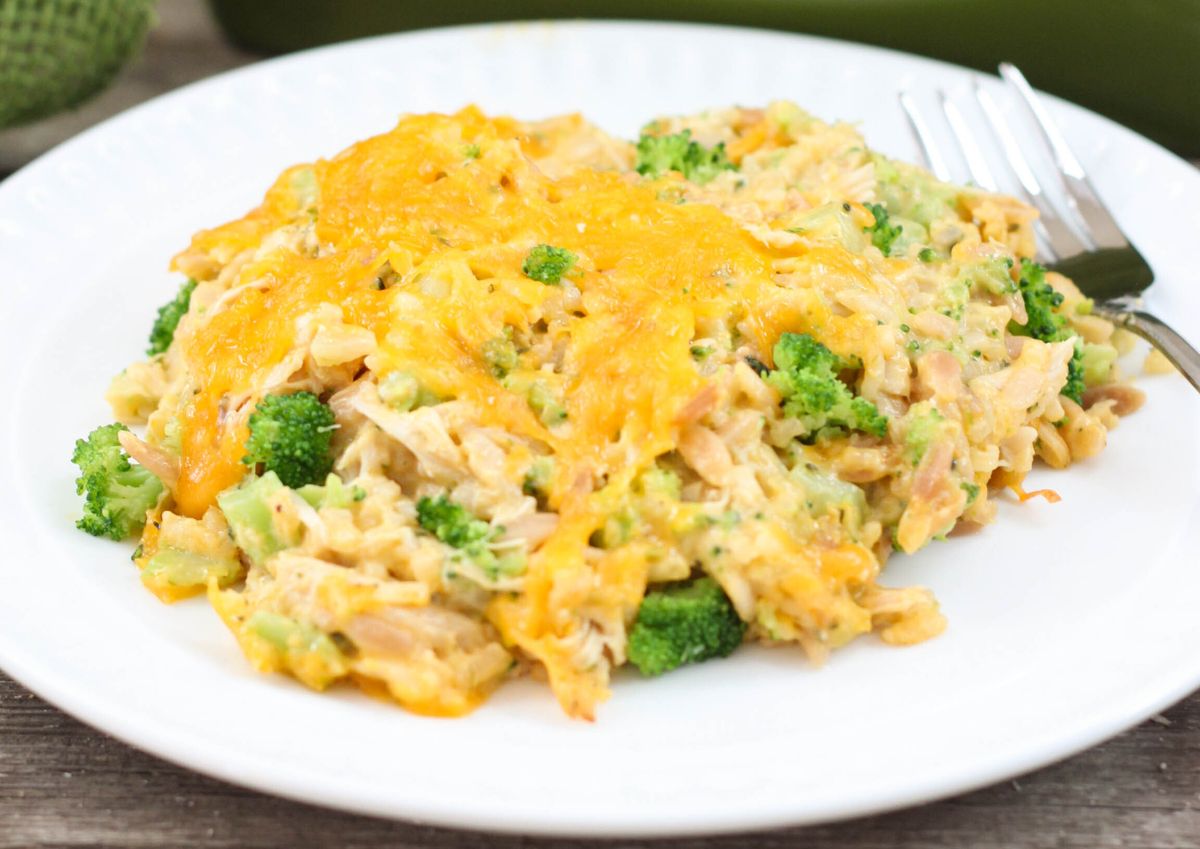
- Broccoli Rice Cheese and Chicken Casserole Recipe45 Minutes
- Sweet Sticky and Spicy Chicken Recipe45 Minutes
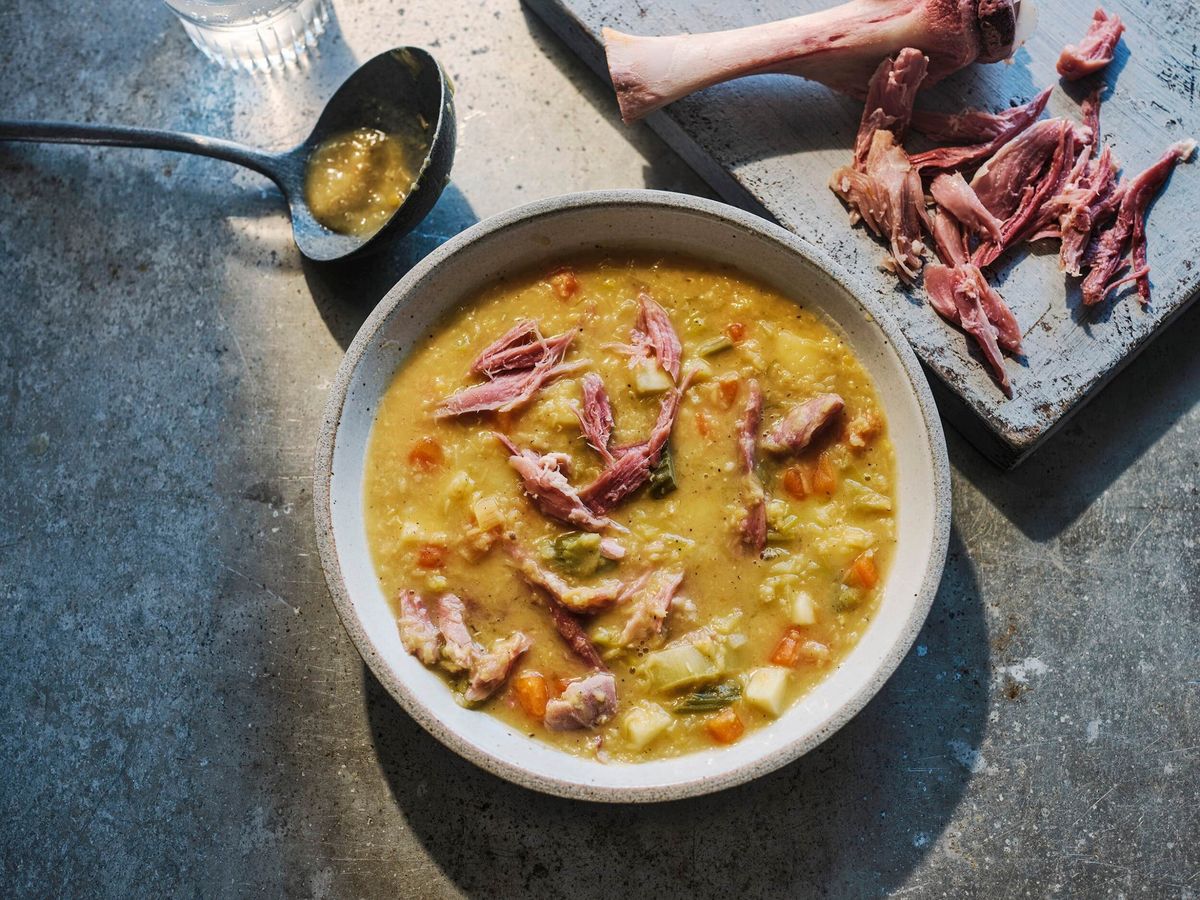
- Lentil Ham Soup Recipe1 Hours 15 Minutes
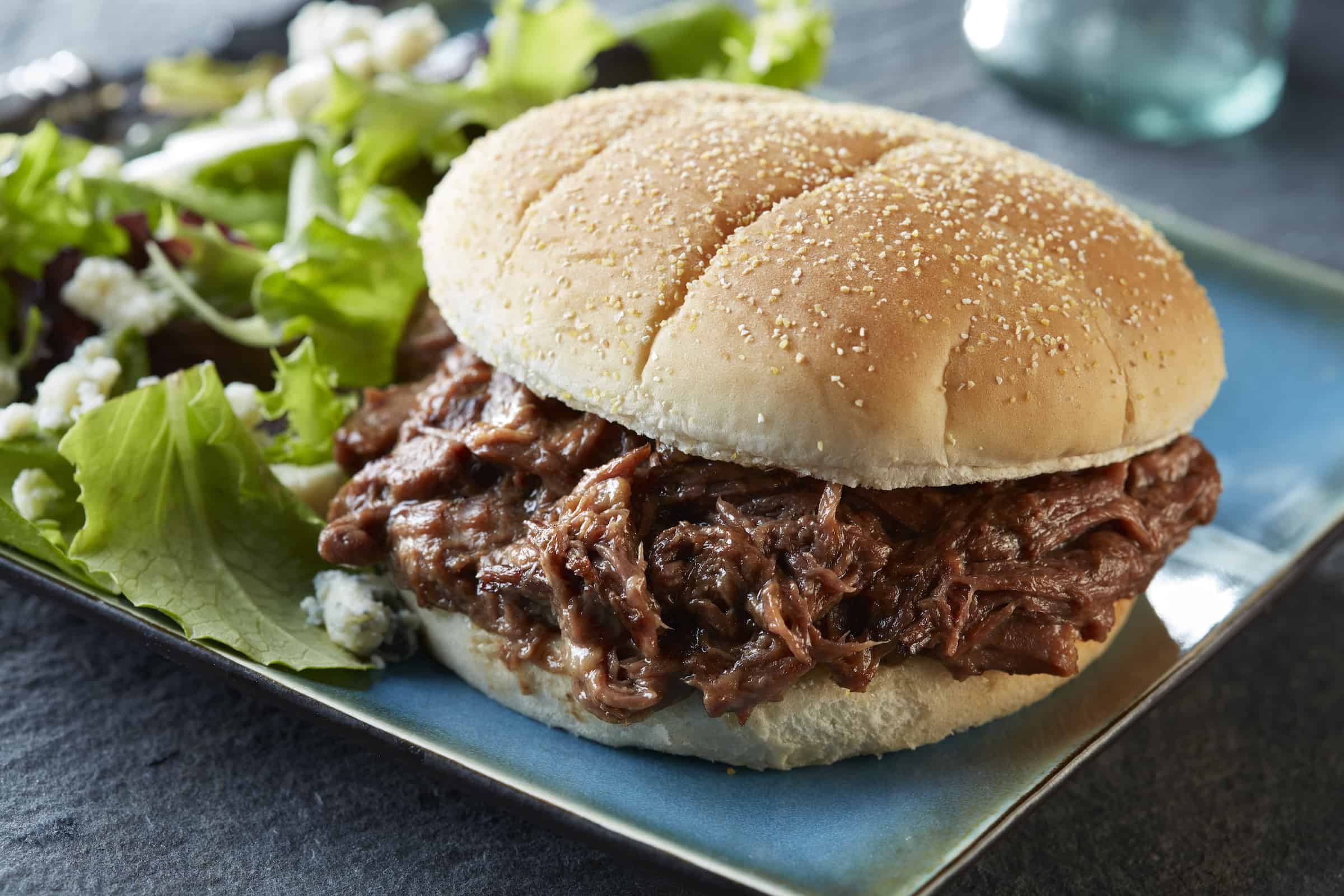
- Hot Beef Sandwiches Recipe30 Minutes
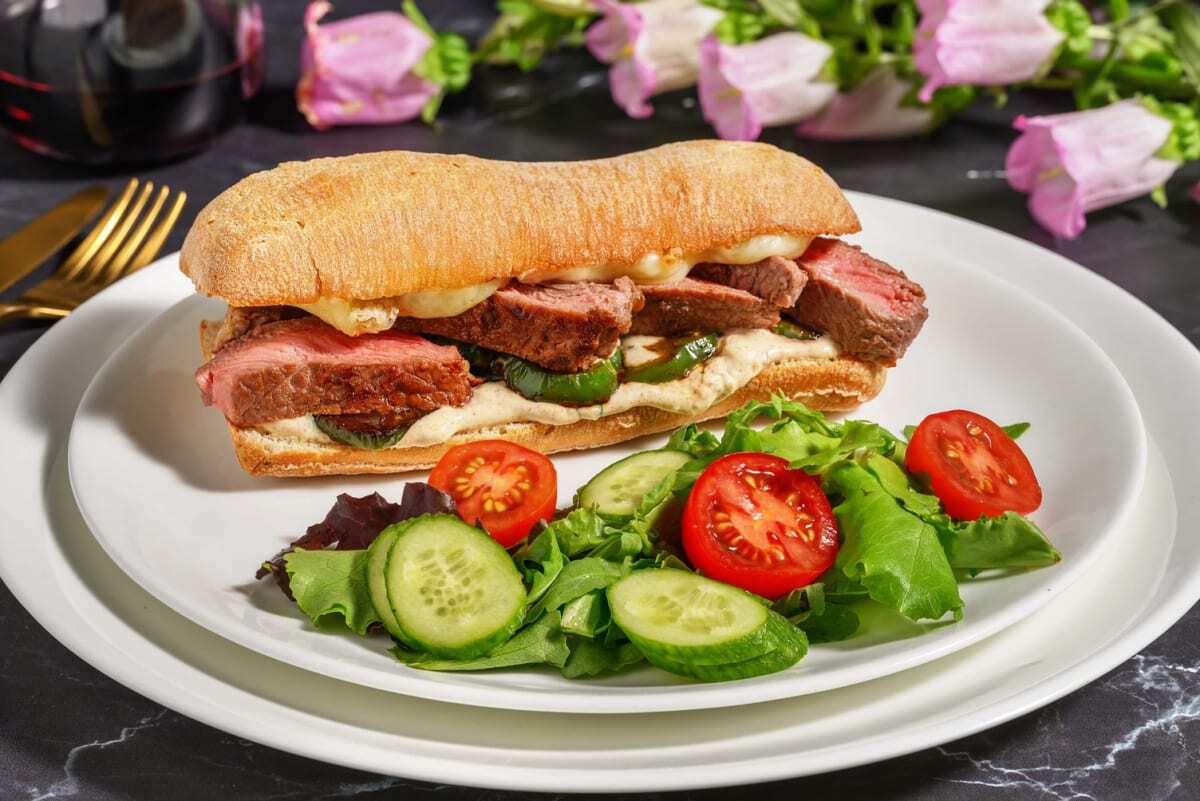
- Mexican Steak Torta Recipe30 Minutes
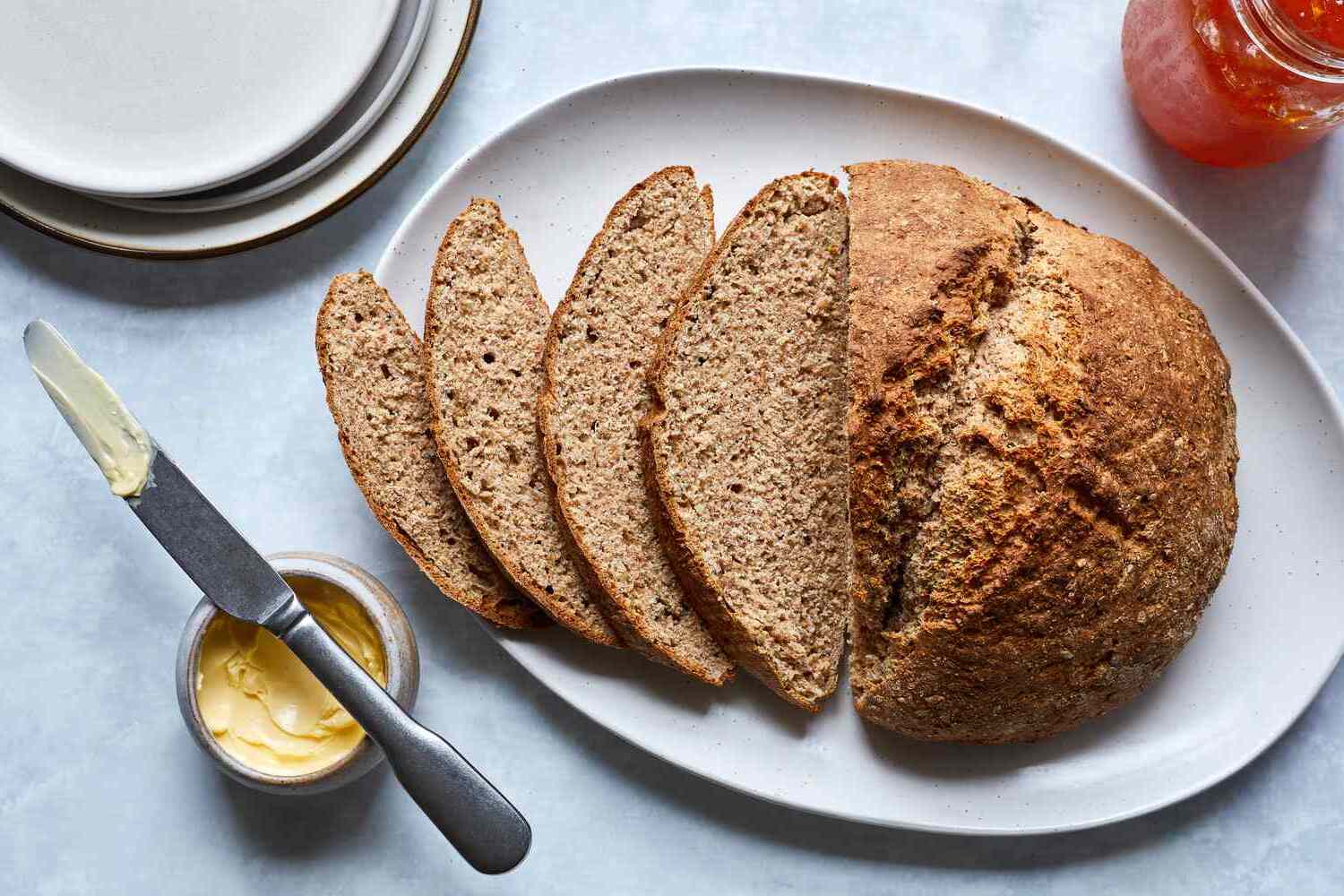
- Irish Wheaten Bread Recipe55 Minutes
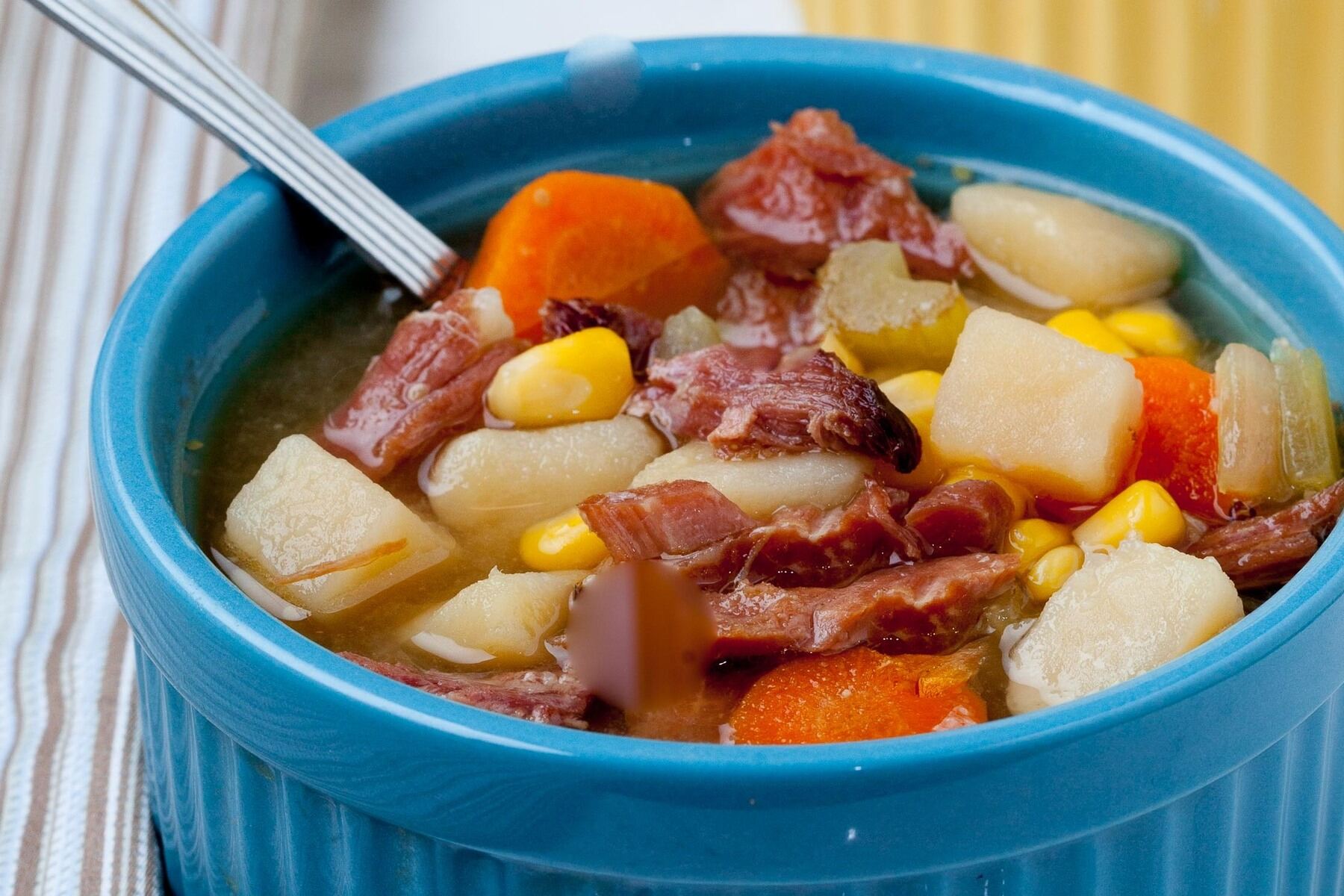
- Ham Bone and Vegetable Soup Recipe2 Hours 15 Minutes



Leave a Reply