

Tamago, a sweet and savory Japanese rolled omelette, is a delightful addition to any meal. This dish is often enjoyed in sushi or as a standalone treat. The layers of egg create a beautiful texture and a burst of flavor with each bite.
Some ingredients in this recipe might not be staples in every kitchen. Mirin, a sweet rice wine, and soy sauce are essential for authentic Japanese flavor. These can be found in the international aisle of most supermarkets. Make sure to get the right type of soy sauce, as it can vary in flavor and saltiness.
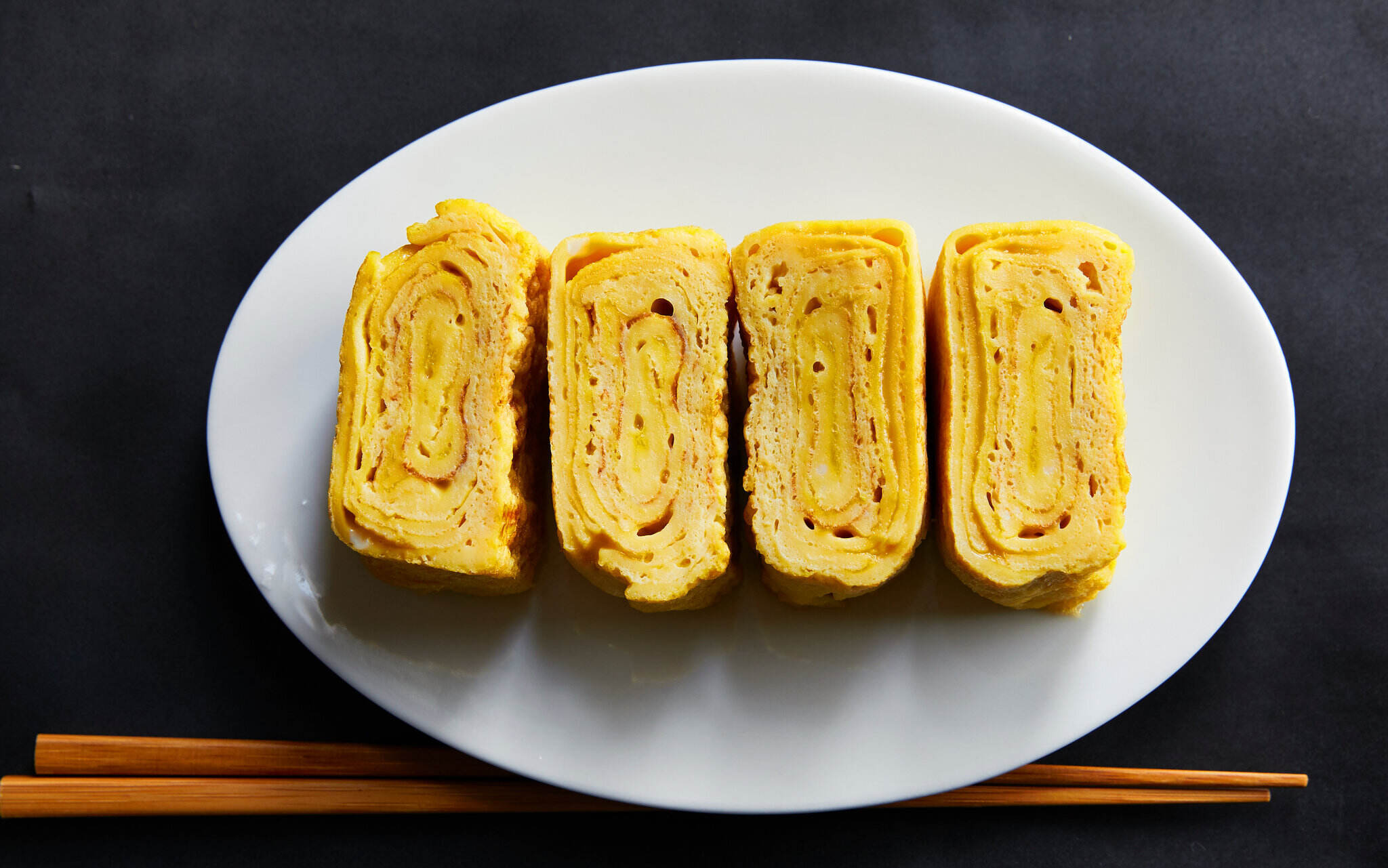
Ingredients For Japanese Tamago Egg Recipe
Eggs: The main ingredient, providing the base for the omelette.
Sugar: Adds sweetness to balance the savory elements.
Mirin: A sweet rice wine that enhances the flavor and adds a slight sweetness.
Soy sauce: Adds umami and a touch of saltiness.
Salt: Enhances the overall flavor of the dish.
Technique Tip for This Recipe
When making tamago, ensure your non-stick pan is evenly heated before pouring in the egg mixture. This helps achieve a smooth, even layer. Use a silicone spatula to gently roll the egg to one side, which prevents tearing and maintains a uniform shape.
Suggested Side Dishes
Alternative Ingredients
eggs - Substitute with egg whites: If you want a lower cholesterol option, egg whites can be used, though the texture will be slightly different.
sugar - Substitute with honey: Honey adds a natural sweetness and a slightly different flavor profile, but it works well in the recipe.
mirin - Substitute with rice vinegar and sugar: Mix 1 tablespoon of rice vinegar with ½ teaspoon of sugar to mimic the sweetness and acidity of mirin.
soy sauce - Substitute with tamari: Tamari is a gluten-free alternative to soy sauce and has a similar flavor profile.
salt - Substitute with sea salt: Sea salt can be used in the same quantity and will provide a slightly different mineral flavor.
Other Alternative Recipes
How to Store or Freeze This Dish
Allow the tamago to cool completely at room temperature before storing. This helps prevent condensation, which can make the egg soggy.
Wrap the tamago tightly in plastic wrap. Ensure there are no air pockets to maintain freshness and prevent drying out.
Place the wrapped tamago in an airtight container. This adds an extra layer of protection against moisture and odors from other foods in the refrigerator.
Store the container in the refrigerator. The tamago will stay fresh for up to 3 days.
For longer storage, consider freezing. Wrap the tamago in plastic wrap and then in aluminum foil to prevent freezer burn.
Place the wrapped tamago in a freezer-safe bag or container. Label it with the date to keep track of its freshness.
When ready to use, thaw the tamago in the refrigerator overnight. Avoid microwaving to defrost, as it can alter the texture.
Once thawed, consume the tamago within 24 hours for the best taste and texture.
How to Reheat Leftovers
Microwave Method:
- Place the sliced tamago on a microwave-safe plate.
- Cover with a damp paper towel to retain moisture.
- Heat on medium power for 20-30 seconds. Check and add more time if necessary, but avoid overheating to prevent rubbery texture.
Stovetop Method:
- Heat a non-stick pan over low heat.
- Lightly oil the pan with a bit of vegetable oil or butter.
- Place the sliced tamago in the pan.
- Cover with a lid and heat for 1-2 minutes, flipping halfway through to ensure even warming.
Oven Method:
- Preheat your oven to 300°F (150°C).
- Place the sliced tamago on a baking sheet lined with parchment paper.
- Cover with aluminum foil to prevent drying out.
- Warm in the oven for about 5-7 minutes, checking occasionally to ensure it doesn't overcook.
Steaming Method:
- Set up a steamer or use a pot with a steaming rack.
- Place the sliced tamago on a heatproof plate.
- Steam for about 3-5 minutes, or until heated through. This method helps retain the tamago's moisture and soft texture.
Best Tools for This Recipe
Mixing bowl: Use this to beat the eggs and mix in the sugar, mirin, soy sauce, and salt.
Whisk: This will help you thoroughly combine the eggs and other ingredients.
Non-stick pan: Essential for cooking the egg mixture without it sticking to the surface.
Spatula: Use this to roll the egg mixture to one side of the pan and to help with flipping.
Measuring spoons: These will ensure you add the correct amounts of sugar, mirin, soy sauce, and salt.
Cooking oil: Lightly oil the pan to prevent the eggs from sticking.
Knife: Use this to slice the cooked tamago after it has cooled slightly.
Cutting board: A surface to place the tamago on for slicing.
How to Save Time on This Recipe
Prepare ingredients in advance: Measure and mix sugar, mirin, soy sauce, and salt before starting to cook.
Use a squeeze bottle: Pour the egg mixture into a squeeze bottle for easy and precise pouring.
Preheat the pan: Ensure the non-stick pan is hot before adding the egg mixture to speed up cooking.
Use a silicone spatula: A silicone spatula helps in rolling the egg smoothly and quickly.
Cook on medium heat: Maintain a consistent medium heat to cook the egg layers evenly and efficiently.
Japanese Tamago Egg Recipe
Ingredients
Main Ingredients
- 4 large eggs
- 2 tablespoon sugar
- 1 tablespoon mirin
- 1 tablespoon soy sauce
- ¼ teaspoon salt
- Oil for cooking
Instructions
- Beat the eggs in a bowl.
- Add sugar, mirin, soy sauce, and salt. Mix well.
- Heat a non-stick pan over medium heat and lightly oil it.
- Pour a thin layer of the egg mixture into the pan.
- Once the egg is set, roll it to one side of the pan.
- Add more egg mixture to the empty side and repeat until all the mixture is used.
- Remove from pan, let it cool slightly, and slice.
Nutritional Value
Keywords
More Amazing Recipes to Try 🙂
- Blueberry Pancakes Recipe30 Minutes
- Baileys Flat White Martini Recipe5 Minutes
- Broccolini Recipe25 Minutes
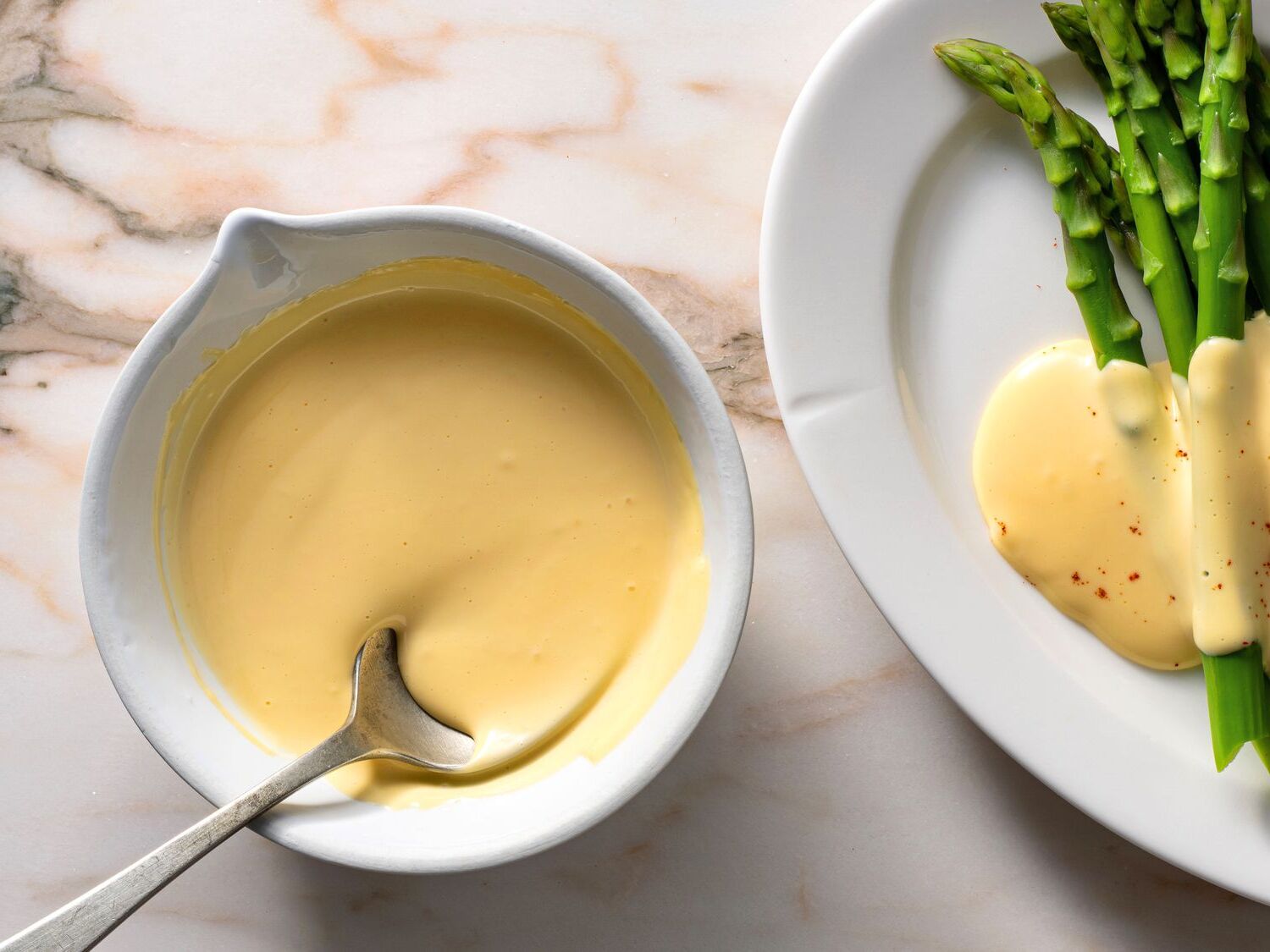
- Hollandaise Sauce Recipe20 Minutes
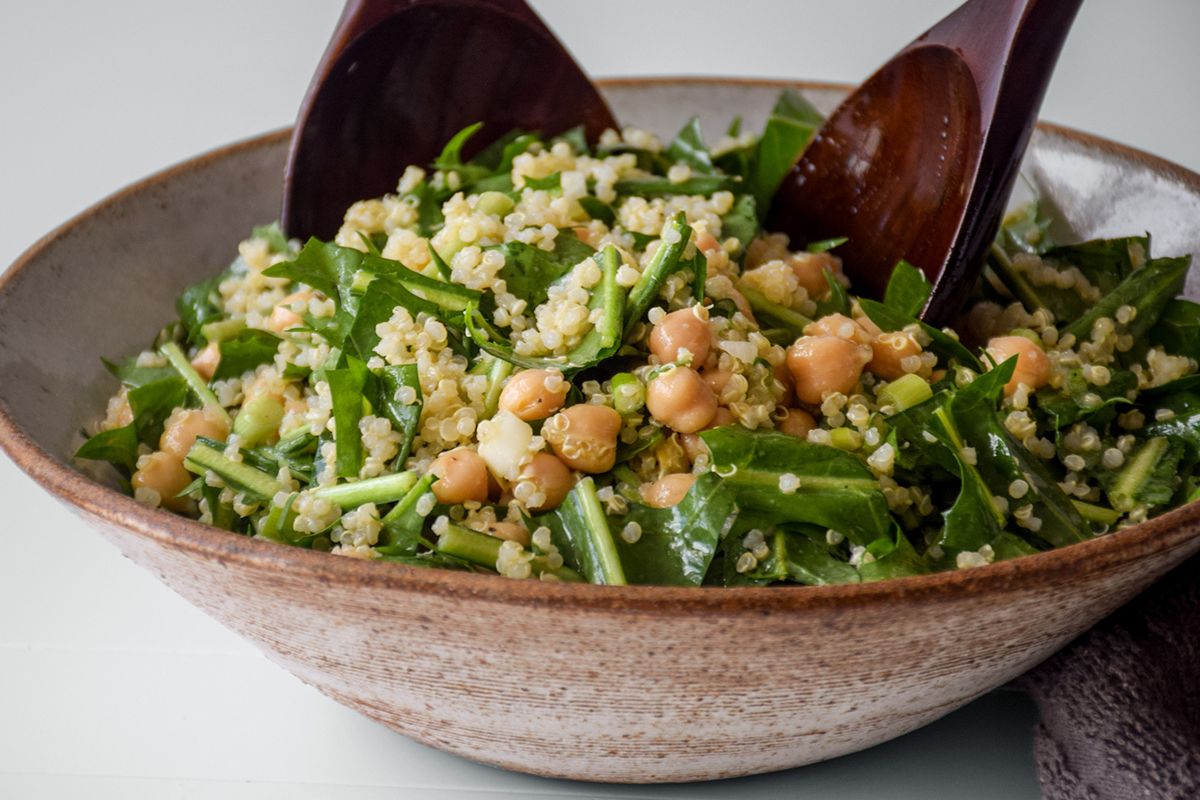
- Dandelion Salad Recipe15 Minutes
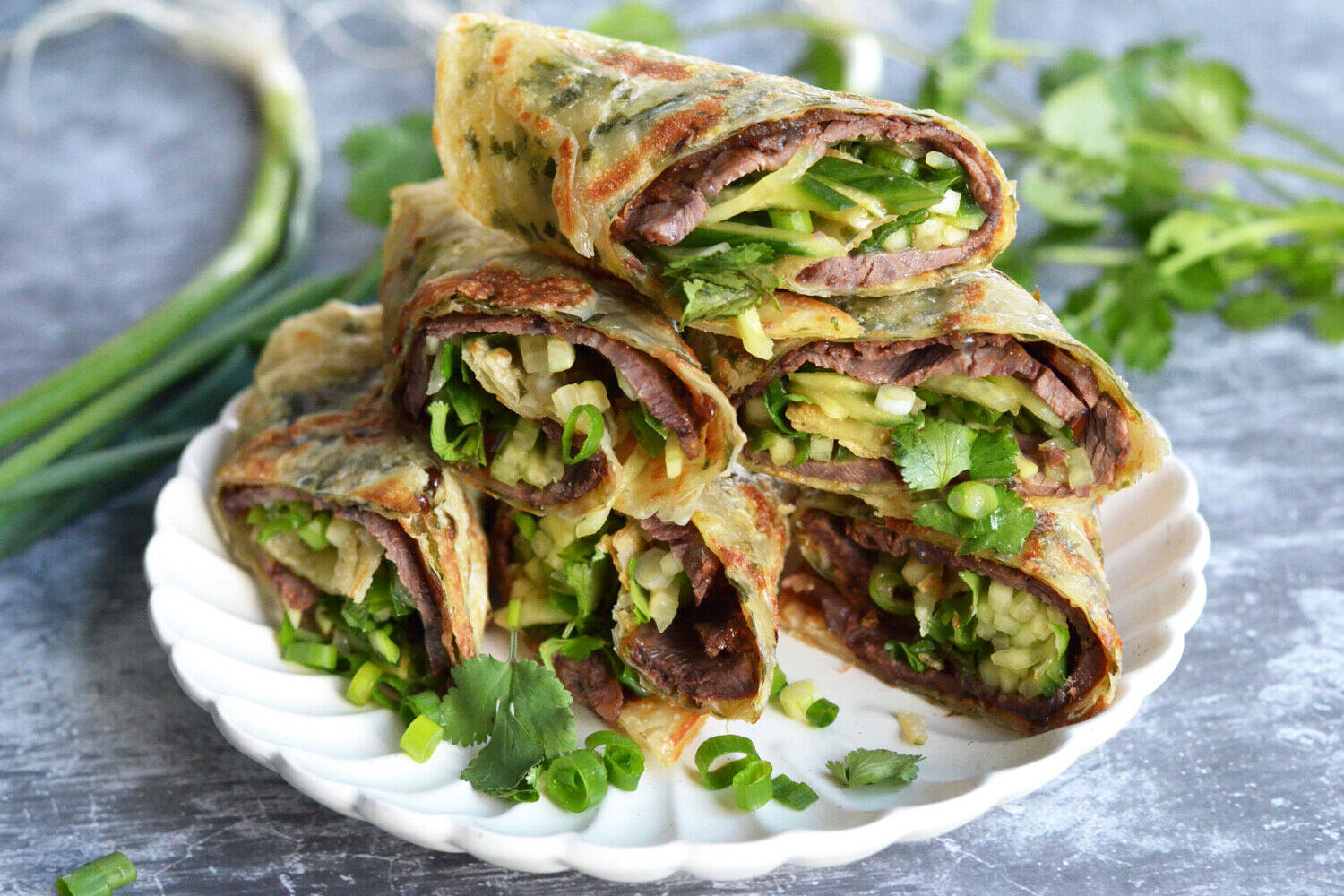
- Beef and Scallion Rolls Recipe25 Minutes
- Avocado Tacos Recipe15 Minutes
- Yogurt Bread Recipe1 Hours









Leave a Reply