
I love making sushi rice because it’s the perfect base for so many fun dishes. It’s a little sticky, a little sweet, and just right for rolling or topping with your favorite ingredients. I’m excited to share this simple recipe that makes your sushi rice taste just like it does at a restaurant.
Most of the ingredients for this recipe are probably already in your kitchen, like sugar and salt. The one you might need to pick up is rice vinegar, which gives the rice its signature tangy flavor. When you go to the supermarket, look for rice vinegar in the Asian foods aisle or near other vinegars. Also, make sure to get short-grain sushi rice, as it’s stickier than regular rice and works best for sushi.
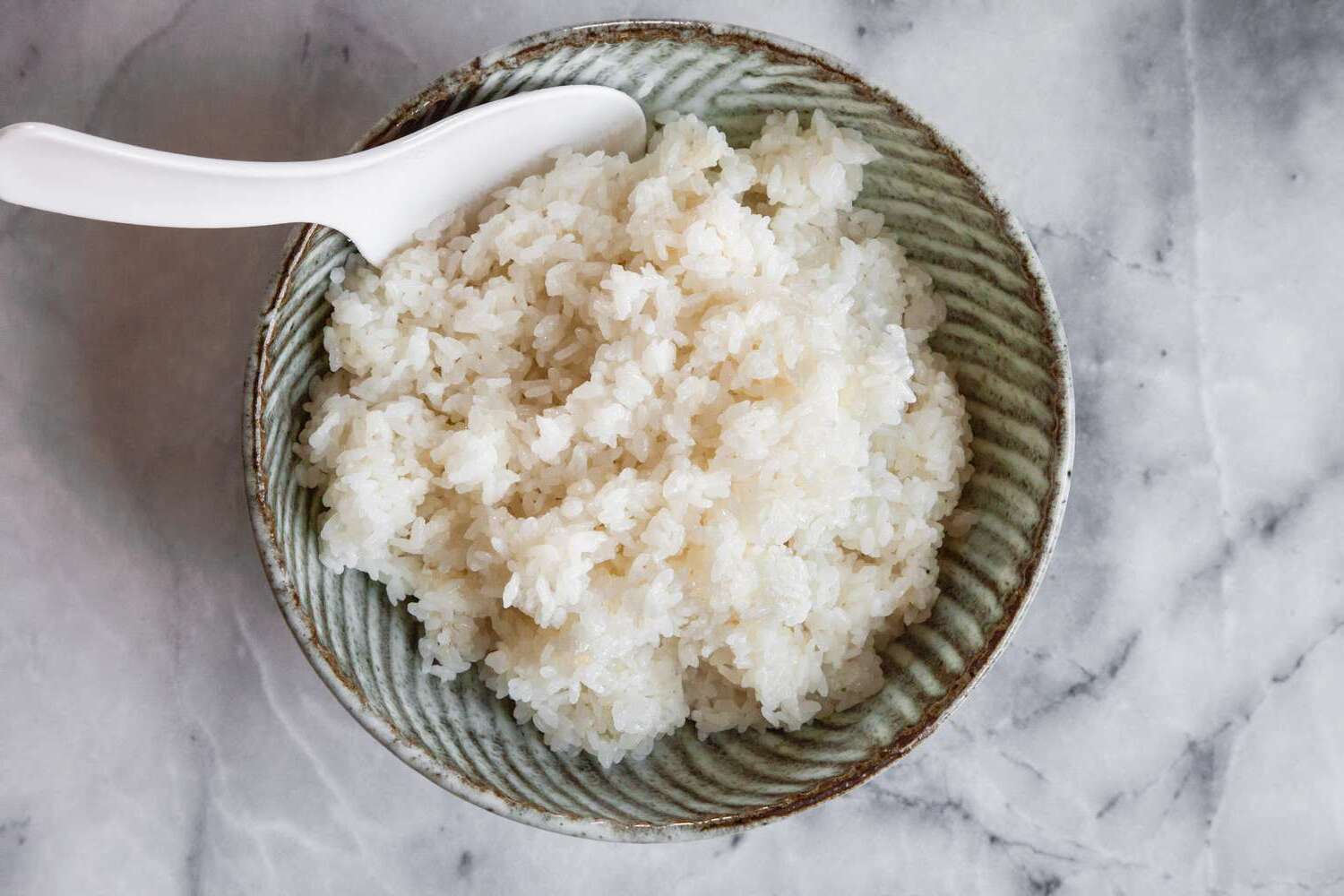
Ingredients For Sushi Rice Recipe
Short-grain sushi rice: This type of rice is stickier than regular rice, which helps it hold together when making sushi.
Water: Used to cook the rice and make it soft.
Rice vinegar: Adds a slightly tangy flavor that is essential for authentic sushi rice.
Sugar: Balances the vinegar with a touch of sweetness.
Salt: Enhances the overall flavor of the rice.
Technique Tip for This Recipe
One of the most important steps in making perfect sushi rice is gently folding in the vinegar mixture after the rice is cooked. This might sound simple, but doing it the right way really makes a difference in how your rice turns out. Here’s how you can do it step by step:
- First, transfer your hot, freshly cooked rice into a large bowl. Using a bowl that’s big enough gives you room to work without squishing the grains.
- Pour the warm vinegar mixture evenly over the rice.
- Now, instead of stirring or mixing quickly, use a wooden spatula or a big spoon to gently fold the rice. To fold, scoop the rice from the bottom and lift it over the top, turning the bowl as you go. This helps spread the vinegar without smashing the grains.
- Keep folding gently until the vinegar is mixed in and the rice starts to cool down.
- Let the rice sit at room temperature for a bit before using it in your sushi.
Why does this matter? When you fold gently, you keep the rice grains nice and separate, which makes the texture light and fluffy instead of mushy. Also, folding helps the vinegar flavor spread evenly, so every bite tastes just right.
A little secret I learned the hard way: if you stir too fast or too hard, the rice gets sticky and clumps together, which isn’t great for making sushi. I used to rush this part because I was excited to eat, but taking a few extra minutes to fold carefully really makes the rice shine. Plus, letting it cool a bit helps the flavors settle and makes it easier to handle when you’re rolling your sushi later.
Suggested Side Dishes
Alternative Ingredients
short-grain sushi rice - Substitute with arborio rice: Arborio rice has a similar starchy texture, making it a good alternative for achieving the sticky consistency needed for sushi.
short-grain sushi rice - Substitute with calrose rice: Calrose rice is a medium-grain rice that becomes slightly sticky when cooked, similar to sushi rice.
water - Substitute with dashi: Dashi, a Japanese stock, can add a subtle umami flavor to the rice, enhancing the overall taste of the sushi.
rice vinegar - Substitute with apple cider vinegar: Apple cider vinegar has a mild acidity and sweetness that can mimic the flavor profile of rice vinegar.
rice vinegar - Substitute with white wine vinegar: White wine vinegar can be used with a touch of sugar to replicate the sweet and tangy flavor of rice vinegar.
sugar - Substitute with honey: Honey can provide a similar sweetness to sugar, though it may slightly alter the flavor profile.
sugar - Substitute with agave syrup: Agave syrup is a liquid sweetener that can be used in place of sugar for a similar sweetness level.
salt - Substitute with soy sauce: Soy sauce can add both saltiness and an additional layer of umami flavor, though it will darken the color of the rice slightly.
salt - Substitute with sea salt: Sea salt can be used as a direct substitute for regular salt, offering a slightly different mineral profile.
Alternative Recipes to Try
How to Store or Freeze This Dish
Allow the freshly prepared sushi rice to cool to room temperature. This ensures that the texture remains perfect and prevents condensation from forming when stored.
Once cooled, transfer the sushi rice into an airtight container. This helps maintain its moisture and prevents it from absorbing any unwanted odors from the fridge.
If you plan to use the sushi rice within a day or two, store it in the refrigerator. This keeps it fresh and ready for your next sushi adventure.
For longer storage, consider freezing the sushi rice. Portion the rice into smaller, manageable amounts before placing it in freezer-safe bags or containers. This makes it easier to thaw only what you need.
When freezing, flatten the rice in the bags to create thin layers. This not only saves space but also speeds up the thawing process.
Label each container or bag with the date of preparation. This helps you keep track of its freshness and ensures you use the oldest batch first.
To reheat, gently steam the sushi rice using a steamer or microwave. Add a splash of water to restore its original texture and fluffiness.
Avoid reheating sushi rice multiple times. Each reheating cycle can degrade its quality, so only warm up the amount you plan to use immediately.
If you notice any off smells or changes in texture, it's best to discard the sushi rice. Freshness is key to maintaining the delightful experience of sushi.
Essential Tools for This Recipe
Rice cooker: A convenient appliance used to cook the sushi rice evenly and efficiently, ensuring perfect texture.
Small saucepan: Used to gently heat the rice vinegar, sugar, and salt mixture without boiling, allowing the ingredients to dissolve properly.
Large bowl: Essential for transferring the cooked rice and mixing it with the vinegar mixture, providing ample space for gentle folding.
Fine mesh strainer: Utilized to rinse the sushi rice thoroughly under cold water, removing excess starch for better rice texture.
Wooden spoon or rice paddle: Ideal for folding the vinegar mixture into the rice without crushing the grains, maintaining the rice's integrity.
How to Save Time on This Recipe
Rinse efficiently: Use a fine-mesh strainer to quickly rinse the sushi rice until the water runs clear, saving time compared to using a bowl.
Rice cooker advantage: Utilize a rice cooker to ensure perfectly cooked rice without constant monitoring, freeing you up for other tasks.
Pre-mix vinegar: Prepare the vinegar mixture in advance and store it in the fridge, so it's ready to use when the rice is cooked.
Cooling shortcut: Spread the cooked rice on a baking sheet to cool it faster, allowing you to move on to the next steps sooner.
Sushi Rice Recipe
Ingredients
Main Ingredients
- 2 cups sushi rice short-grain
- 2 cups water
- ⅓ cup rice vinegar
- 3 tablespoon sugar
- 1.5 teaspoon salt
Instructions
- Rinse the sushi rice under cold water until the water runs clear.
- Combine the rice and water in a rice cooker and cook according to the manufacturer's instructions.
- In a small saucepan, combine the rice vinegar, sugar, and salt. Cook over medium heat until the sugar and salt have dissolved. Do not boil.
- Transfer the cooked rice to a large bowl and gently fold in the vinegar mixture. Let the rice cool to room temperature before using.
Nutritional Value
Keywords
Suggested Appetizers and Desserts
More Amazing Recipes to Try 🙂
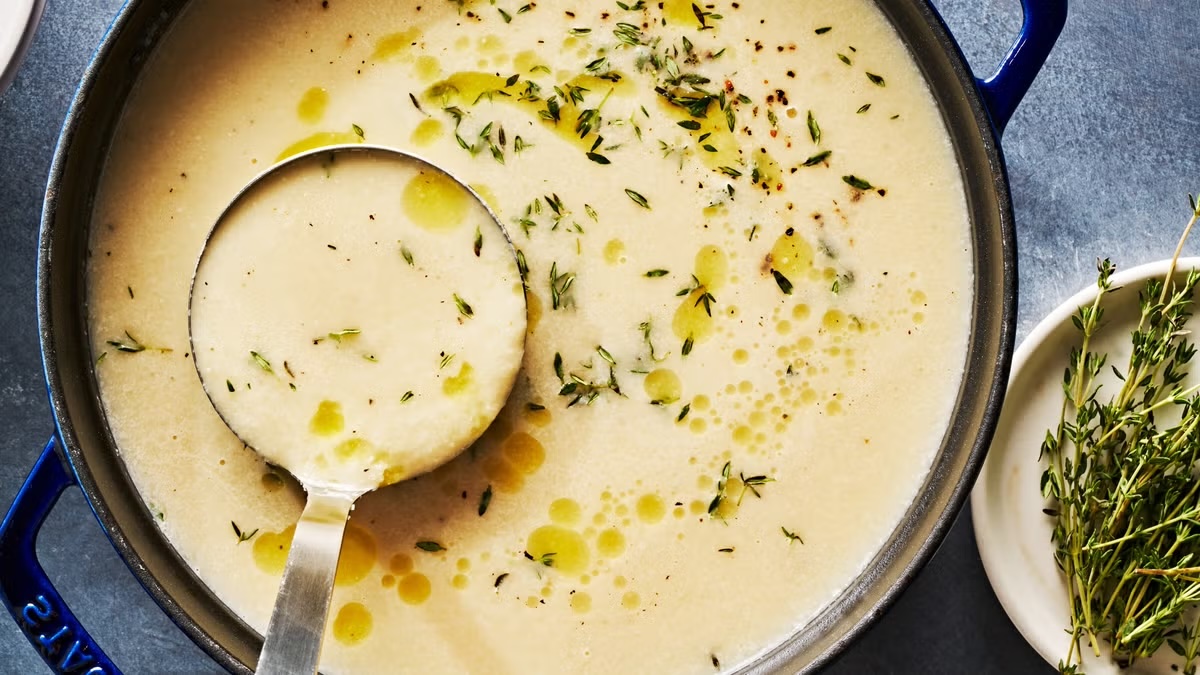
- Cauliflower Soup Recipe30 Minutes
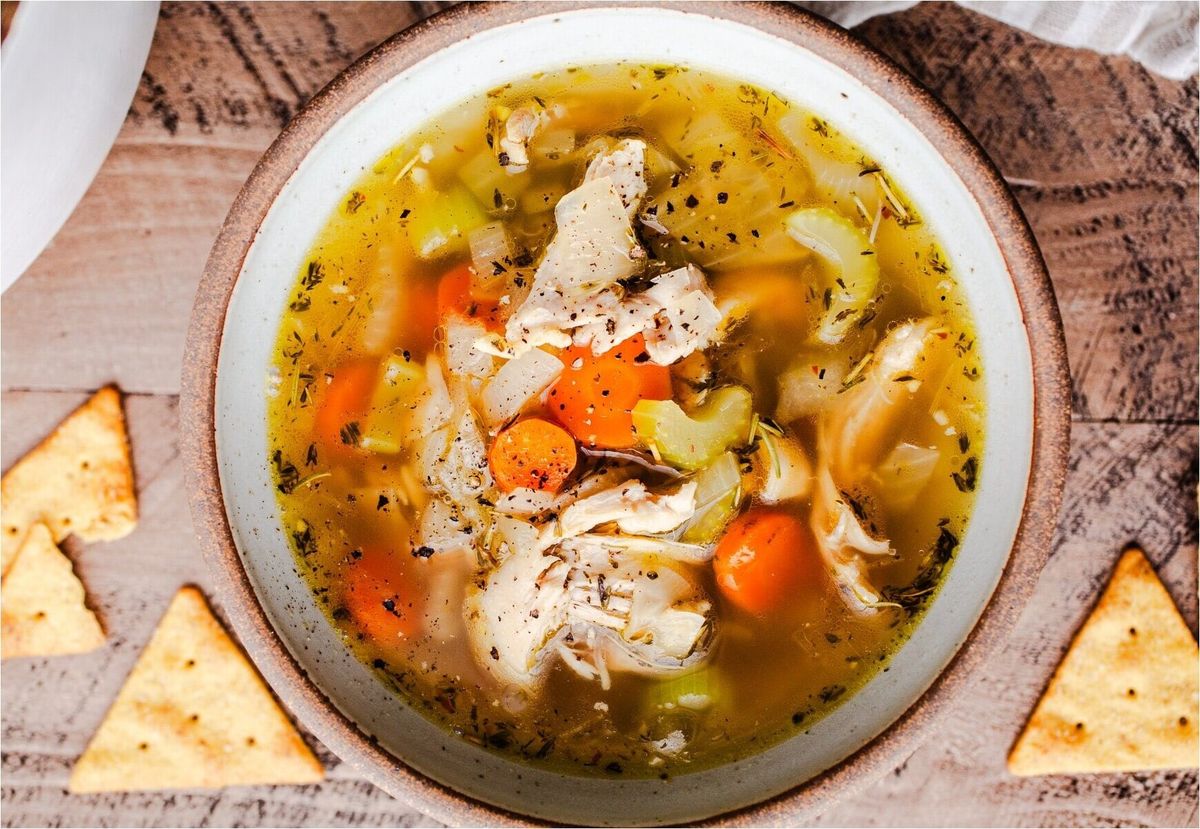
- Gluten-Free Chicken Soup Recipe45 Minutes
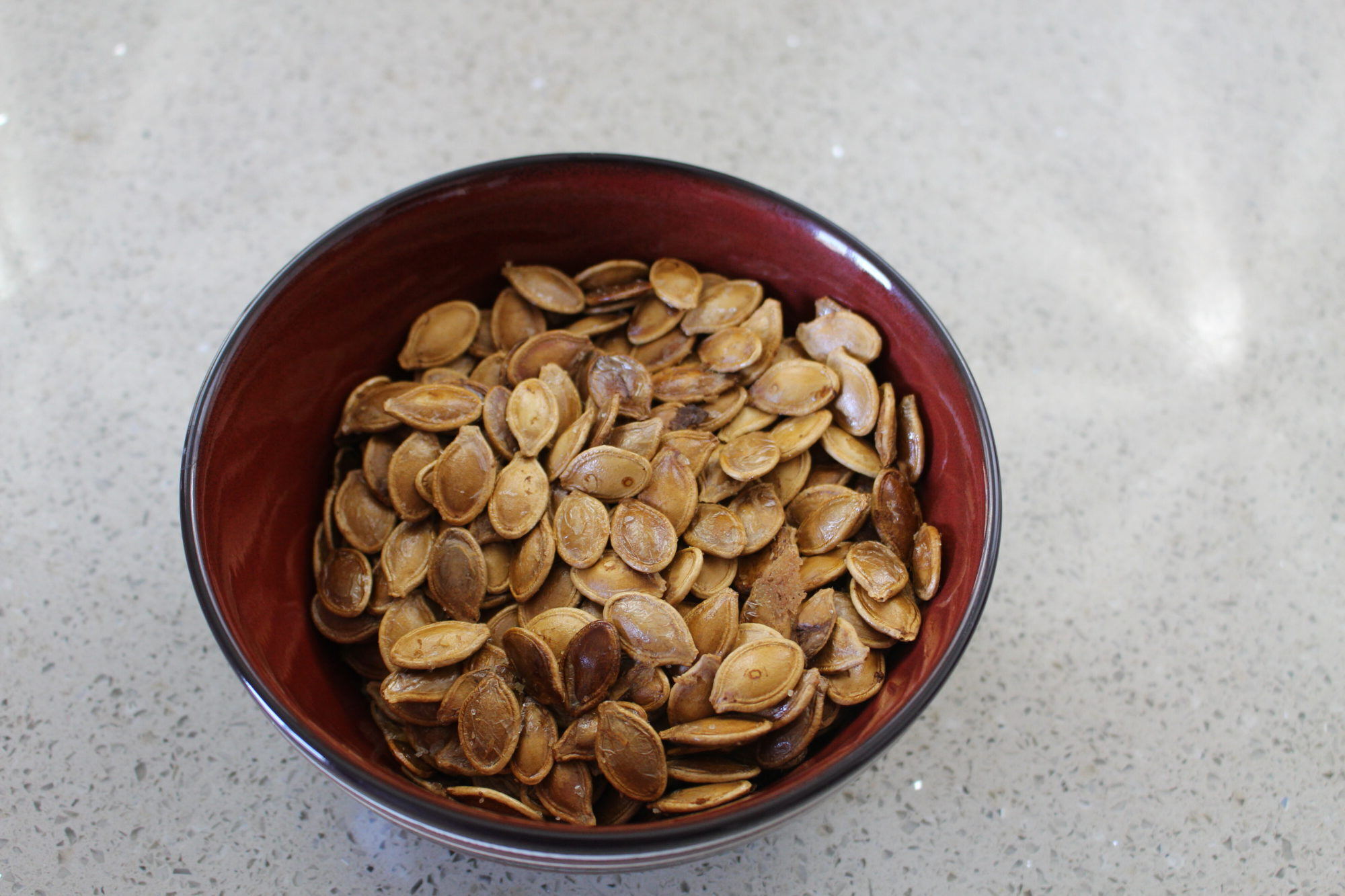
- Toasted Pumpkin Seeds Recipe30 Minutes
- Doughnuts Recipe35 Minutes
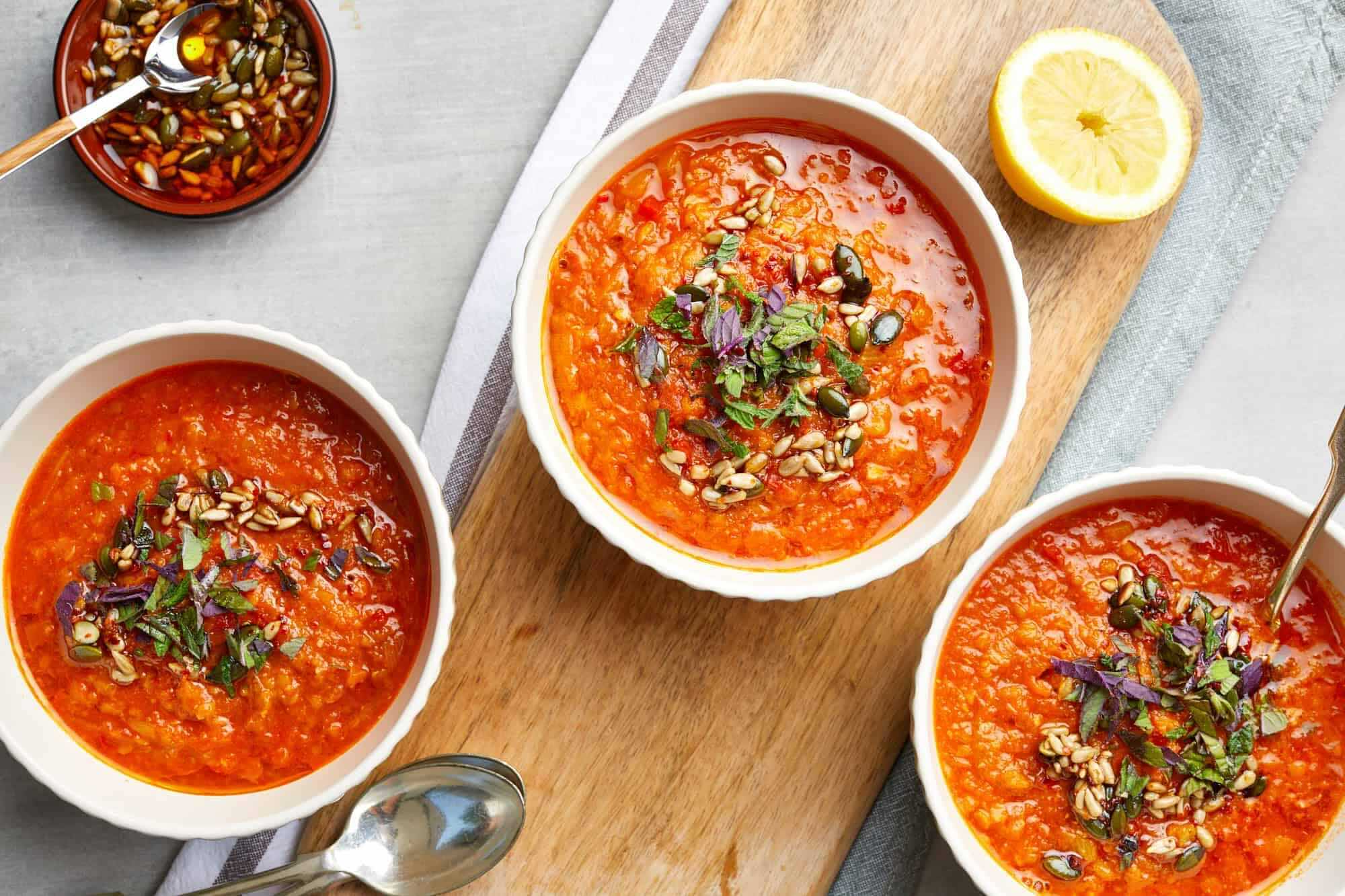
- Turkish Red Lentil Soup Recipe40 Minutes
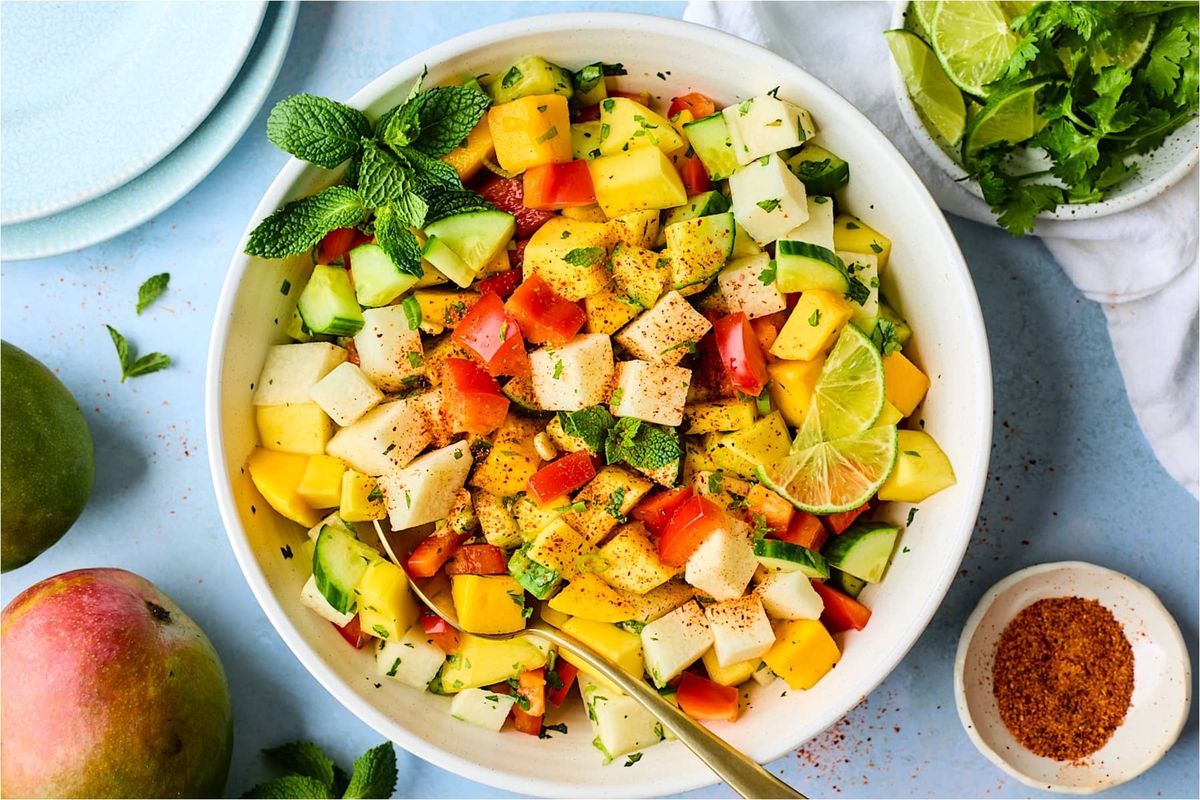
- Mango Salad Recipe15 Minutes
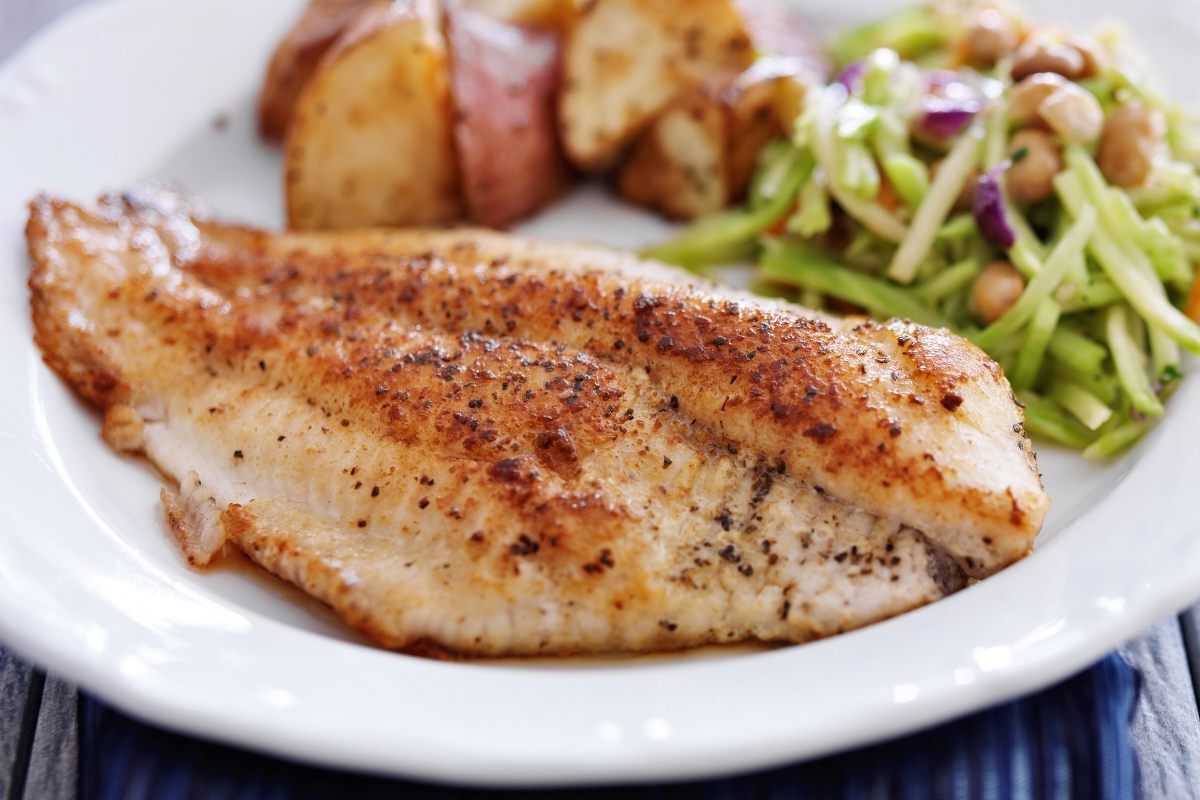
- Seasoned Swai Fish Fillet Recipe25 Minutes
- Birria Quesa Tacos Recipe4 Hours 30 Minutes



Leave a Reply