

I love making this salad dressing because it turns any simple salad into something special with just a few ingredients. It’s fresh, tangy, and a little sweet, which makes it perfect for lunch or dinner. I’m excited for you to try it and see how easy it is to make your own dressing at home.
Most of the ingredients in this recipe are common pantry staples, but if you don’t have dijon mustard or balsamic vinegar, you might want to pick them up at the supermarket. Dijon mustard adds a nice tang and helps the dressing mix well, while balsamic vinegar gives it a rich, slightly sweet flavor. Honey is also important for balancing the acidity with a touch of sweetness.
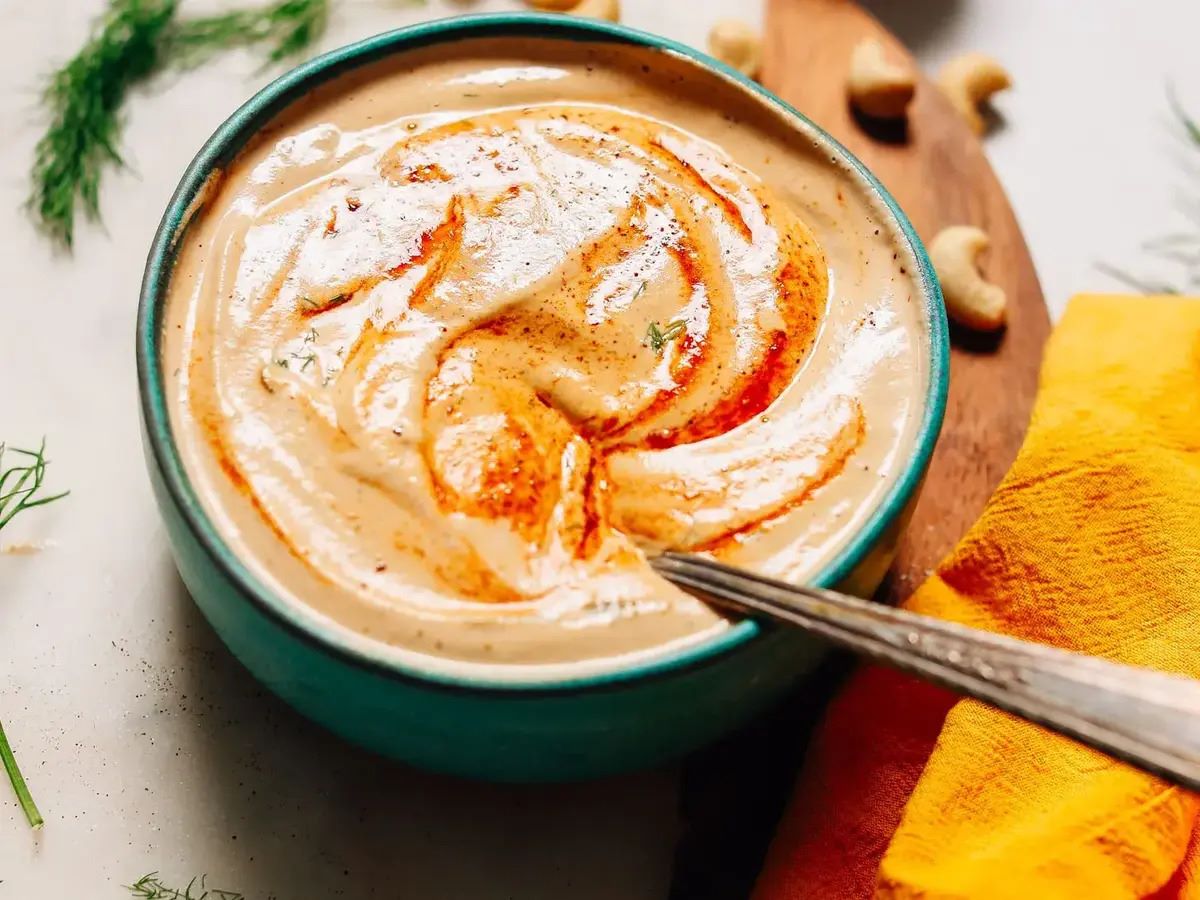
Salad Dressing Recipe Ingredients
Olive oil: A smooth, fruity oil that forms the base of the dressing and helps blend all the flavors together.
Balsamic vinegar: A dark, slightly sweet vinegar that adds depth and tanginess.
Dijon mustard: A creamy mustard that helps emulsify the dressing and adds a bit of sharpness.
Garlic: Fresh garlic gives a punch of flavor and a little bit of heat.
Honey: Adds natural sweetness to balance the vinegar’s acidity.
Salt: Enhances all the flavors in the dressing.
Black pepper: Adds a mild spice and warmth.
Technique Tip for This Recipe
Whisking your salad dressing until it’s well combined and emulsified is a simple step that makes a big difference. Here’s how to do it without making a mess or leaving your dressing separated:
- Use a medium-sized bowl so you have enough room to whisk without splashing.
- Hold the bowl steady with one hand and the whisk with the other.
- Move the whisk quickly in small circles or figure-eights to mix the olive oil and balsamic vinegar together.
- Keep whisking until the mixture looks smooth and creamy, not oily or watery.
Whisking like this helps the oil and vinegar blend into a thick, tasty dressing instead of sitting in separate layers. This makes every bite of your salad flavorful and balanced. If you don’t whisk enough, the dressing might separate, and you’ll have to stir it again before serving.
When I first made this dressing, I didn’t whisk long enough, so the oil floated on top and made the salad taste uneven. Now, I always whisk until I see the dressing change from two liquids into one smooth sauce. It’s a small step that really pays off.
Also, if you want to save time, you can put all the ingredients in a jar with a lid and shake it hard instead of whisking. It works just as well and is super quick to clean up. Either way, getting that dressing perfectly mixed is the secret to making your salad extra delicious every time.
Suggested Side Dishes
Alternative Ingredients
olive oil - Substitute with avocado oil: Avocado oil has a similar mild flavor and healthy fat profile, making it a great alternative for salad dressings.
olive oil - Substitute with grapeseed oil: Grapeseed oil is neutral in flavor and works well in dressings, providing a light texture.
balsamic vinegar - Substitute with red wine vinegar: Red wine vinegar offers a tangy flavor that complements salads, though it is less sweet than balsamic.
balsamic vinegar - Substitute with apple cider vinegar: Apple cider vinegar has a fruity acidity that can mimic the tanginess of balsamic vinegar.
dijon mustard - Substitute with whole grain mustard: Whole grain mustard provides a similar tangy flavor with a slightly different texture due to the mustard seeds.
dijon mustard - Substitute with yellow mustard: Yellow mustard can be used in a pinch, though it is milder and less complex in flavor.
garlic - Substitute with garlic powder: Garlic powder can be used for a more subtle garlic flavor without the texture of fresh garlic.
garlic - Substitute with shallots: Minced shallots offer a mild onion-garlic flavor that can enhance the dressing.
honey - Substitute with maple syrup: Maple syrup provides a similar sweetness with a unique flavor profile that complements many dressings.
honey - Substitute with agave nectar: Agave nectar is a vegan-friendly sweetener with a mild flavor, making it a good alternative to honey.
salt - Substitute with soy sauce: Soy sauce adds saltiness along with a depth of umami flavor, enhancing the overall taste of the dressing.
salt - Substitute with sea salt: Sea salt can be used for a more nuanced flavor compared to regular table salt.
black pepper - Substitute with white pepper: White pepper provides a similar heat without the visual specks, ideal for a smoother appearance.
black pepper - Substitute with cayenne pepper: Cayenne pepper adds a spicy kick, though it should be used sparingly to avoid overpowering the dressing.
Other Alternative Recipes to Try
How to Store or Freeze Your Dish
To keep your salad dressing fresh and flavorful, pour it into a clean, airtight container. A glass jar with a tight-fitting lid works wonders in preserving the taste and aroma.
Store the container in the refrigerator. The cool environment helps maintain the integrity of the olive oil and other ingredients, ensuring your dressing remains delightful.
If you notice the olive oil solidifying in the fridge, don't fret. Simply let the dressing sit at room temperature for a few minutes before using. A quick shake or whisk will restore its smooth consistency.
For those who love to plan ahead, consider freezing your salad dressing. Pour it into an ice cube tray, leaving a bit of space at the top for expansion. Once frozen, transfer the cubes to a freezer-safe bag or container.
When you're ready to enjoy, thaw the desired number of cubes in the refrigerator or at room temperature. A gentle whisk will bring back its luscious texture.
Remember, while freezing is an option, the dressing is best enjoyed fresh or within a week of refrigeration for optimal flavor.
How to Reheat Leftovers
Gently warm the salad dressing by placing it in a heatproof bowl over a pot of simmering water, creating a makeshift double boiler. Stir occasionally until it reaches your desired temperature, ensuring the olive oil doesn't separate.
Pour the dressing into a small saucepan and heat it over low heat on the stove. Stir continuously to maintain the emulsion and prevent the garlic from cooking further, which could alter the flavor.
If you're in a hurry, microwave the dressing in a microwave-safe container. Use short bursts of 10-15 seconds, stirring in between, to avoid overheating and breaking the emulsion.
For a more rustic approach, place the dressing in a glass jar with a tight-fitting lid. Submerge the jar in a bowl of hot water, allowing the gentle heat to warm it through while you shake the jar occasionally to keep it mixed.
If you prefer a cold dressing but want to soften the flavors, let the dressing sit at room temperature for about 30 minutes before serving. This method allows the olive oil to relax and the garlic to mellow without applying direct heat.
Essential Tools for This Recipe
Whisk: A whisk is essential for blending the ingredients smoothly and ensuring the dressing is well emulsified.
Mixing bowl: Use a mixing bowl to combine all the ingredients. It provides enough space to whisk without spilling.
Measuring cups: These are used to accurately measure the olive oil and balsamic vinegar, ensuring the right balance of flavors.
Measuring spoons: Measuring spoons help in precisely measuring the dijon mustard, honey, salt, and black pepper.
Garlic press: A garlic press is useful for mincing the garlic clove quickly and efficiently, releasing its full flavor.
Storage container: If you're not using the dressing immediately, a storage container is ideal for keeping it fresh in the refrigerator.
How to Save Time on Preparation
Prepare ingredients in advance: Mince the garlic and measure out the olive oil, balsamic vinegar, and dijon mustard ahead of time to streamline the process.
Use a jar for mixing: Combine all ingredients in a jar with a lid and shake vigorously to emulsify, saving time on whisking.
Batch make the dressing: Double or triple the recipe and store in the refrigerator, so you have salad dressing ready for the week.
Pre-season with staples: Keep a mix of salt and black pepper on hand to quickly season to taste.
Salad Dressing Recipe
Ingredients
Main Ingredients
- ½ cup Olive Oil
- ¼ cup Balsamic Vinegar
- 1 tablespoon Dijon Mustard
- 1 clove Garlic, minced
- 1 teaspoon Honey
- to taste Salt
- to taste Black Pepper
Instructions
- In a bowl, whisk together the olive oil, balsamic vinegar, Dijon mustard, minced garlic, and honey.
- Season with salt and black pepper to taste.
- Whisk until the dressing is well combined and emulsified.
- Serve immediately or store in the refrigerator for up to one week.
Nutritional Value
Keywords
More Amazing Recipes to Try 🙂
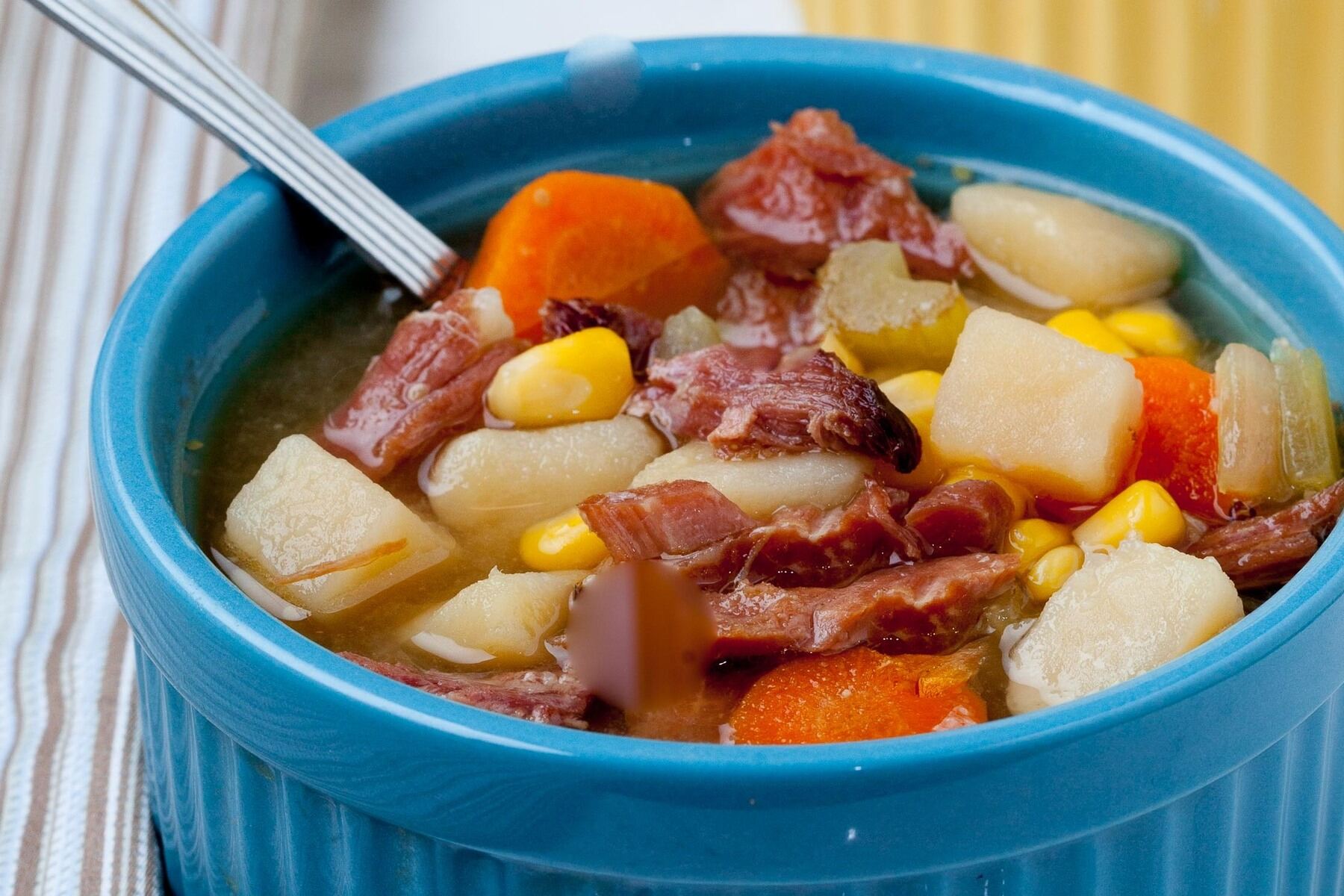
- Ham Bone and Vegetable Soup Recipe2 Hours 15 Minutes
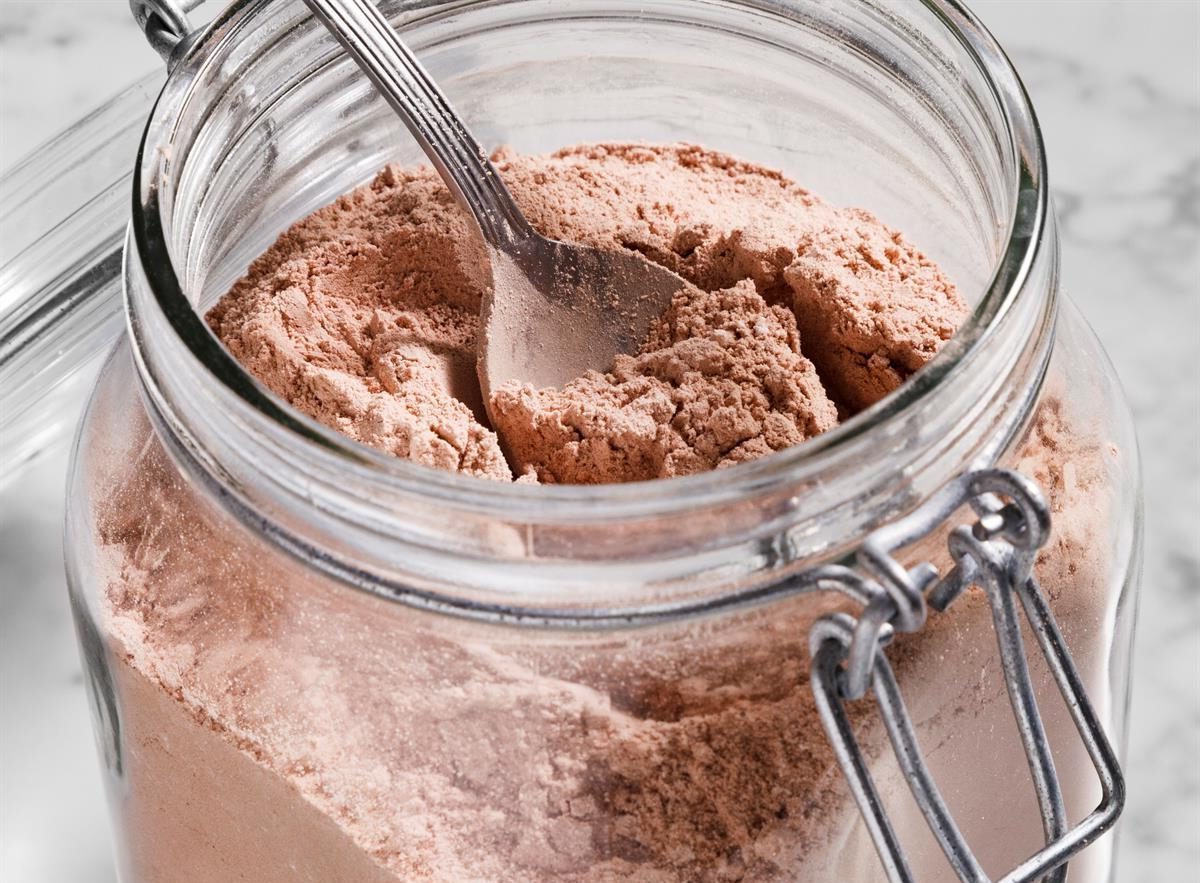
- Hot Cocoa Mix Recipe10 Minutes
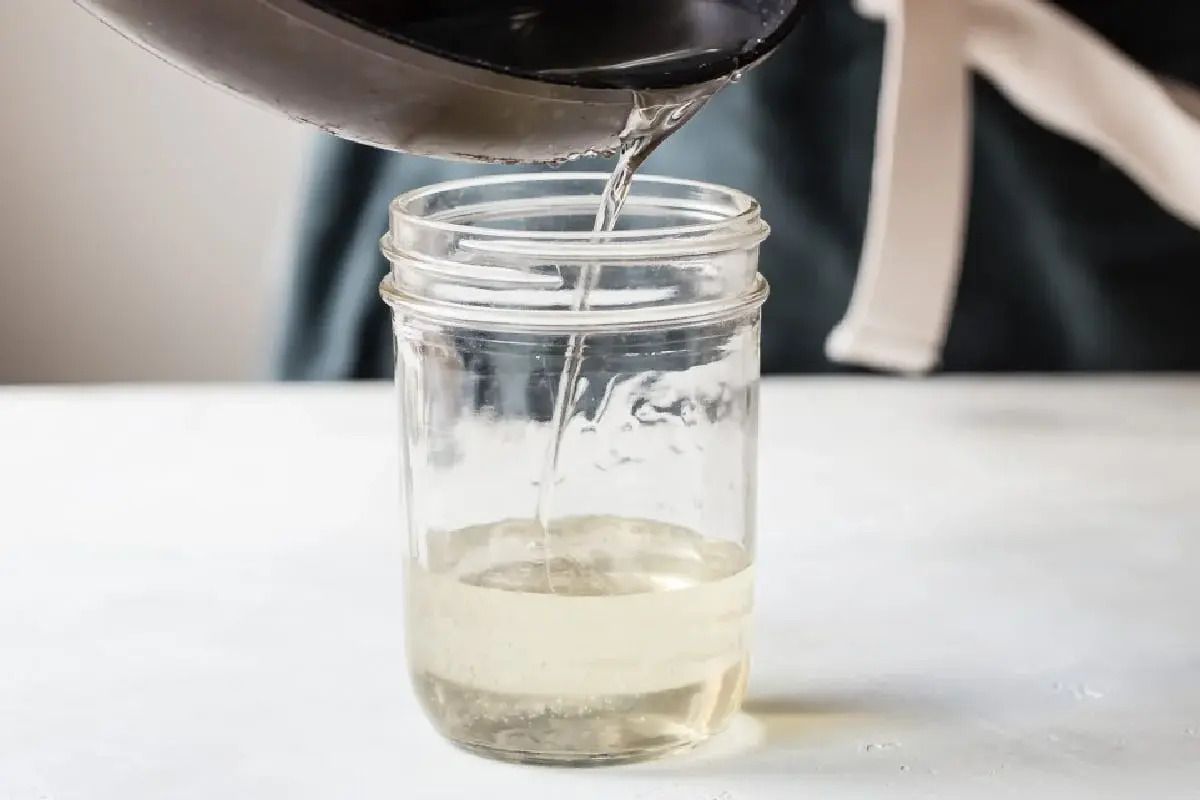
- Simple Syrup Recipe10 Minutes
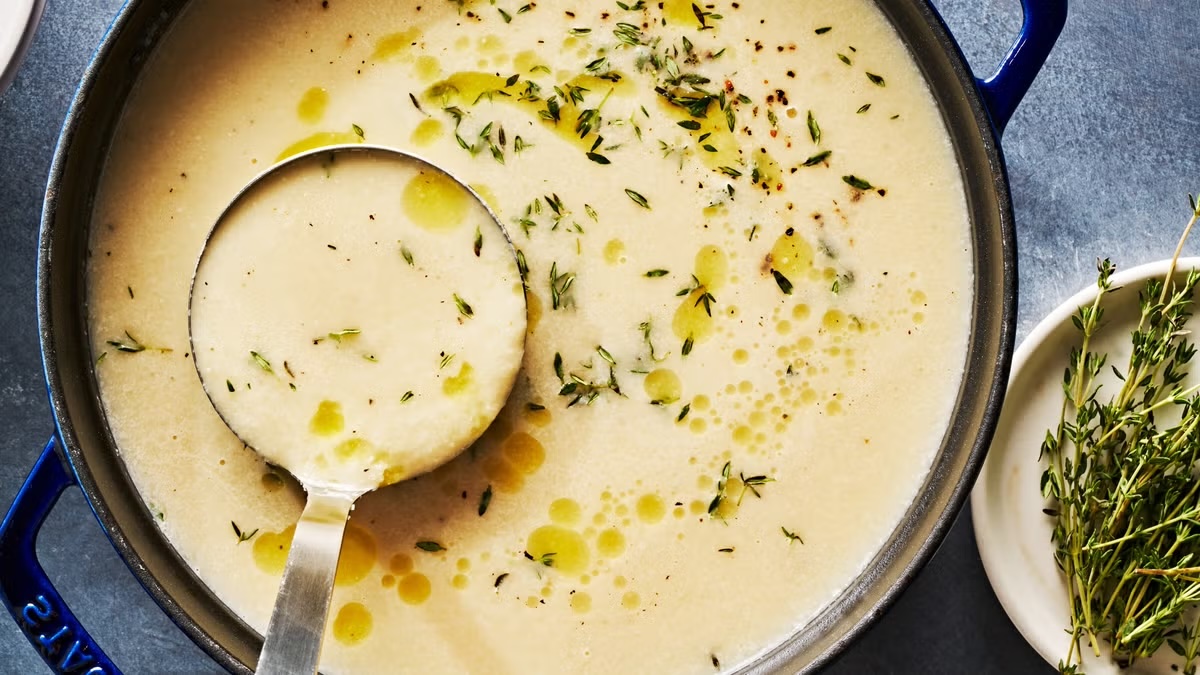
- Cauliflower Soup Recipe30 Minutes
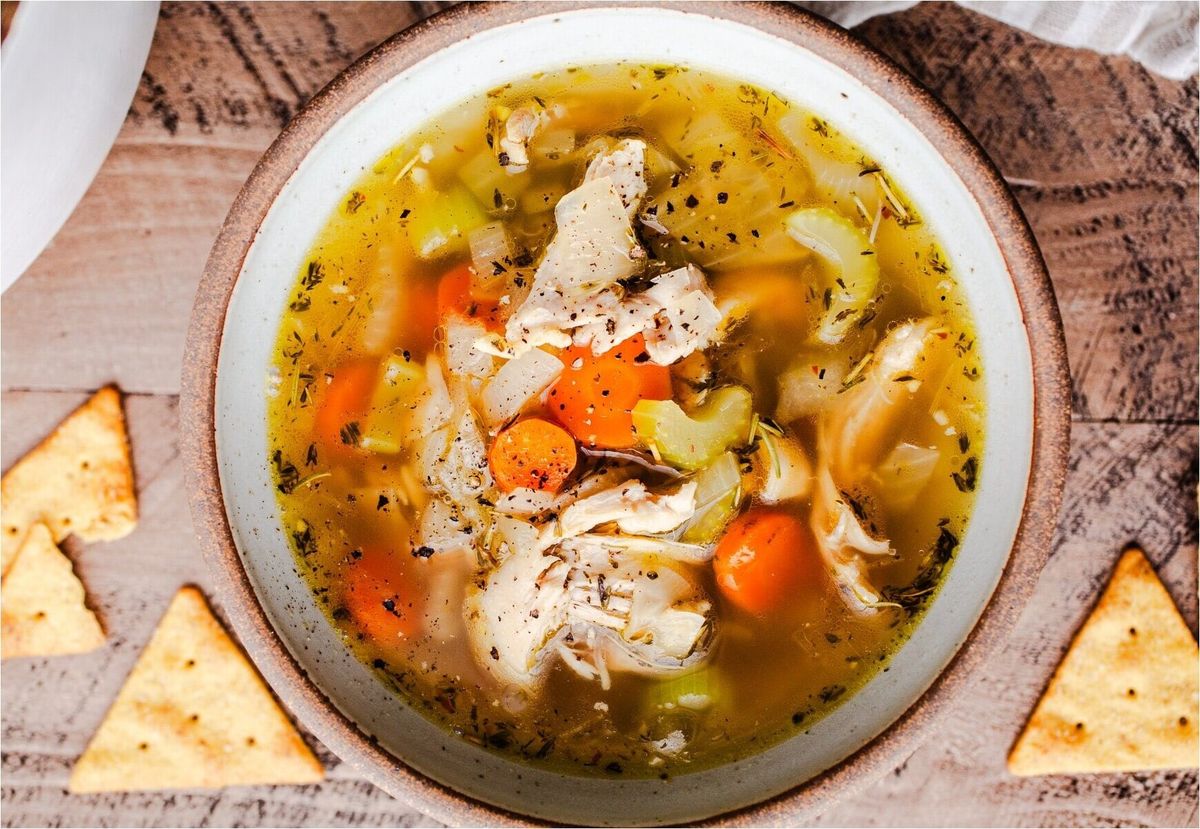
- Gluten-Free Chicken Soup Recipe45 Minutes
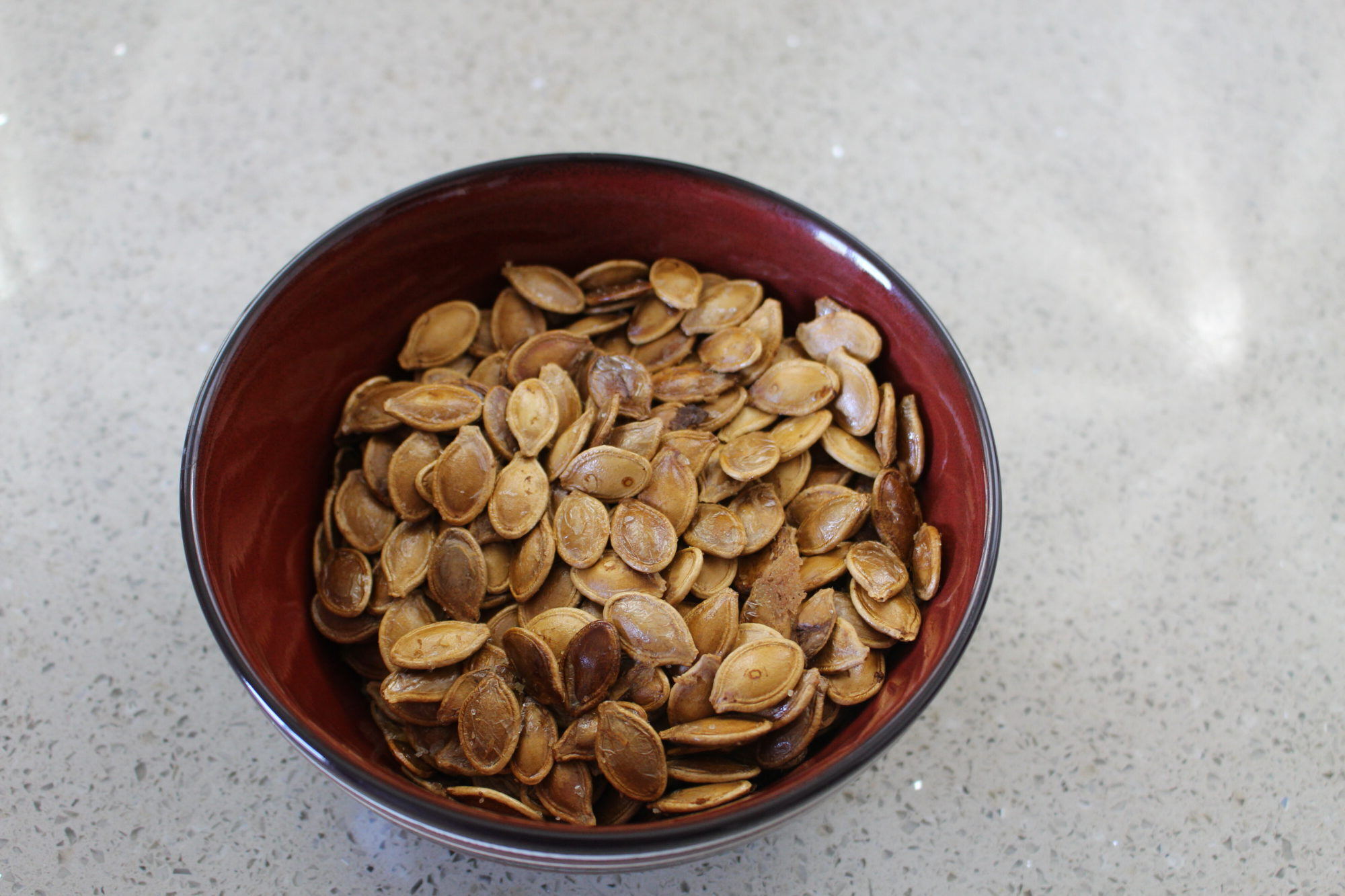
- Toasted Pumpkin Seeds Recipe30 Minutes
- Doughnuts Recipe35 Minutes
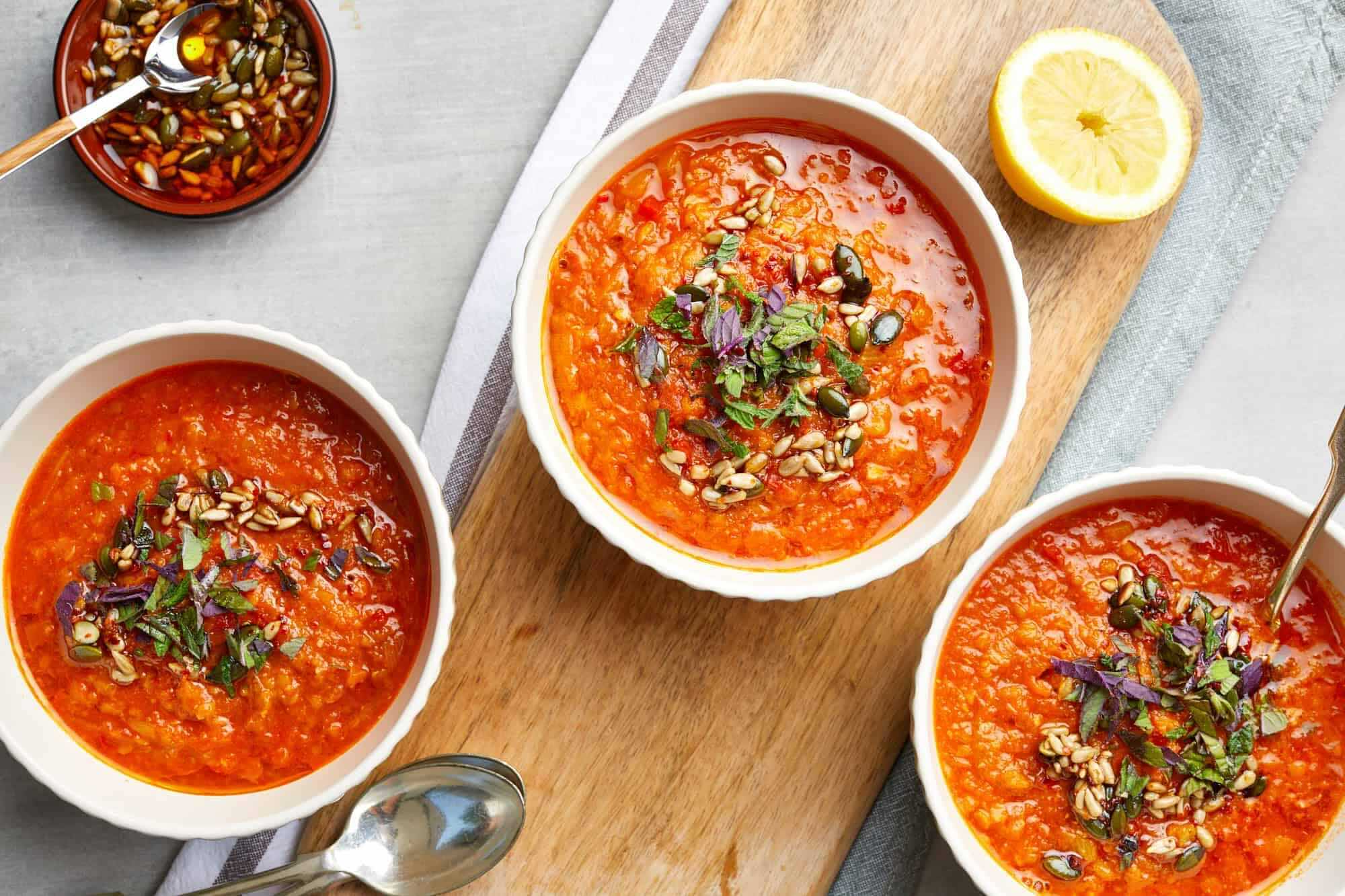
- Turkish Red Lentil Soup Recipe40 Minutes

Leave a Reply