

I love making rolled sugar cookies because they bring back fun memories of baking with family and friends. These cookies are simple to make and perfect for decorating any way you like. I hope you enjoy making them as much as I do!
Most of the ingredients for this recipe are common in many kitchens, like butter, sugar, and flour. When you go to the supermarket, just make sure to get softened butter for the best texture and all-purpose flour, which is easy to find in the baking aisle. Vanilla extract is also a nice touch that adds flavor, but if you don’t have it, you can still make tasty cookies without it.
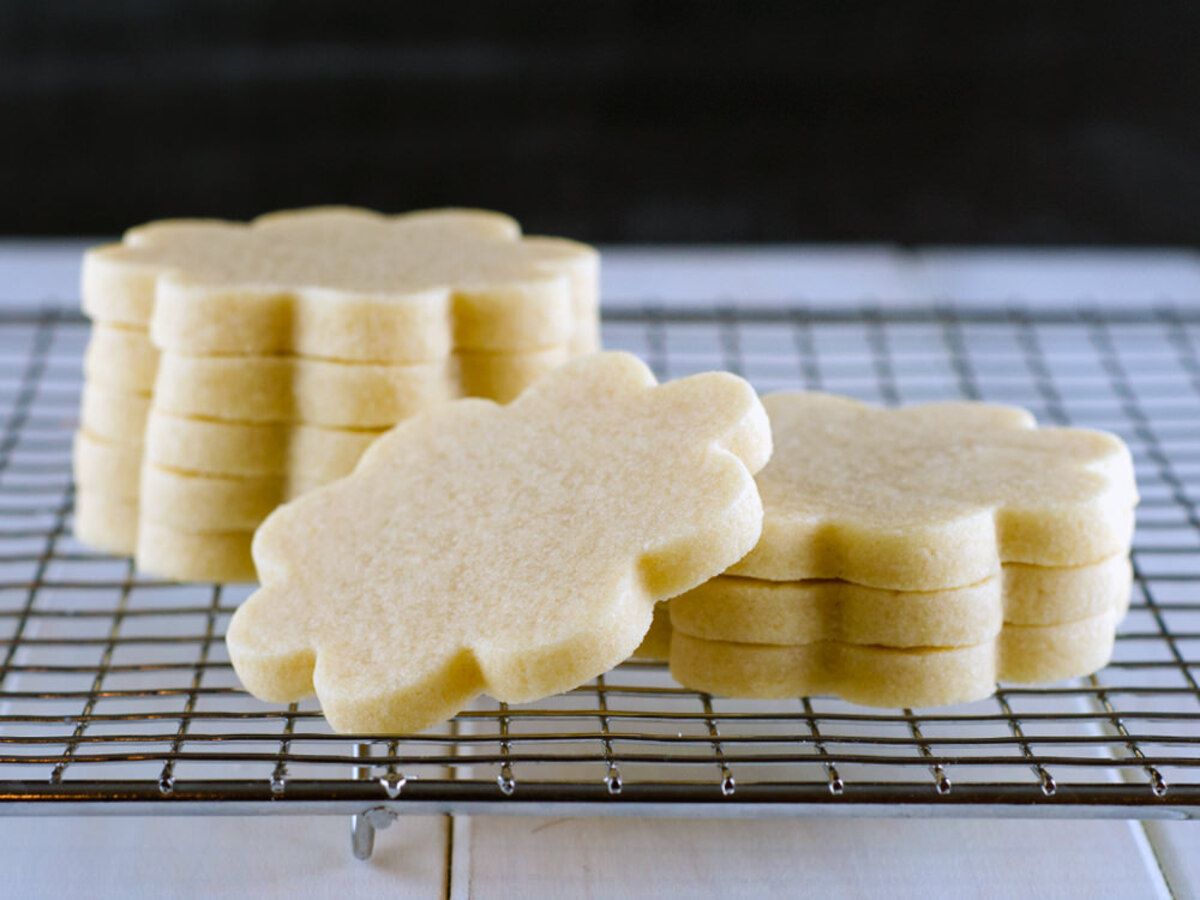
Ingredients For Rolled Sugar Cookies Recipe
Butter: Softened butter helps create a smooth dough and adds richness to the cookies.
Sugar: Sugar sweetens the dough and helps give the cookies a nice texture.
Vanilla extract: Adds a warm, sweet flavor that makes the cookies taste extra special.
Egg: Binds the ingredients together and adds moisture.
Baking powder: Helps the cookies rise slightly and become light.
All-purpose flour: The main dry ingredient that forms the structure of the cookies.
Technique Tip for Making These Cookies
One of the most fun parts of making rolled sugar cookies is rolling out the dough to just the right thickness before cutting out your shapes. Here’s how to do it so your cookies bake evenly and look great:
- First, sprinkle a little flour on your clean surface. This stops the dough from sticking when you roll it out.
- Place your dough ball on the floured surface and sprinkle a bit more flour on top of it.
- Use a rolling pin to gently roll the dough out, turning it a little as you go to keep it even. Aim for about ¼ inch thick—that’s thin enough for the cookies to bake nicely but thick enough to hold their shape.
- If the dough starts sticking to your rolling pin, just dust the pin with a little more flour.
- Once it’s rolled out, press your cookie cutters straight down without twisting. Twisting can make the edges uneven or cause the dough to stick.
Doing this helps your cookies bake evenly, so they’re soft in the middle and a little crisp on the edges. If the dough is too thick, the cookies might stay doughy inside, and if it’s too thin, they can burn or break easily. Rolling it evenly also means your shapes will look perfect and not get all wonky in the oven.
When I first tried this, I didn’t flour my surface enough, and the dough stuck everywhere! It was a mess, and my cookies ended up misshapen. Now, I always keep a little extra flour nearby and sprinkle it as I roll. It makes the whole process smoother and way more fun—plus, the cookies come out looking like little works of art!
Suggested Side Dishes
Alternative Ingredients
butter - Substitute with margarine: Margarine can be used as a non-dairy alternative and provides a similar texture and flavor in baked goods.
butter - Substitute with coconut oil: Coconut oil can replace butter for a dairy-free option, adding a slight coconut flavor and maintaining the cookie's texture.
sugar - Substitute with honey: Honey can be used for a natural sweetener, though it may slightly alter the flavor and moisture content of the cookies.
sugar - Substitute with maple syrup: Maple syrup provides a unique flavor and can be used as a sweetener, but it may change the cookie's texture.
vanilla extract - Substitute with almond extract: Almond extract offers a different flavor profile while still enhancing the cookie's taste.
vanilla extract - Substitute with lemon zest: Lemon zest can add a fresh, citrusy flavor to the cookies as an alternative to vanilla.
egg - Substitute with flaxseed meal: Mix 1 tablespoon of flaxseed meal with 2.5 tablespoons of water to replace an egg, suitable for vegan cookies.
egg - Substitute with applesauce: Use ¼ cup of unsweetened applesauce as an egg substitute to add moisture and a hint of fruitiness to the cookies.
baking powder - Substitute with baking soda and cream of tartar: Use ¼ teaspoon of baking soda and ½ teaspoon of cream of tartar for each teaspoon of baking powder to maintain the cookie's leavening.
baking powder - Substitute with self-rising flour: If using self-rising flour, omit the baking powder as it already contains leavening agents.
all-purpose flour - Substitute with whole wheat flour: Whole wheat flour can be used for a healthier option, though it may result in a denser cookie.
all-purpose flour - Substitute with gluten-free flour blend: A gluten-free flour blend can be used to make the cookies suitable for those with gluten sensitivities, though the texture may vary.
Alternative Recipes Similar to This One
How to Store or Freeze These Cookies
allow the freshly baked cookies to cool completely on wire racks. this ensures they maintain their delightful texture and don't become soggy when stored.
for short-term storage, place the cookies in an airtight container. line the container with parchment paper to prevent sticking and layer the cookies with additional parchment paper if stacking.
keep the container at room temperature, away from direct sunlight or heat sources. this will keep your cookies fresh for up to a week.
for longer storage, consider freezing the cookies. first, arrange them in a single layer on a baking sheet and freeze until solid. this prevents them from sticking together.
once frozen, transfer the cookies to a freezer-safe bag or container. remove as much air as possible to prevent freezer burn, and label with the date for easy tracking.
when you're ready to enjoy, thaw the cookies at room temperature. for a freshly baked taste, pop them in a preheated oven at 300°f (150°c) for a few minutes.
if you prefer to freeze the dough instead, divide it into manageable portions and wrap each in plastic wrap. place the wrapped dough in a freezer-safe bag, removing excess air before sealing.
to use frozen dough, allow it to thaw in the refrigerator overnight. once thawed, roll out and bake as per the original instructions, adding a minute or two to the baking time if needed.
How to Reheat Leftovers
Preheat your oven to 300°F (150°C). Place the cookies on a baking sheet lined with parchment paper. Warm them for about 5 minutes to bring back that fresh-baked aroma and slight crispness.
For a quick fix, use a microwave. Place the cookies on a microwave-safe plate and cover them with a damp paper towel. Heat on medium power for 10-15 seconds. This method softens the cookies but be cautious not to overdo it, as they can become too soft.
If you have an air fryer, set it to 300°F (150°C). Arrange the cookies in a single layer and heat for 2-3 minutes. This method helps maintain their delightful crunch.
Use a toaster oven for a small batch. Set it to 300°F (150°C) and place the cookies on the rack or a small baking sheet. Heat for 3-4 minutes, checking frequently to avoid over-browning.
For a stovetop method, use a skillet over low heat. Place the cookies in the skillet and cover with a lid. Heat for about 2 minutes on each side, which can help restore some of their original texture.
Essential Tools for Making These Cookies
Mixing bowl: A large bowl used to combine ingredients like butter, sugar, egg, and vanilla extract until smooth.
Electric mixer: Helpful for creaming together butter and sugar efficiently and for beating in the egg and vanilla extract.
Measuring cups: Essential for accurately measuring ingredients such as flour and sugar.
Measuring spoons: Used to measure smaller quantities of ingredients like baking powder and vanilla extract.
Rolling pin: Used to roll out the dough to the desired thickness of about ¼ inch.
Cookie cutters: Tools for cutting the rolled-out dough into various shapes.
Baking sheet: A flat sheet used to place the cut-out cookies on for baking in the oven.
Wire racks: Used for cooling the cookies after they are baked to prevent them from becoming soggy.
Oven: The appliance used to bake the cookies at the specified temperature until they are done.
Time-Saving Tips for Making These Cookies
Prepare ingredients in advance: Measure and set out all ingredients like butter, sugar, and flour before starting. This minimizes interruptions.
Use a stand mixer: A stand mixer can quickly cream butter and sugar, saving you from manual mixing.
Chill the dough: If the dough is too soft, chill it for 15 minutes to make rolling easier and faster.
Batch baking: Use multiple baking sheets to prepare more cookies at once, reducing overall baking time.
Pre-cut parchment paper: Line baking sheets with pre-cut parchment paper for easy cleanup and quick transitions between batches.
Rolled Sugar Cookies Recipe
Ingredients
Main Ingredients
- 1 cup butter softened
- 1 cup sugar
- 1 teaspoon vanilla extract
- 1 unit egg
- 2 teaspoon baking powder
- 3 cups all-purpose flour
Instructions
- Preheat oven to 350°F (175°C).
- In a mixing bowl, cream together butter and sugar until smooth.
- Beat in the egg and vanilla extract.
- Combine baking powder with flour and add to the mixture one cup at a time, mixing after each addition.
- Roll out dough on a floured surface to about ¼ inch thick. Cut into shapes with cookie cutters.
- Place cookies on an ungreased baking sheet and bake for 8-10 minutes or until edges are lightly browned.
- Cool on wire racks before decorating.
Nutritional Value
Keywords
Suggested Appetizers and Main Courses
More Amazing Recipes to Try 🙂
- Keto Dressing Recipe10 Minutes
- Teriyaki Chicken Wraps Recipe30 Minutes
- Cold Chicken Macaroni Salad Recipe25 Minutes
- Broccoli Rice Cheese and Chicken Casserole Recipe45 Minutes
- Sweet Sticky and Spicy Chicken Recipe45 Minutes
- Lentil Ham Soup Recipe1 Hours 15 Minutes
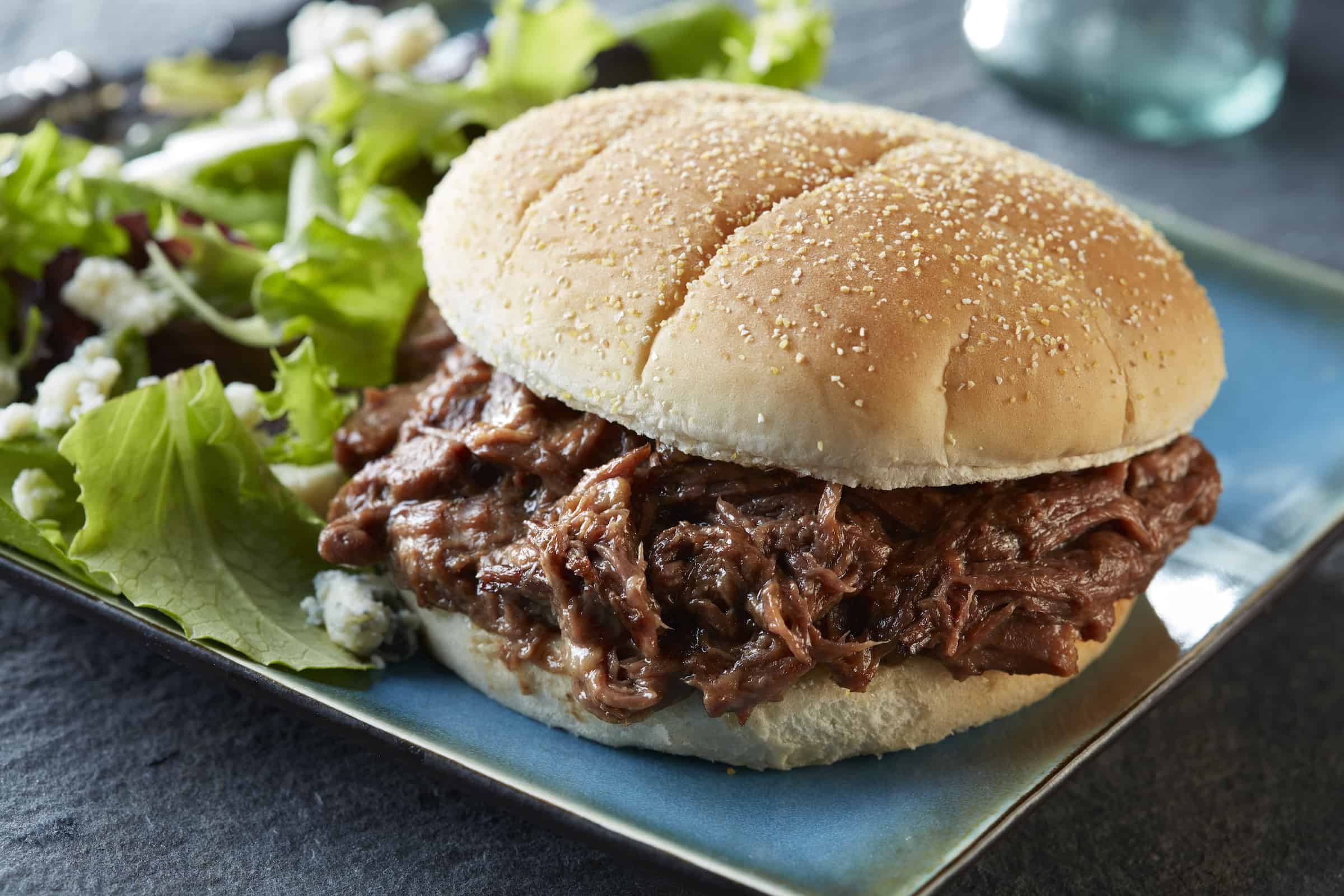
- Hot Beef Sandwiches Recipe30 Minutes
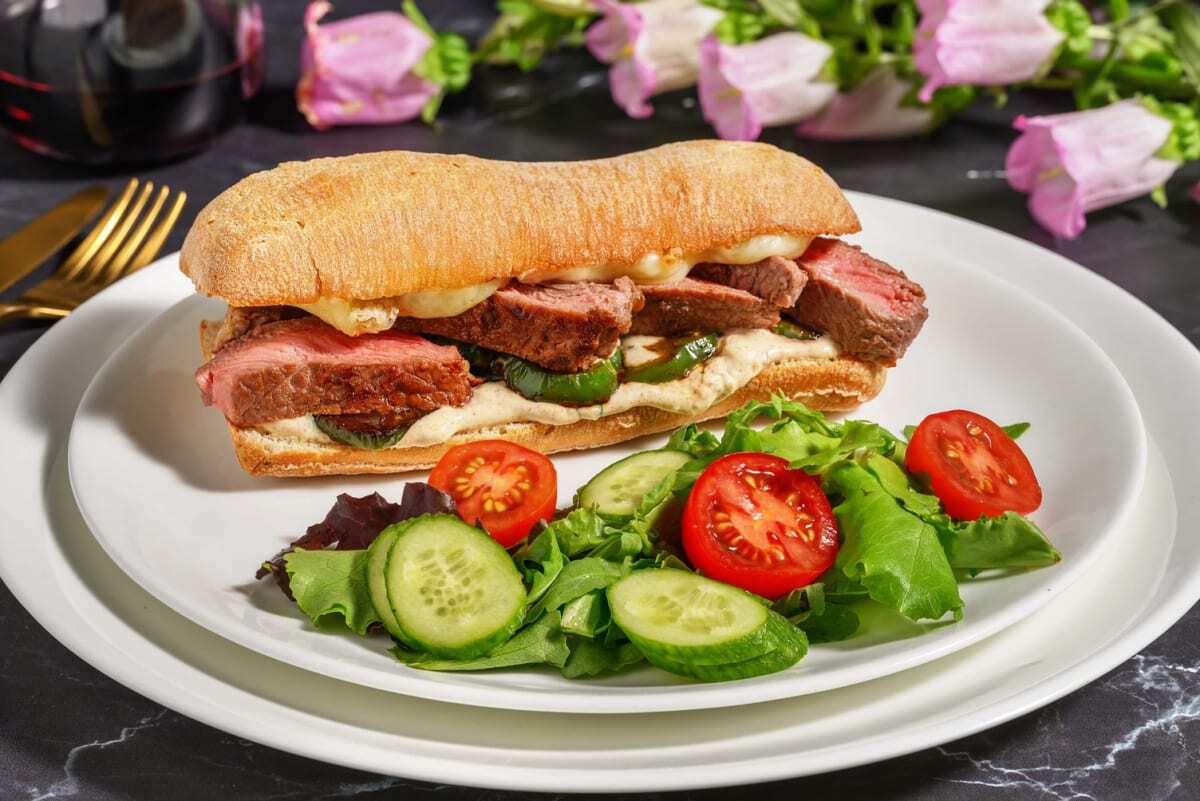
- Mexican Steak Torta Recipe30 Minutes










Leave a Reply