

I love this lemon vinaigrette because it brightens up any salad with fresh, zesty flavors. It’s simple to make and feels like a little burst of sunshine in every bite. I can’t wait for you to try it and see how easy it is to add a fresh twist to your meals.
Most of the ingredients in this recipe are common in many kitchens, but if you don’t have dijon mustard or extra virgin olive oil, you might want to pick them up at the supermarket. Dijon mustard adds a nice tang and helps the dressing come together smoothly, while extra virgin olive oil gives it a rich, fruity flavor. Fresh lemons are best here, so try to find ones that feel heavy for their size—they’ll have the most juice.
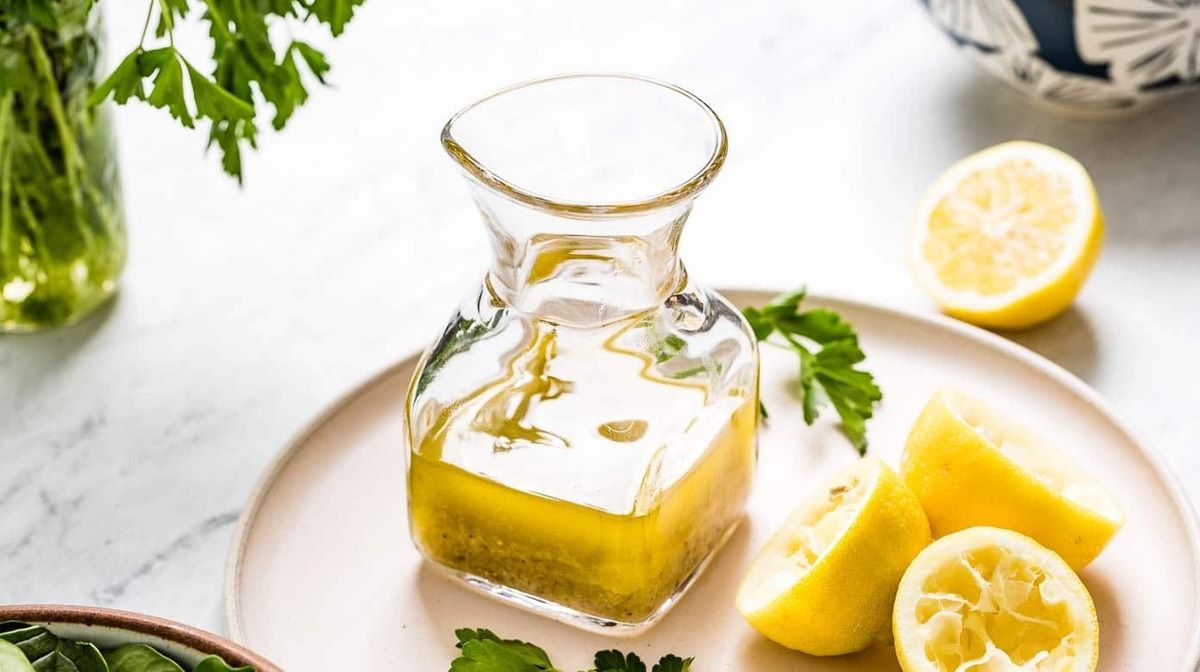
Ingredients For Lemon Vinaigrette Recipe
Lemon juice: Freshly squeezed lemon juice gives the dressing its bright, tangy flavor.
Extra virgin olive oil: This oil adds a smooth, fruity richness and helps balance the acidity.
Dijon mustard: A tangy mustard that helps emulsify the dressing and adds depth.
Garlic: Minced garlic adds a little kick and savory note.
Honey: A touch of sweetness to balance the tartness of the lemon.
Salt and pepper: Seasoning to bring out all the flavors.
Technique Tip for This Recipe
Whisking the olive oil into the lemon juice mixture slowly is a simple trick that makes a big difference in how your vinaigrette turns out. When you add the oil too fast, it can separate and leave you with a greasy dressing instead of a smooth, creamy one. Here’s how to do it step by step:
- Start with your lemon juice, dijon mustard, minced garlic, and honey all mixed together in a bowl.
- Hold your whisk in one hand and the bowl steady with the other.
- Pour the olive oil very slowly, almost drop by drop at first, while whisking constantly.
- As the mixture starts to come together and look thicker, you can pour the oil a little faster but keep whisking without stopping.
- Keep going until all the oil is mixed in and the dressing looks smooth and a bit creamy.
Doing this helps the oil and lemon juice blend well, which is called emulsifying. When your dressing is emulsified, it tastes better because the flavors mix evenly, and it coats your salad nicely instead of just sliding off.
I remember the first time I tried making a lemon vinaigrette, I dumped all the oil in at once and ended up with a messy, oily bowl. It was frustrating! After I learned to add the oil slowly while whisking, my dressing looked and tasted so much better. Now, I even like to use a small whisk because it’s easier to control the mixing. Give it a try—you’ll see how much smoother your dressing becomes!
Suggested Side Dishes
Alternative Ingredients
fresh lemon juice - Substitute with lime juice: Lime juice has a similar acidity and citrus flavor, making it a good alternative to lemon juice.
fresh lemon juice - Substitute with white wine vinegar: White wine vinegar provides acidity and a mild flavor that can mimic the tanginess of lemon juice.
extra virgin olive oil - Substitute with avocado oil: Avocado oil has a similar healthy fat profile and a mild flavor that works well in dressings.
extra virgin olive oil - Substitute with grapeseed oil: Grapeseed oil is neutral in flavor and can be used as a base for vinaigrettes.
dijon mustard - Substitute with whole grain mustard: Whole grain mustard has a similar tangy flavor and can add texture to the vinaigrette.
dijon mustard - Substitute with yellow mustard: Yellow mustard is milder but can still provide the necessary tang and emulsifying properties.
garlic, minced - Substitute with garlic powder: Garlic powder can be used when fresh garlic is unavailable, though it is less pungent.
garlic, minced - Substitute with shallots, minced: Shallots offer a mild garlic-like flavor with a hint of sweetness.
honey - Substitute with maple syrup: Maple syrup provides sweetness and a unique flavor that complements the vinaigrette.
honey - Substitute with agave nectar: Agave nectar is a vegan-friendly sweetener with a similar consistency to honey.
salt - Substitute with soy sauce: Soy sauce adds saltiness along with a depth of umami flavor.
pepper - Substitute with cayenne pepper: Cayenne pepper adds heat and a different kind of spice to the vinaigrette.
Alternative Recipes Similar to This
How to Store or Freeze This Recipe
To keep your lemon vinaigrette fresh and vibrant, store it in an airtight container or a glass jar with a tight-fitting lid. This will help preserve the flavors and prevent any unwanted odors from seeping in.
Place the container in the refrigerator. The cool temperature will maintain the freshness of the lemon juice and olive oil blend, ensuring your dressing remains delightful for up to a week.
Before using, give the vinaigrette a good shake or whisk. The ingredients may separate over time, with the olive oil rising to the top. A quick mix will bring everything back together, restoring its creamy consistency.
If you find yourself with an abundance of this zesty dressing, consider freezing it for future use. Pour the vinaigrette into an ice cube tray, filling each compartment about three-quarters full. This allows room for expansion as it freezes.
Once frozen solid, transfer the vinaigrette cubes into a resealable freezer bag or container. Label it with the date to keep track of its freshness. These cubes can be stored in the freezer for up to three months.
When you're ready to enjoy your lemon vinaigrette again, simply take out the desired number of cubes and let them thaw in the refrigerator. Alternatively, you can place them in a bowl at room temperature for a quicker defrost.
For a burst of flavor, use these vinaigrette cubes to dress up a fresh salad, drizzle over grilled vegetables, or even as a marinade for chicken or fish. The possibilities are endless with this versatile dressing.
How to Reheat Leftovers
Gently warm the lemon vinaigrette in a small saucepan over low heat. Stir occasionally to ensure even heating and prevent the olive oil from separating. This method preserves the fresh flavors of the lemon juice and garlic.
Place the vinaigrette in a heatproof bowl and set it over a pot of simmering water, creating a double boiler effect. This gentle method helps maintain the emulsion and prevents overheating, which could alter the taste.
For a quick option, microwave the vinaigrette in a microwave-safe container at a low power setting for short intervals, stirring in between. This ensures the dressing warms evenly without breaking the emulsion.
If you prefer a cold dressing, simply let the vinaigrette sit at room temperature for about 15-20 minutes. This allows the flavors to meld and the olive oil to return to its liquid state if it has solidified in the fridge.
To refresh the flavors, whisk in a splash of fresh lemon juice or a pinch of dijon mustard before serving. This can enhance the brightness and tanginess of the dressing after reheating.
Essential Tools for This Recipe
Mixing bowl: A mixing bowl is essential for combining the lemon juice, Dijon mustard, minced garlic, and honey. It provides ample space for whisking the ingredients together.
Whisk: A whisk is used to blend the ingredients smoothly and to emulsify the dressing as you slowly add the olive oil.
Measuring cups: Measuring cups are necessary to accurately measure the lemon juice and olive oil, ensuring the right balance of flavors.
Measuring spoons: Measuring spoons help in precisely measuring the Dijon mustard, honey, salt, and pepper.
Garlic press: A garlic press can be used to efficiently mince the garlic, ensuring it is finely chopped and evenly distributed in the dressing.
Citrus juicer: A citrus juicer assists in extracting fresh lemon juice from the lemons, maximizing the juice yield with minimal effort.
Time-Saving Tips for This Recipe
Pre-measure ingredients: Measure and prepare all ingredients like lemon juice, olive oil, and dijon mustard in advance to streamline the process.
Use a jar: Combine all ingredients in a jar, seal it, and shake vigorously for quick emulsification.
Minced garlic hack: Use pre-minced garlic or a garlic press to save time on chopping.
Batch preparation: Make a larger batch of lemon vinaigrette and store it in the fridge for up to a week for future use.
Salt and pepper: Keep salt and pepper in easy-to-use shakers for quick seasoning adjustments.
Lemon Vinaigrette Recipe
Ingredients
Main Ingredients
- ¼ cup fresh lemon juice about 2 lemons
- ½ cup extra virgin olive oil
- 1 teaspoon Dijon mustard
- 1 clove garlic, minced
- 1 teaspoon honey
- to taste salt and pepper
Instructions
- In a bowl, whisk together lemon juice, Dijon mustard, minced garlic, and honey.
- Slowly add the olive oil while whisking continuously until the dressing is emulsified.
- Season with salt and pepper to taste.
Nutritional Value
Keywords
More Amazing Recipes to Try 🙂
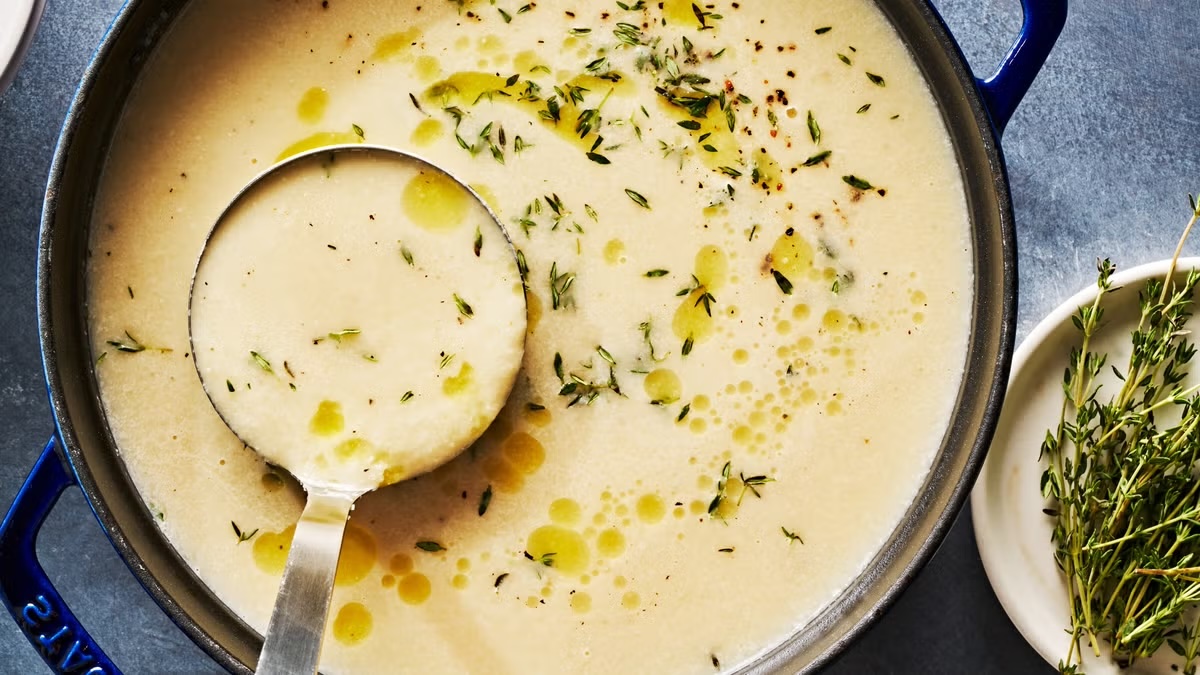
- Cauliflower Soup Recipe30 Minutes
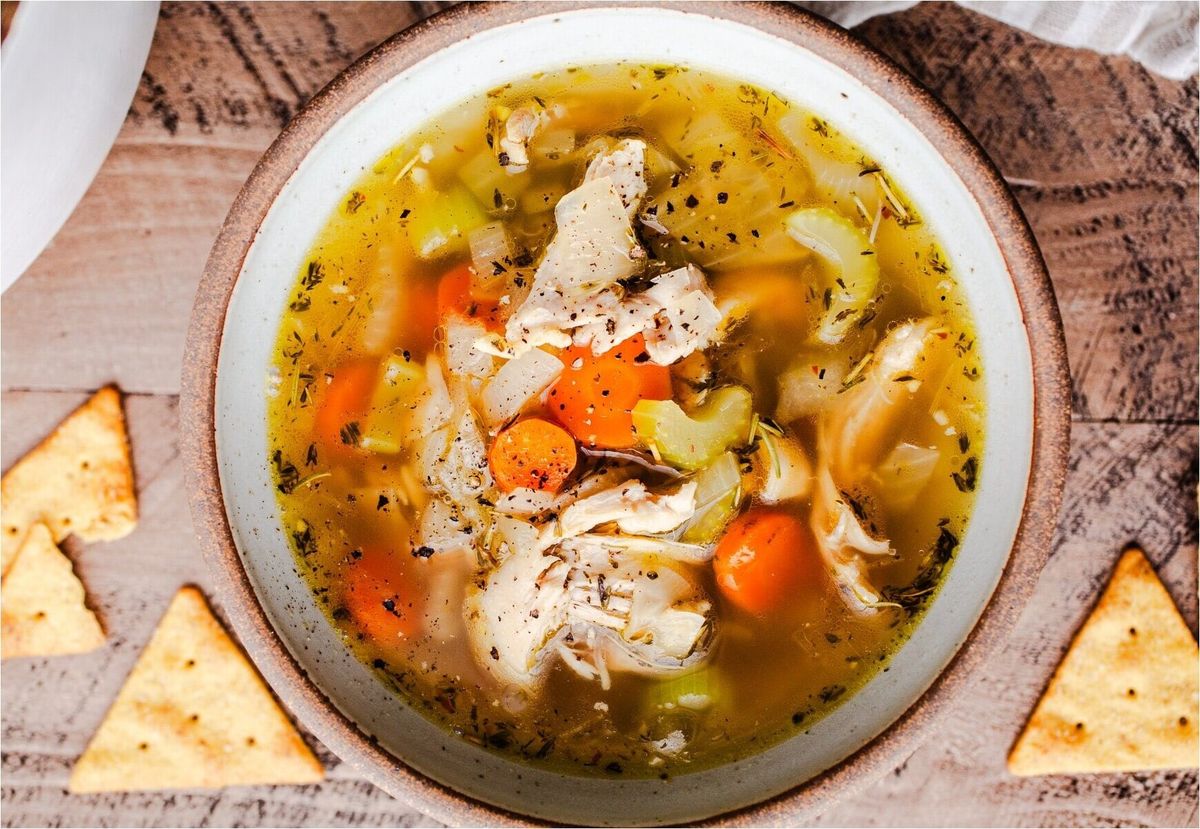
- Gluten-Free Chicken Soup Recipe45 Minutes
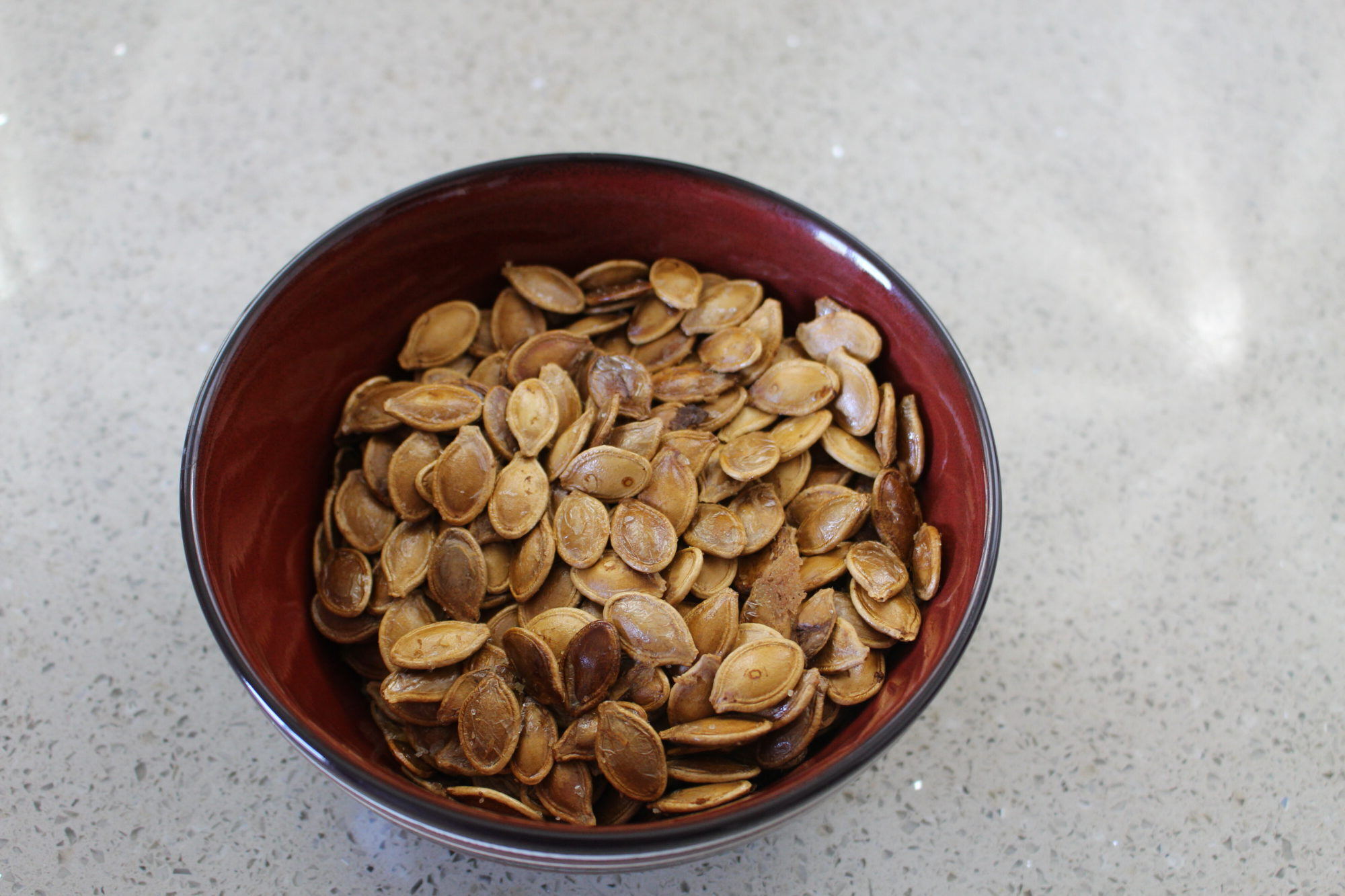
- Toasted Pumpkin Seeds Recipe30 Minutes
- Doughnuts Recipe35 Minutes
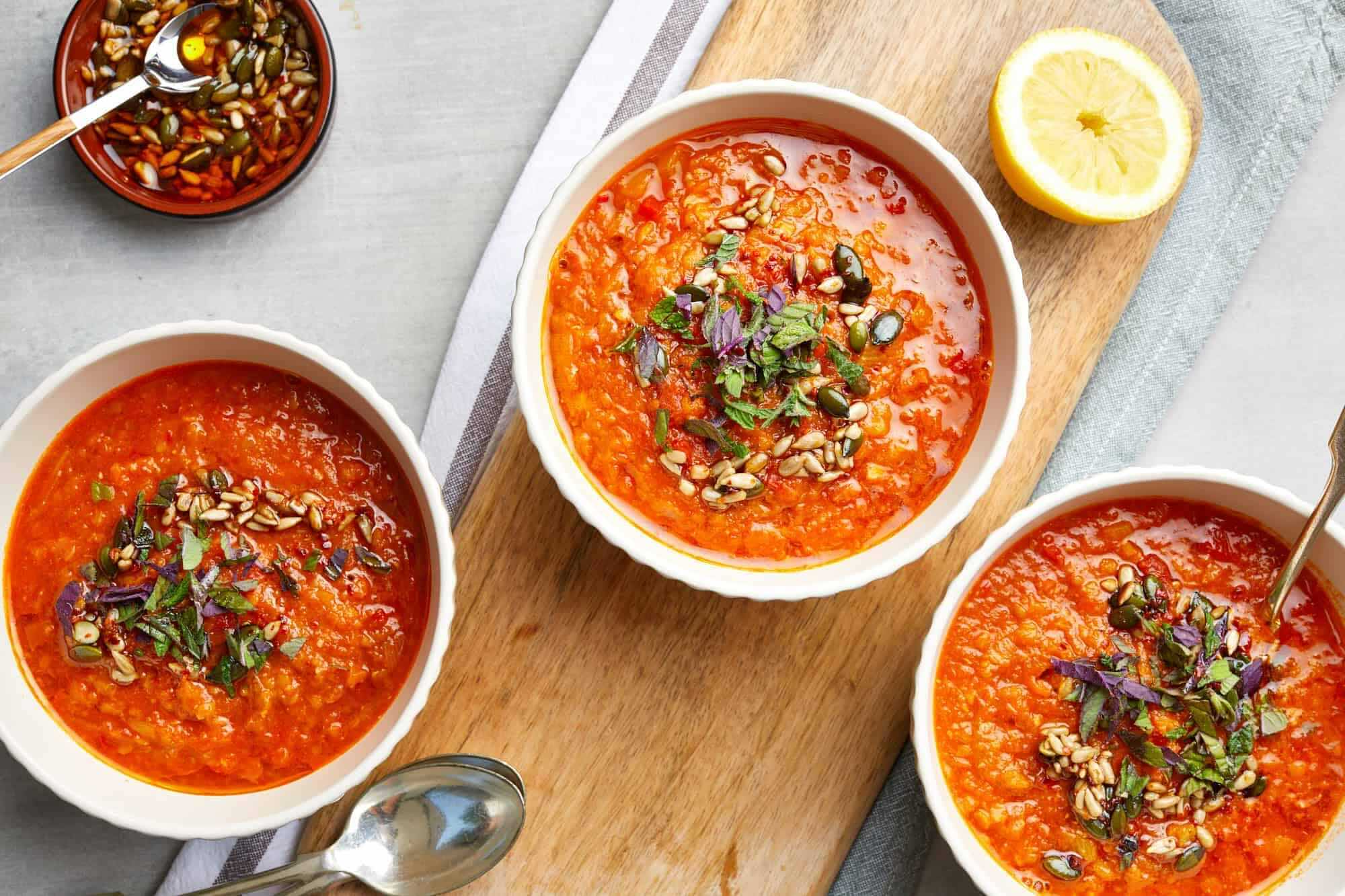
- Turkish Red Lentil Soup Recipe40 Minutes
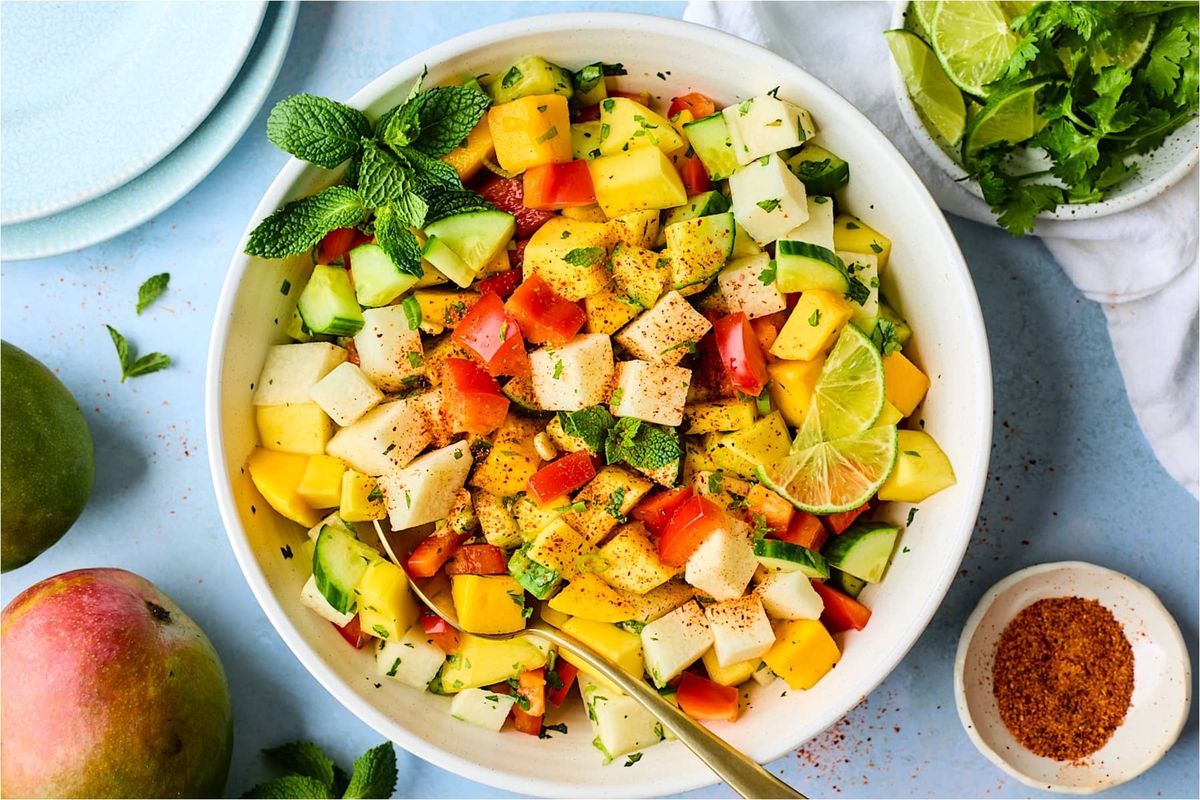
- Mango Salad Recipe15 Minutes
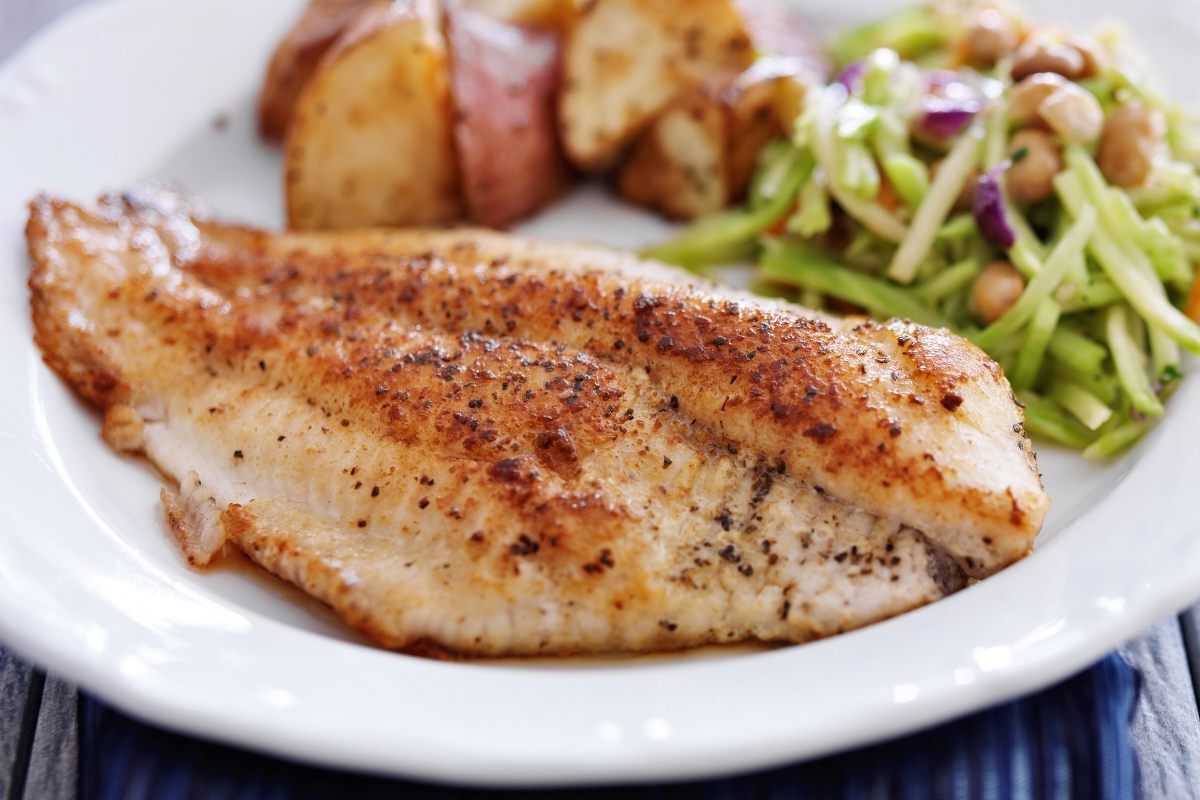
- Seasoned Swai Fish Fillet Recipe25 Minutes
- Birria Quesa Tacos Recipe4 Hours 30 Minutes


Leave a Reply