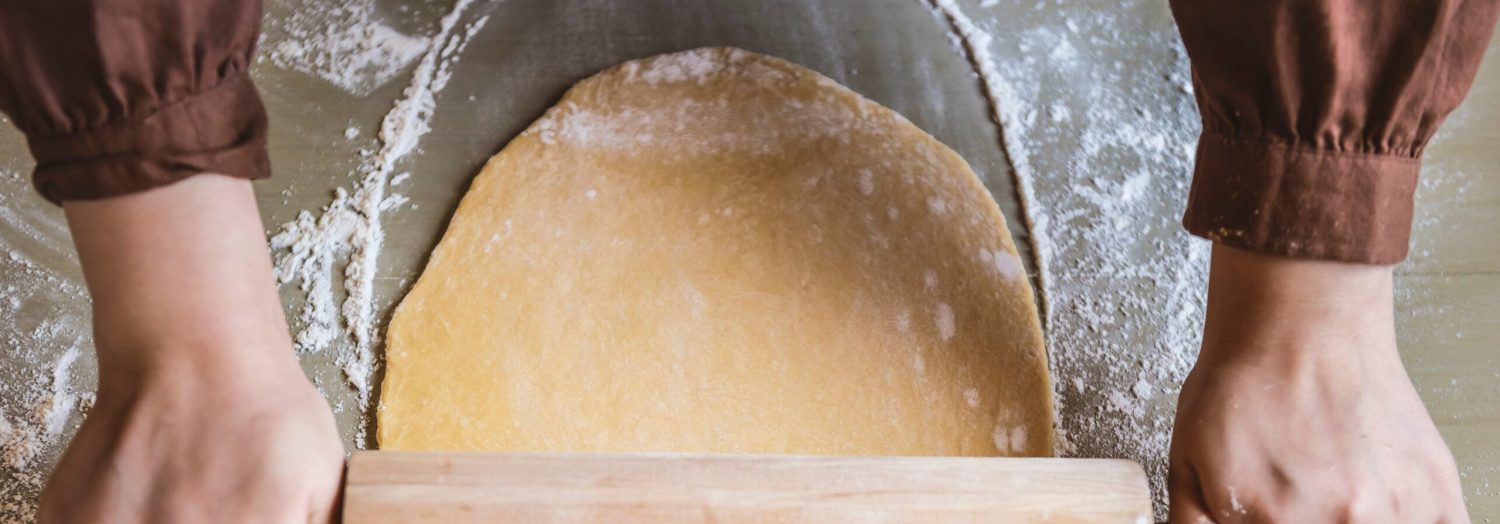

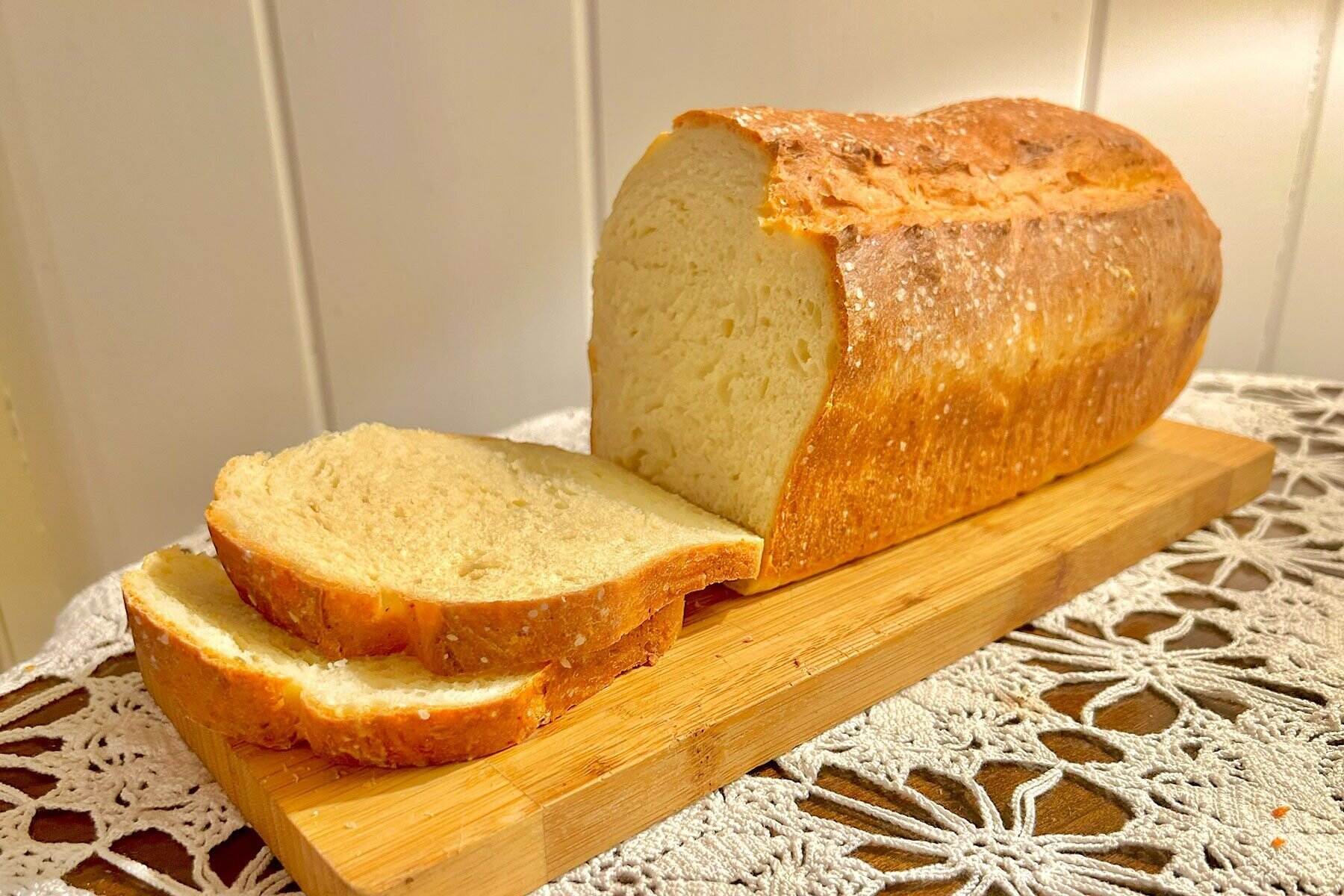
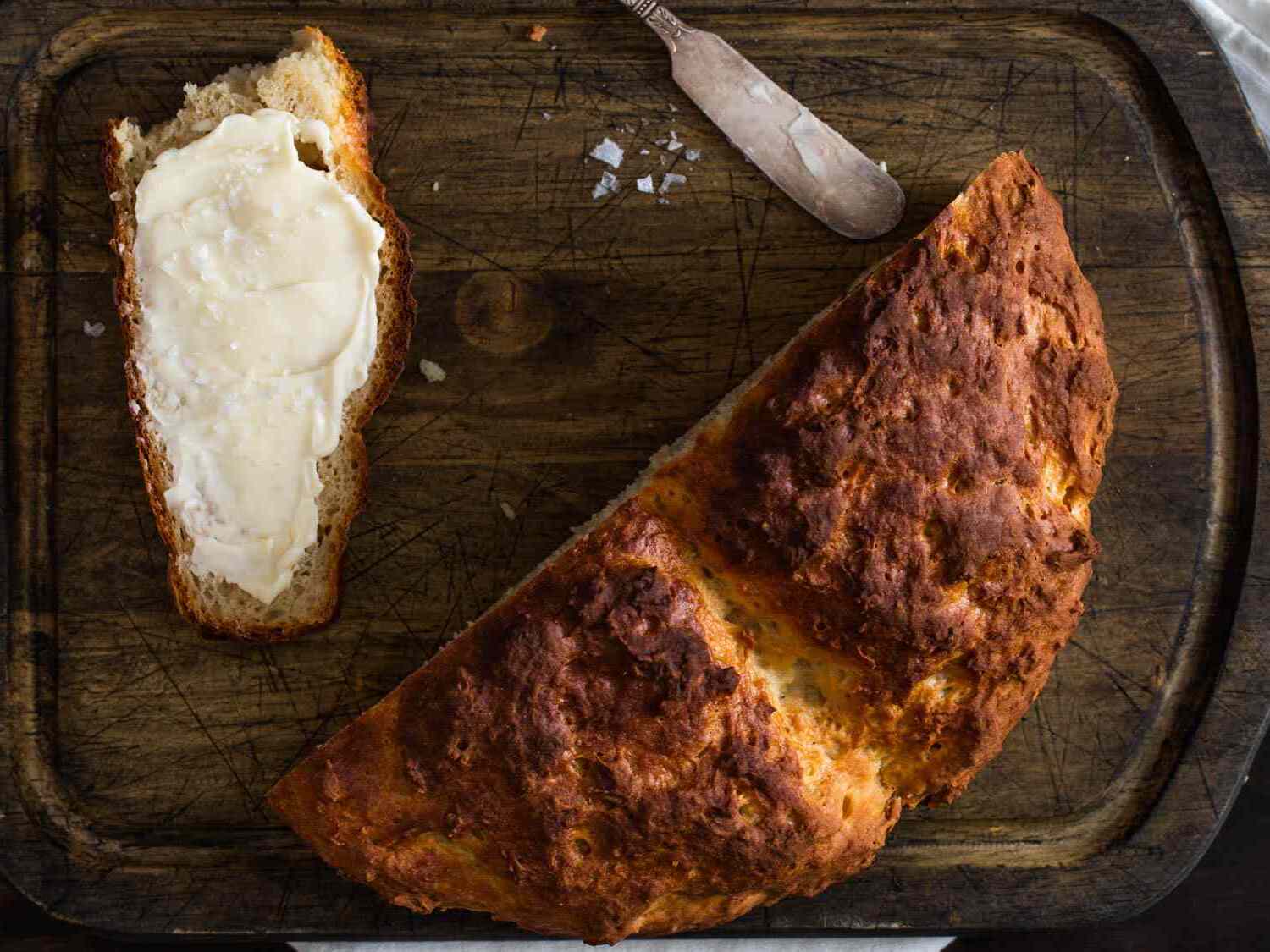
There's something truly magical about the aroma of freshly baked baguettes wafting through your kitchen. This classic French bread, with its crisp crust and soft, airy interior, is a staple in many households. Whether you're enjoying it with a spread of butter, a slice of cheese, or simply on its own, a homemade baguette is a delightful treat.
The ingredients for this recipe are quite basic and should be easy to find in most supermarkets. However, make sure to use active dry yeast rather than instant yeast, as it requires a bit of warm water to activate. Also, ensure your all-purpose flour is fresh for the best results.
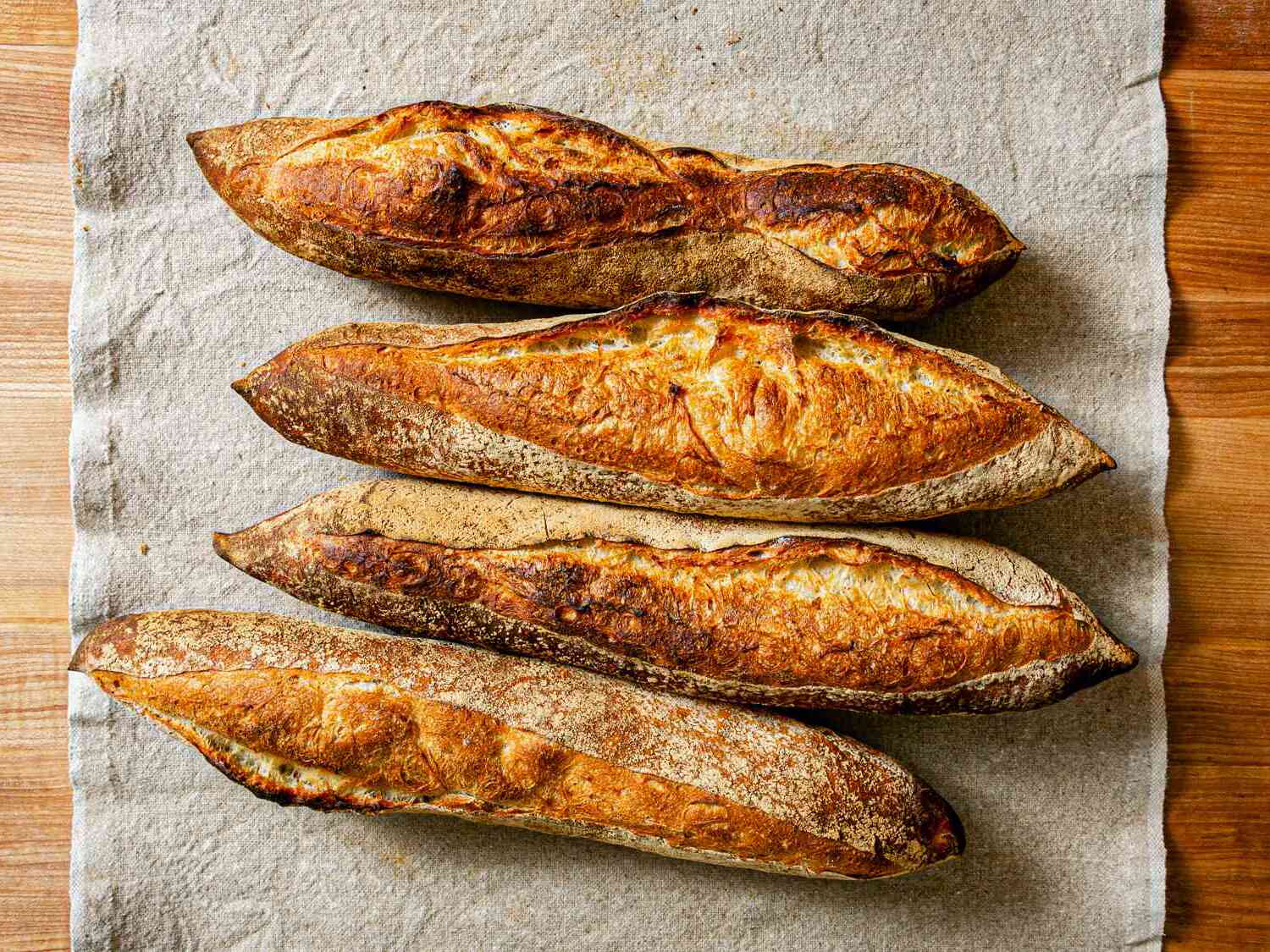
Ingredients for French Baguettes Recipe
All-purpose flour: The main ingredient for the dough, providing structure and texture.
Warm water: Activates the yeast and helps form the dough.
Active dry yeast: Leavens the dough, making it rise and giving it a light texture.
Salt: Enhances the flavor of the bread.
Technique Tip for This Recipe
When shaping the baguettes, make sure to gently deflate the dough to remove any large air bubbles. This helps in achieving a uniform crumb structure. Roll the dough into a rectangle, then fold it over itself lengthwise, pinching the seam to seal. This technique ensures a tight gluten structure, which is essential for the classic baguette shape and texture.
Suggested Side Dishes
Alternative Ingredients
all-purpose flour - Substitute with bread flour: Bread flour has a higher protein content which can give the baguette a chewier texture and better structure.
all-purpose flour - Substitute with whole wheat flour: Whole wheat flour adds a nutty flavor and more nutrients, though it may make the baguette denser.
110°f warm water - Substitute with room temperature water: If you have more time, room temperature water can be used, but the dough will take longer to rise.
active dry yeast - Substitute with instant yeast: Instant yeast can be mixed directly with the dry ingredients and does not need to be activated in water first.
active dry yeast - Substitute with fresh yeast: Fresh yeast can be used but you will need to use about twice the amount compared to active dry yeast.
salt - Substitute with kosher salt: Kosher salt can be used in the same quantity, but it may have a slightly different texture and flavor.
salt - Substitute with sea salt: Sea salt can add a different mineral content and flavor profile to the baguette.
Other Alternative Recipes Similar to This
How to Store / Freeze Your Baguettes
Allow the baguettes to cool completely at room temperature. This prevents condensation from forming inside the storage container, which can make the bread soggy.
For short-term storage, wrap the baguettes in a clean kitchen towel or paper bag. This helps maintain the crust's crispness for up to two days. Avoid using plastic bags, as they trap moisture and soften the crust.
If you need to store the baguettes for a longer period, consider freezing them. First, wrap each baguette tightly in aluminum foil to protect it from freezer burn.
Place the wrapped baguettes in a resealable plastic freezer bag. Squeeze out as much air as possible before sealing to prevent ice crystals from forming.
Label the freezer bag with the date to keep track of how long the baguettes have been stored. They can be frozen for up to three months without significant loss of quality.
When ready to enjoy, remove a baguette from the freezer and let it thaw at room temperature for a few hours. For a quicker option, you can also thaw it in the refrigerator overnight.
To refresh the crust, preheat your oven to 350°f (175°c). Place the thawed baguette directly on the oven rack and bake for 10-15 minutes. This will restore its crispy exterior and warm, soft interior.
If you have leftover slices, you can also freeze them individually. Lay the slices on a baking sheet in a single layer and freeze until solid. Then, transfer the frozen slices to a resealable plastic freezer bag.
For reheating frozen slices, pop them in the toaster or warm them in a preheated oven at 350°f (175°c) for a few minutes until they are heated through and crispy.
Always store baguettes in a cool, dry place away from direct sunlight and heat sources. This helps maintain their freshness and prevents mold growth.
How to Reheat Leftovers
Preheat your oven to 350°F (175°C). Lightly spritz the baguette with water to create steam, which helps to revive the crust. Place the baguette directly on the oven rack or on a baking sheet and heat for about 10 minutes until it’s warm and crispy.
For a quick fix, wrap the baguette in aluminum foil and place it in a preheated oven at 300°F (150°C) for 10-15 minutes. This method helps to retain moisture inside the bread while warming it up.
If you’re in a hurry, you can use a microwave. Wrap the baguette in a damp paper towel and microwave on medium power for 30 seconds to 1 minute. Be cautious, as microwaving can make the bread chewy if overdone.
For a stovetop method, heat a skillet over medium heat. Lightly brush the baguette with olive oil or butter and place it in the skillet. Cover with a lid and heat for 2-3 minutes on each side until it’s warmed through and has a slightly crispy exterior.
If you have a toaster oven, preheat it to 350°F (175°C). Place the baguette inside and toast for 5-7 minutes until it’s warm and the crust is crispy.
For a more gourmet touch, slice the baguette and spread a thin layer of garlic butter or herb butter on each slice. Place the slices on a baking sheet and broil on high for 2-3 minutes until the edges are golden and crispy.
Best Tools for This Recipe
Mixing bowl: A large mixing bowl is essential for combining the flour, yeast, and salt, and for mixing the dough.
Measuring cups: Accurate measuring cups are necessary to measure out the flour and water precisely.
Measuring spoons: Use measuring spoons to measure the yeast and salt accurately.
Wooden spoon: A wooden spoon is useful for mixing the dough initially before kneading.
Floured surface: A floured surface is needed for kneading the dough to prevent it from sticking.
Greased bowl: Place the dough in a greased bowl to let it rise without sticking to the sides.
Plastic wrap or kitchen towel: Cover the dough with plastic wrap or a kitchen towel to keep it from drying out while it rises.
Baking sheet: Shape the dough into baguettes and place them on a baking sheet for baking.
Oven: Preheat the oven to 450°F (230°C) for baking the baguettes.
Cooling rack: After baking, place the baguettes on a cooling rack to cool down and prevent them from becoming soggy.
How to Save Time on Making Baguettes
Prepare ingredients in advance: Measure out flour, yeast, and salt the night before to save time.
Use a stand mixer: Instead of kneading by hand, use a stand mixer with a dough hook to mix and knead the dough.
Warm environment for rising: Place the dough in a warm spot or use the oven's proofing setting to speed up the rising process.
Preheat the oven early: Start preheating the oven while shaping the baguettes to ensure it's ready to go.
Shape quickly: Practice shaping the baguettes to become more efficient and save time.
French Baguettes Recipe
Ingredients
Main Ingredients
- 3 ½ cups All-purpose flour
- 1 ½ cups Warm water 110°F
- 2 ¼ teaspoon Active dry yeast
- 2 teaspoon Salt
Instructions
- In a large mixing bowl, combine the flour, yeast, and salt.
- Gradually add warm water and mix until a dough forms.
- Knead the dough on a floured surface for about 10 minutes.
- Place the dough in a greased bowl, cover, and let it rise for 1 hour or until doubled in size.
- Preheat the oven to 450°F (230°C).
- Shape the dough into baguettes and place them on a baking sheet.
- Bake for 20-25 minutes or until golden brown.
Nutritional Value
Keywords
More Amazing Recipes to Try 🙂
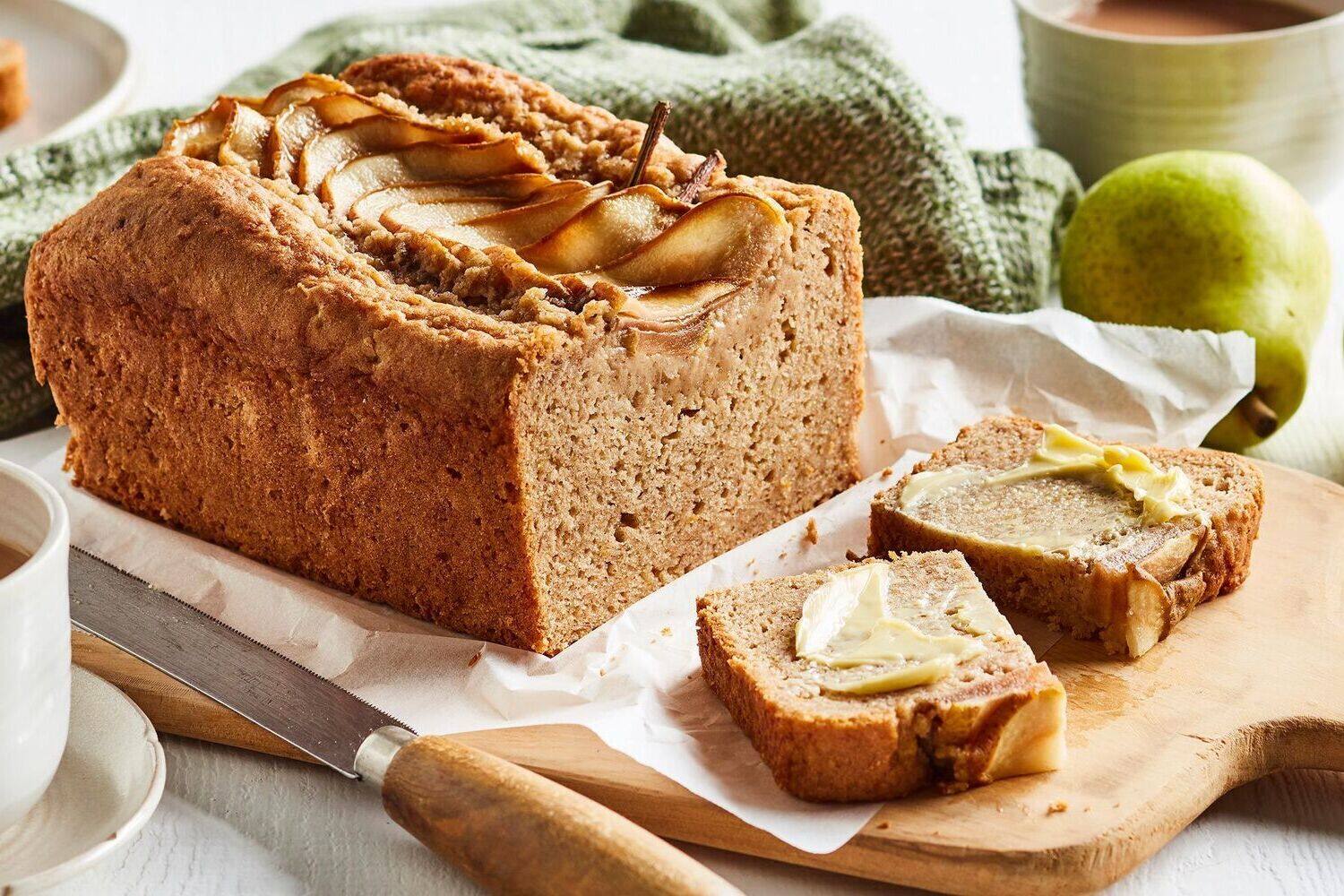
- Pear Bread Recipe1 Hours 15 Minutes
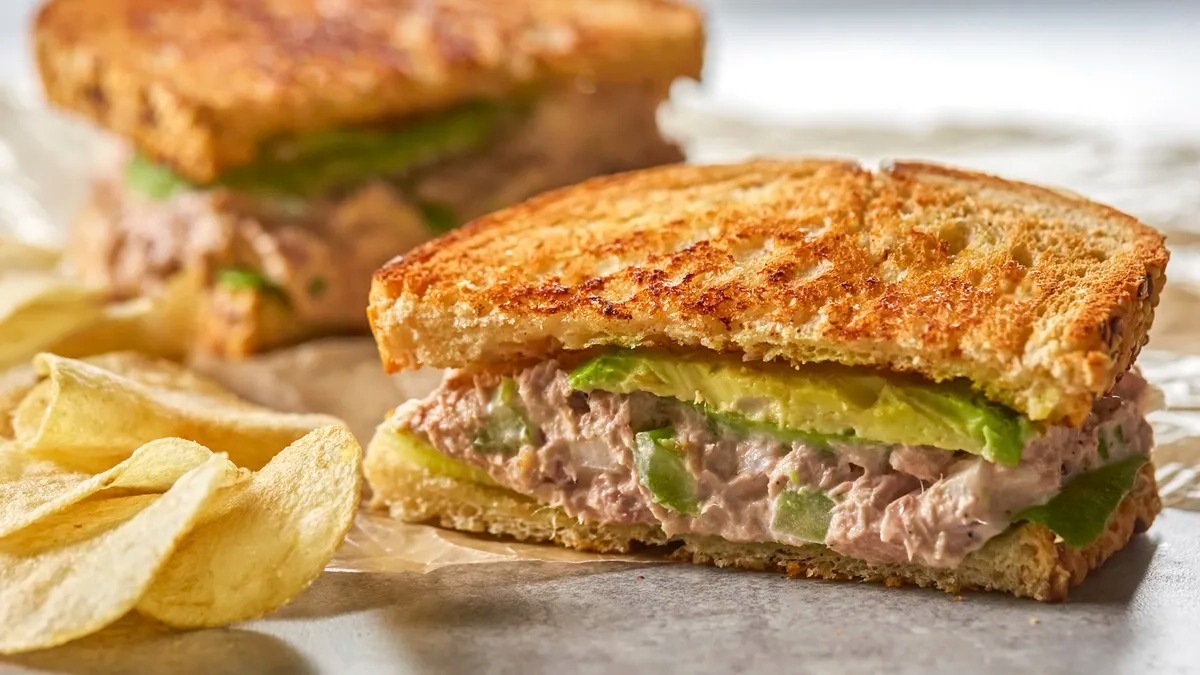
- Spicy Tuna Fish Sandwich Recipe10 Minutes
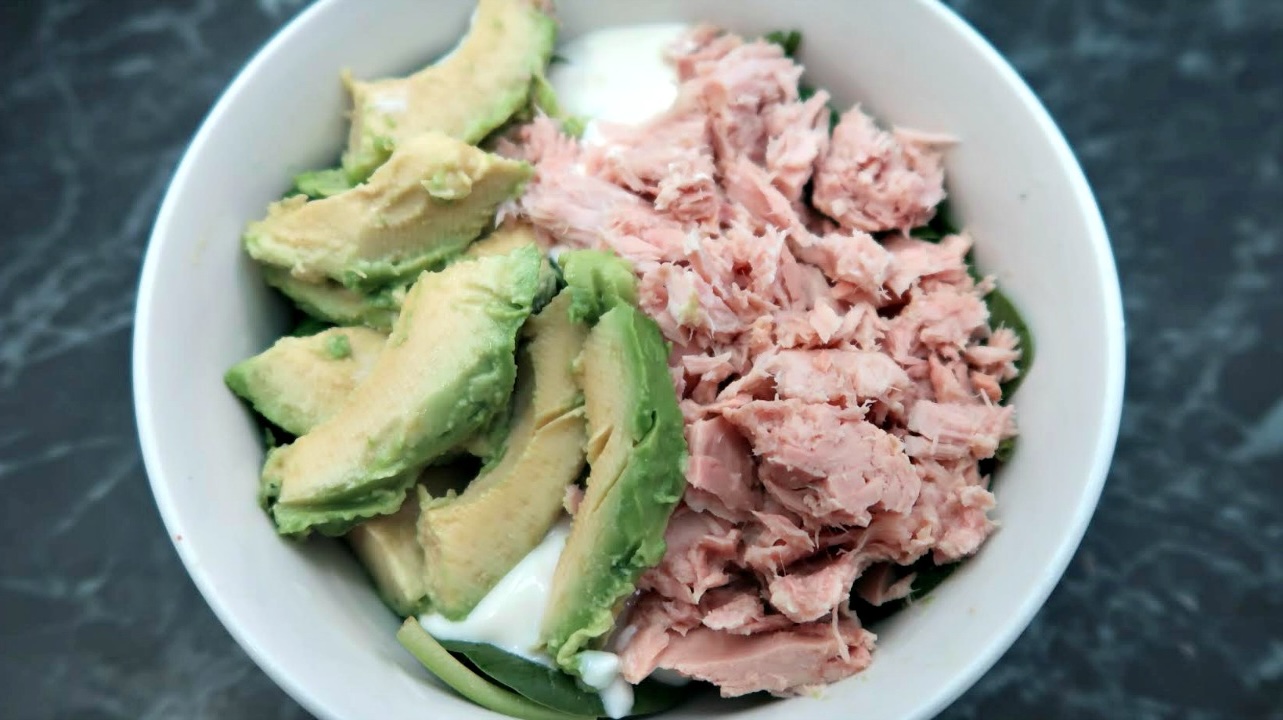
- Keto Tuna Salad Recipe10 Minutes
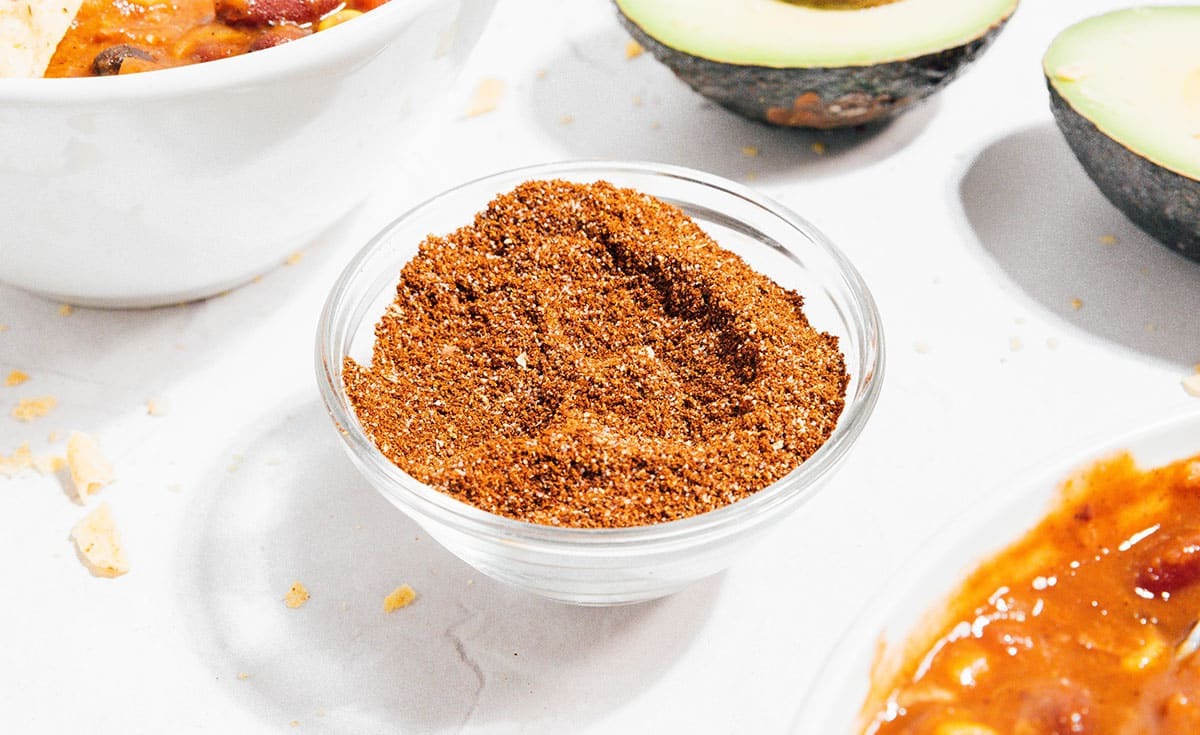
- Chili Seasoning Mix Recipe5 Minutes
- Hot and Sour Soup Recipe35 Minutes
- Hatch Chili Recipe1 Hours
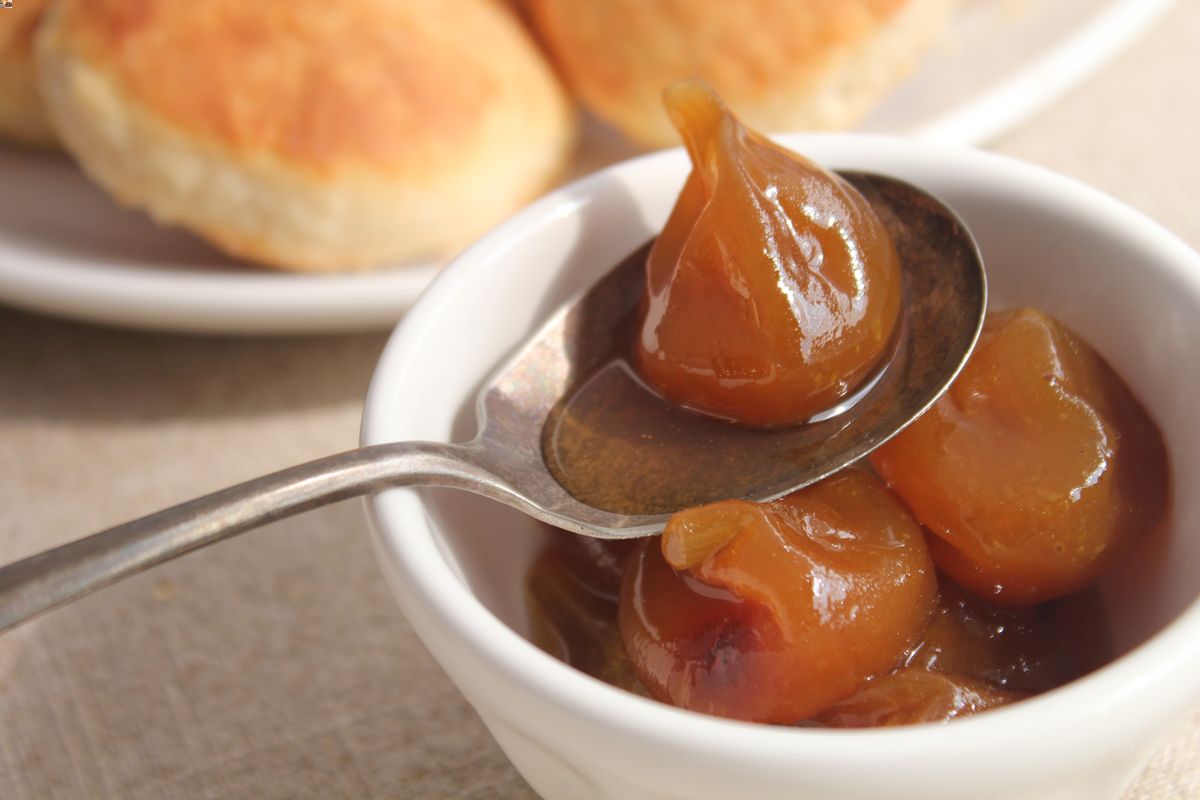
- Fig Preserves Recipe1 Hours 15 Minutes
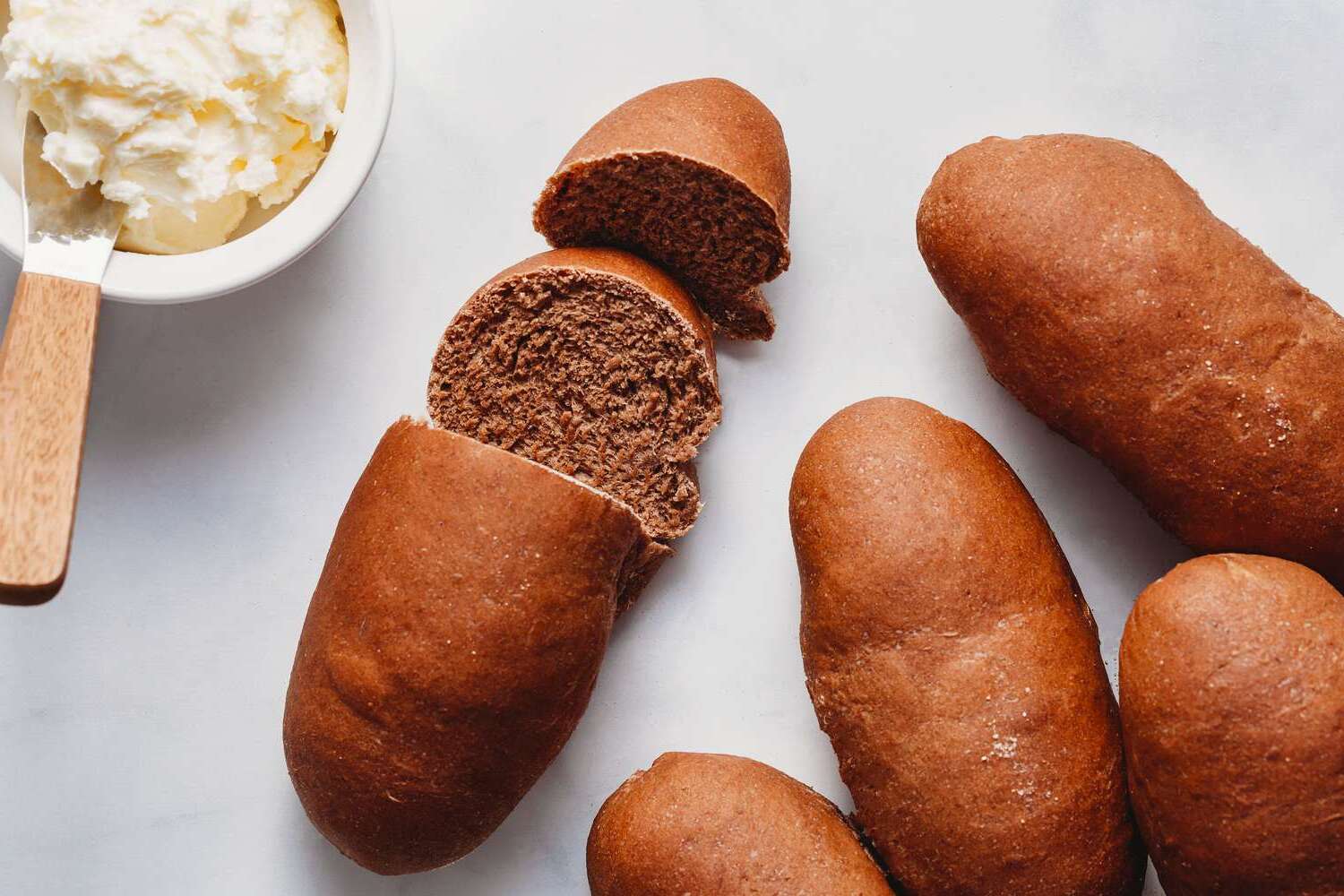
- Steakhouse Wheat Bread Recipe50 Minutes




Leave a Reply