
I love making this cheesecake because it’s creamy and comforting, perfect for sharing with friends or family. It’s one of those recipes that feels special but is actually pretty simple to make. Scroll down and you’ll see how easy it is to create a dessert that everyone will enjoy.
Most of the ingredients in this cheesecake are common in many kitchens, like sugar, eggs, and vanilla extract. The one you might need to pick up at the store is the graham cracker crumbs, which are usually found in the baking aisle. Also, make sure your cream cheese is softened before you start—it helps the filling become smooth and creamy.
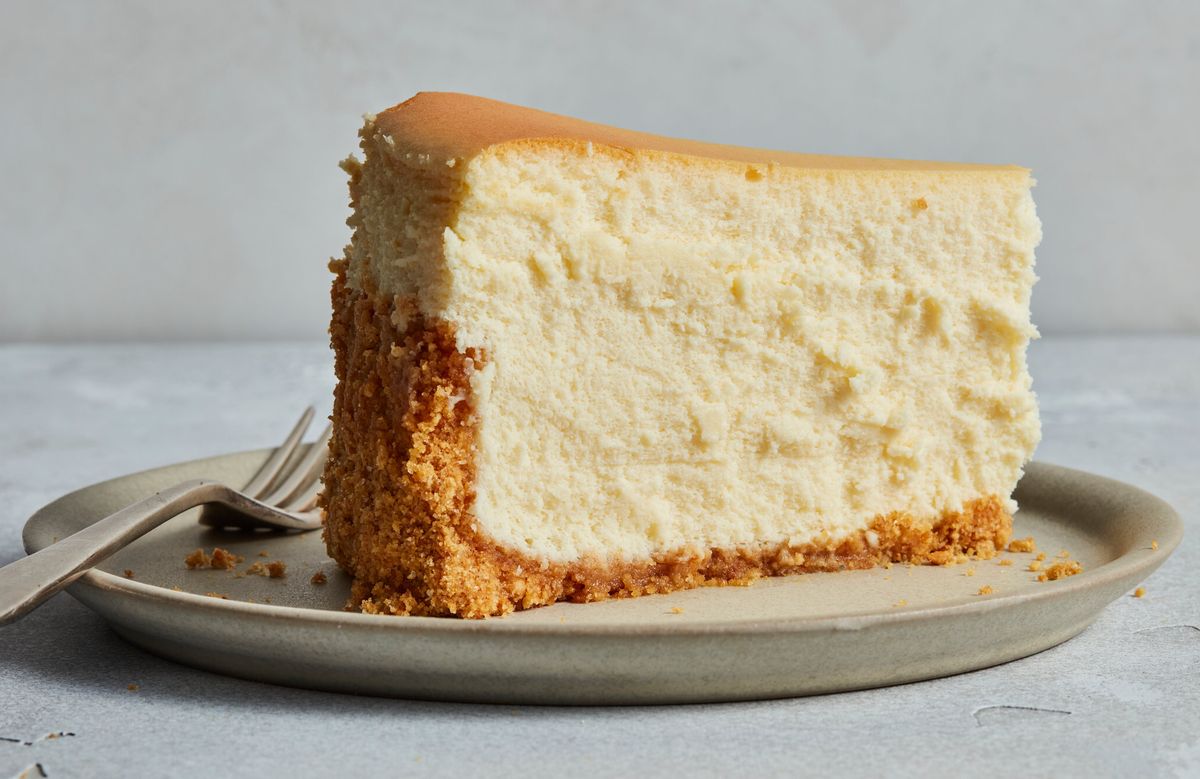
Ingredients For Cheesecake Recipe
Graham cracker crumbs: These crumbs form the crunchy base of the cheesecake and add a nice texture.
Sugar: Used both in the crust and filling to add sweetness.
Melted butter: Helps bind the graham cracker crumbs together to make the crust firm.
Cream cheese: The main ingredient for the creamy filling; make sure it’s softened for the best texture.
Eggs: They help hold the cheesecake together and give it structure.
Vanilla extract: Adds a subtle, sweet flavor that enhances the overall taste.
Technique Tip for This Recipe
One of the most important steps in this cheesecake recipe is mixing the cream cheese and sugar until smooth. Here’s how to do it so your filling turns out creamy and perfect every time:
- Make sure your cream cheese is softened before you start. That means it should be soft enough to press with your finger but not melted. This helps it blend easily without lumps.
- Use a hand mixer or stand mixer if you have one. Start beating the cream cheese on low speed to break it up.
- Gradually add the sugar while mixing. Keep beating until the mixture looks smooth and creamy, with no lumps or grainy bits.
- If you don’t have a mixer, you can use a sturdy spoon or whisk, but it will take a bit more elbow grease. Just keep stirring and pressing the cream cheese against the bowl until it’s soft and smooth.
Doing this step well makes the cheesecake filling silky and rich, which means your dessert will have that classic creamy texture everyone loves. If you don’t mix it enough, you might end up with little lumps or a grainy texture that’s not as nice.
A little secret I learned the first time I made this cheesecake is that if the cream cheese is too cold, it’s super hard to mix and you might end up with lumps. I once tried to rush it and had to stop halfway to soften it in the microwave for a few seconds. It’s worth the wait! Also, scraping down the sides of the bowl a couple of times helps make sure everything blends evenly.
Once you get this step right, the rest of the recipe feels like a breeze, and you’ll be one step closer to enjoying a delicious slice of homemade cheesecake!
Suggested Side Dishes
Alternative Ingredients
graham cracker crumbs - Substitute with digestive biscuit crumbs: Digestive biscuits have a similar texture and slightly sweet flavor, making them a great alternative for the crust.
graham cracker crumbs - Substitute with crushed vanilla wafers: Vanilla wafers add a sweet and buttery flavor that complements the cheesecake filling.
sugar - Substitute with honey: Honey can add a natural sweetness and a hint of floral flavor, though it may slightly alter the texture.
sugar - Substitute with coconut sugar: Coconut sugar provides a caramel-like sweetness and is less processed than regular sugar.
melted butter - Substitute with coconut oil: Coconut oil solidifies when chilled, providing a similar binding effect for the crust.
melted butter - Substitute with margarine: Margarine can be used as a dairy-free alternative, offering a similar texture and flavor.
softened cream cheese - Substitute with mascarpone cheese: Mascarpone has a rich and creamy texture, though it is slightly sweeter and less tangy.
softened cream cheese - Substitute with silken tofu: Silken tofu can be blended to a smooth consistency, making it a suitable vegan alternative.
eggs - Substitute with flaxseed meal: Mix 1 tablespoon of flaxseed meal with 2.5 tablespoons of water per egg. This acts as a binding agent in vegan recipes.
eggs - Substitute with applesauce: Use ¼ cup of applesauce per egg for moisture and binding, though it may add a slight apple flavor.
vanilla extract - Substitute with almond extract: Almond extract provides a nutty and aromatic flavor, though it is more potent, so use sparingly.
vanilla extract - Substitute with maple syrup: Maple syrup adds a rich sweetness and a hint of maple flavor, complementing the cheesecake.
Other Alternative Recipes Similar to This Dessert
How to Store or Freeze This Dessert
Allow the cheesecake to cool completely at room temperature before storing. This prevents condensation from forming inside the container, which can make the crust soggy.
Once cooled, wrap the cheesecake tightly in plastic wrap or aluminum foil. For extra protection, place it in an airtight container. This helps maintain its creamy texture and prevents it from absorbing any unwanted odors from the fridge.
Store the cheesecake in the refrigerator for up to 5 days. This ensures it remains fresh and delicious, ready to be enjoyed at any moment.
For longer storage, consider freezing the cheesecake. First, chill it in the refrigerator for a few hours to firm up. This makes it easier to handle without damaging its delicate structure.
Once chilled, wrap the cheesecake in a layer of plastic wrap, followed by a layer of aluminum foil. This double wrapping provides an extra barrier against freezer burn.
Place the wrapped cheesecake in a freezer-safe container or a heavy-duty freezer bag. Label it with the date to keep track of its freshness.
Freeze the cheesecake for up to 2 months. When you're ready to indulge, transfer it to the refrigerator to thaw overnight. This gradual thawing process helps maintain its creamy consistency.
If you prefer to freeze individual slices, separate them with parchment paper before wrapping. This allows you to enjoy a slice or two without having to defrost the entire cheesecake.
Avoid refreezing the cheesecake once it has been thawed, as this can affect its texture and flavor.
How to Reheat Leftovers
Gently warm your cheesecake in the oven by preheating it to 275°F (135°C). Place the cheesecake on a baking sheet and cover it loosely with aluminum foil to prevent it from drying out. Heat for about 15-20 minutes, checking frequently to ensure it doesn't overheat.
For a quick fix, use the microwave. Place a slice of cheesecake on a microwave-safe plate and heat it on medium power for 20-30 seconds. Be cautious, as microwaving can sometimes alter the texture, making it less creamy.
If you prefer a more even heat distribution, try a water bath method. Place your cheesecake slice in a heatproof dish, then set that dish in a larger pan filled with hot water. Cover with foil and warm in the oven at 275°F (135°C) for about 15 minutes.
For a unique twist, consider using a steamer. Wrap your cheesecake slice in parchment paper and steam it for about 5 minutes. This method can help maintain its moisture and creamy texture.
If you're feeling adventurous, try reheating your cheesecake on a stovetop. Place it in a non-stick pan over low heat, cover with a lid, and warm for about 5 minutes. This method can give the crust a slightly crisp edge while keeping the filling soft.
Essential Tools for This Recipe
Oven: Used for baking the cheesecake at a consistent temperature of 325°F (163°C).
Springform pan: Essential for making cheesecakes as it allows for easy removal of the cake without damaging it.
Mixing bowl: Used to combine ingredients like graham cracker crumbs, sugar, and melted butter for the crust.
Large bowl: Necessary for beating the cream cheese and sugar together to create a smooth filling.
Electric mixer: Helps in beating the cream cheese and sugar until smooth and in mixing the eggs and vanilla extract into the filling.
Measuring cups: Used to accurately measure ingredients like graham cracker crumbs, sugar, and melted butter.
Measuring spoons: Essential for measuring smaller quantities like vanilla extract.
Spatula: Useful for scraping down the sides of the bowl to ensure all ingredients are well mixed.
Refrigerator: Used to chill the cheesecake for at least 4 hours before serving to set the filling properly.
How to Save Time on Making This Dessert
Prepare the crust in advance: Mix the graham cracker crumbs, sugar, and melted butter ahead of time and store in the fridge. This way, you can quickly press it into the pan when ready.
Use room temperature ingredients: Ensure the cream cheese and eggs are at room temperature for easier mixing, which saves time and ensures a smoother batter.
Batch bake: If making multiple cheesecakes, prepare and bake them together. This maximizes oven use and reduces overall cooking time.
Quick chill: Speed up the chilling process by placing the cheesecake in the freezer for the first hour before transferring to the fridge.
Cheesecake Recipe
Ingredients
Crust
- 1.5 cups Graham cracker crumbs
- ¼ cup Sugar
- ½ cup Melted butter
Filling
- 24 oz Cream cheese softened
- 1 cup Sugar
- 3 units Eggs
- 1 teaspoon Vanilla extract
Instructions
- Preheat oven to 325°F (163°C).
- Mix graham cracker crumbs, sugar, and melted butter in a bowl. Press into the bottom of a springform pan.
- In a large bowl, beat the cream cheese and sugar until smooth. Add eggs one at a time, then mix in vanilla extract.
- Pour the filling over the crust. Bake for 60 minutes or until the center is set. Let cool, then refrigerate for at least 4 hours before serving.
Nutritional Value
Keywords
Suggested Appetizers and Main Courses
More Amazing Recipes to Try 🙂
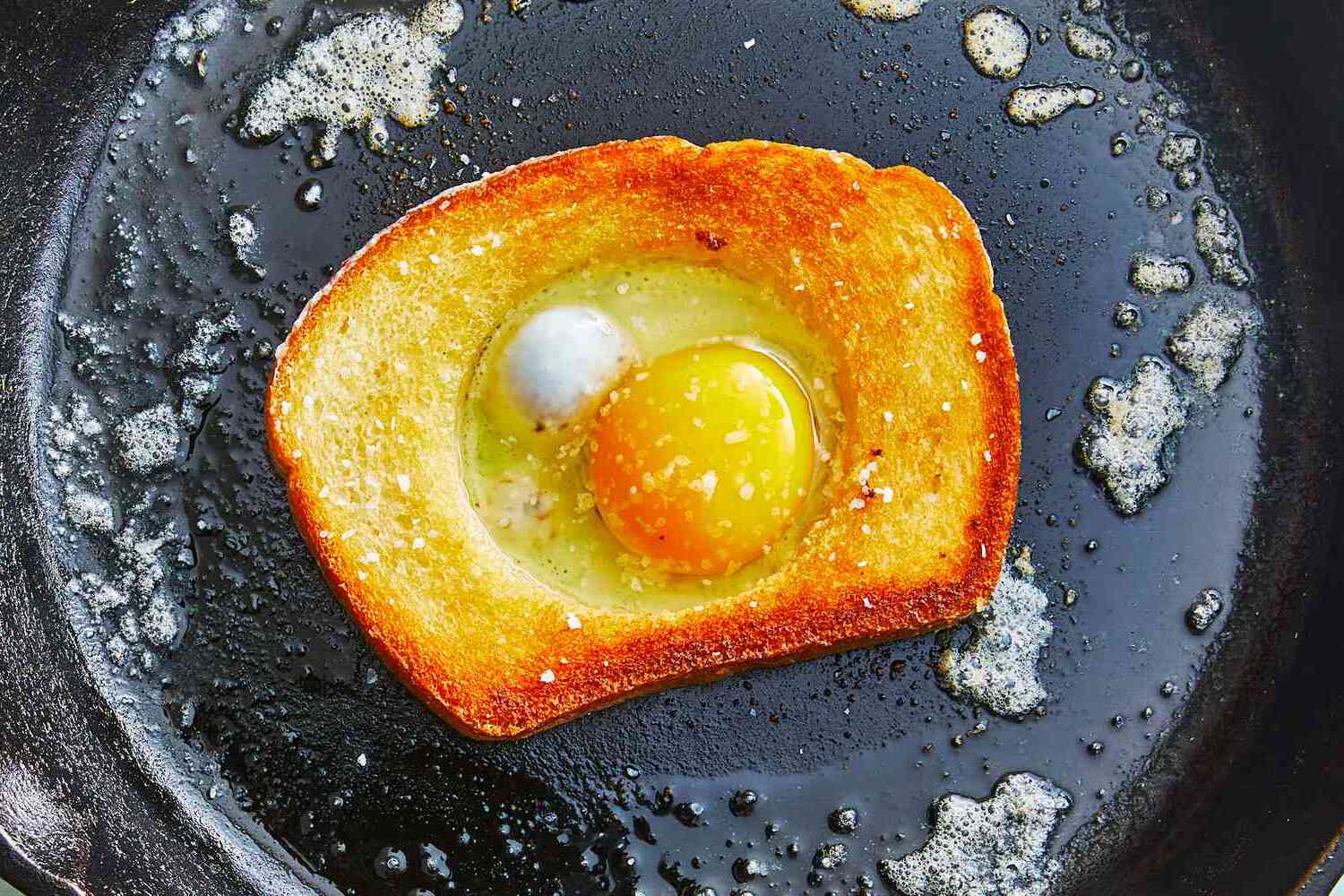
- Egg in a Hole Recipe10 Minutes
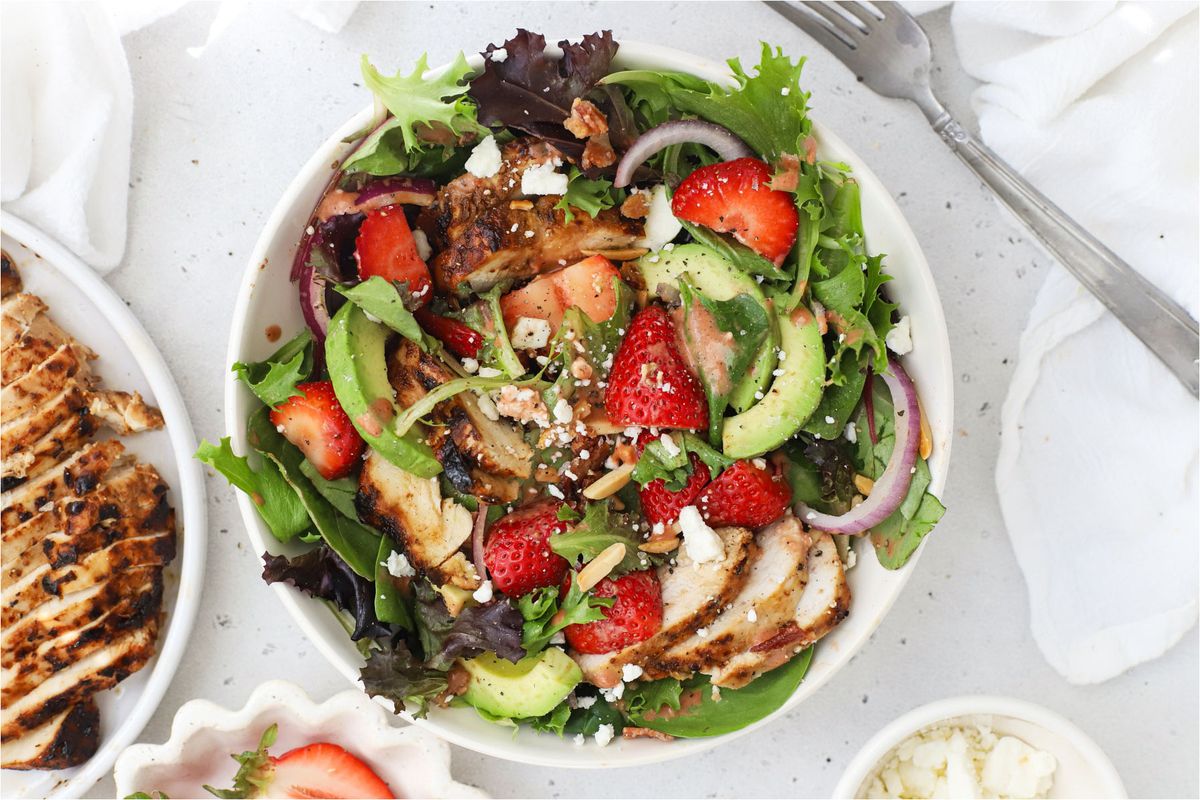
- Strawberry Chicken Salad Recipe25 Minutes
- Turkey Brine Recipe15 Minutes
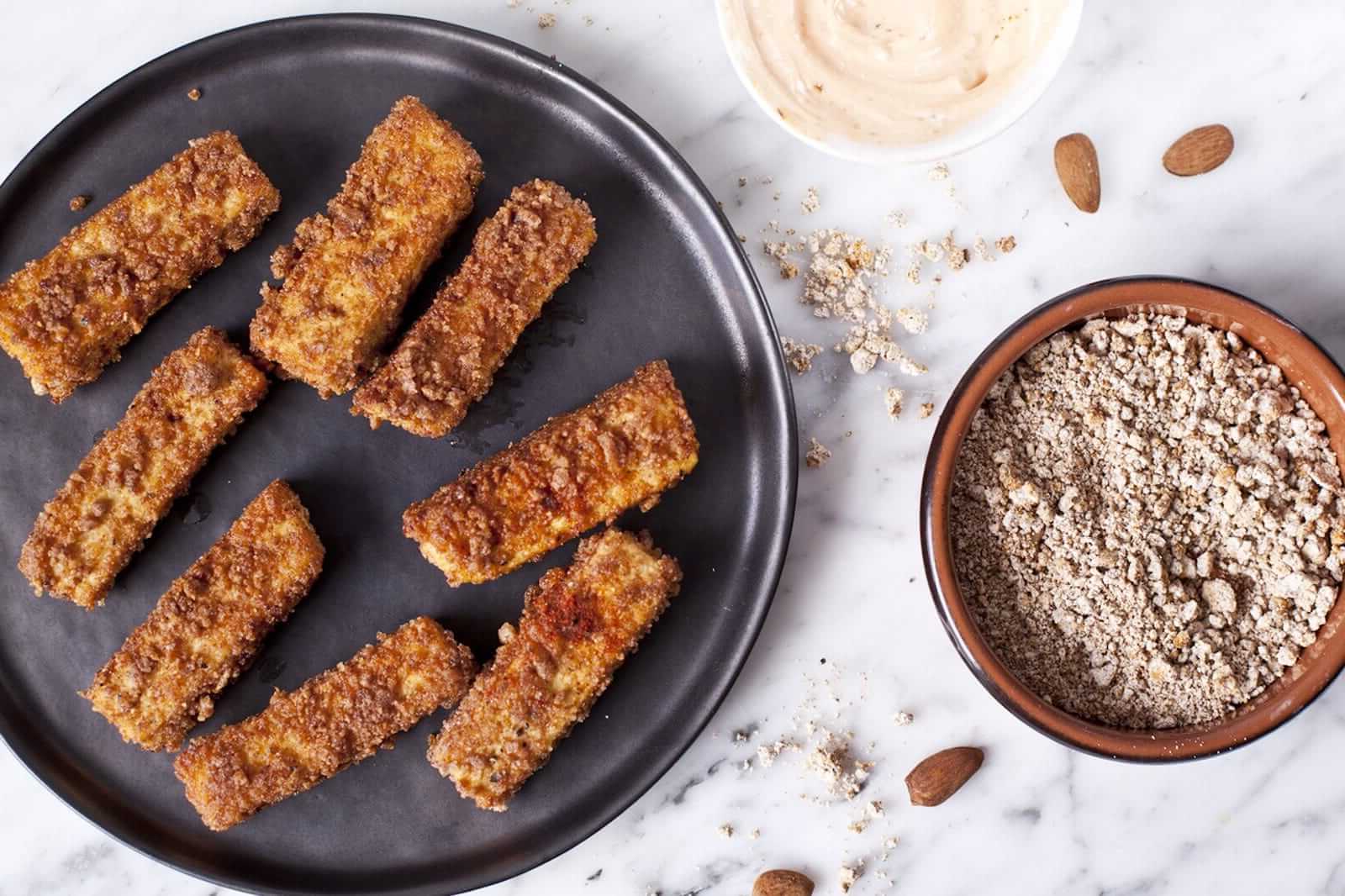
- Vegan Breaded Tofu Recipe35 Minutes
- Air Fryer Vegan Buffalo Cauliflower Recipe30 Minutes
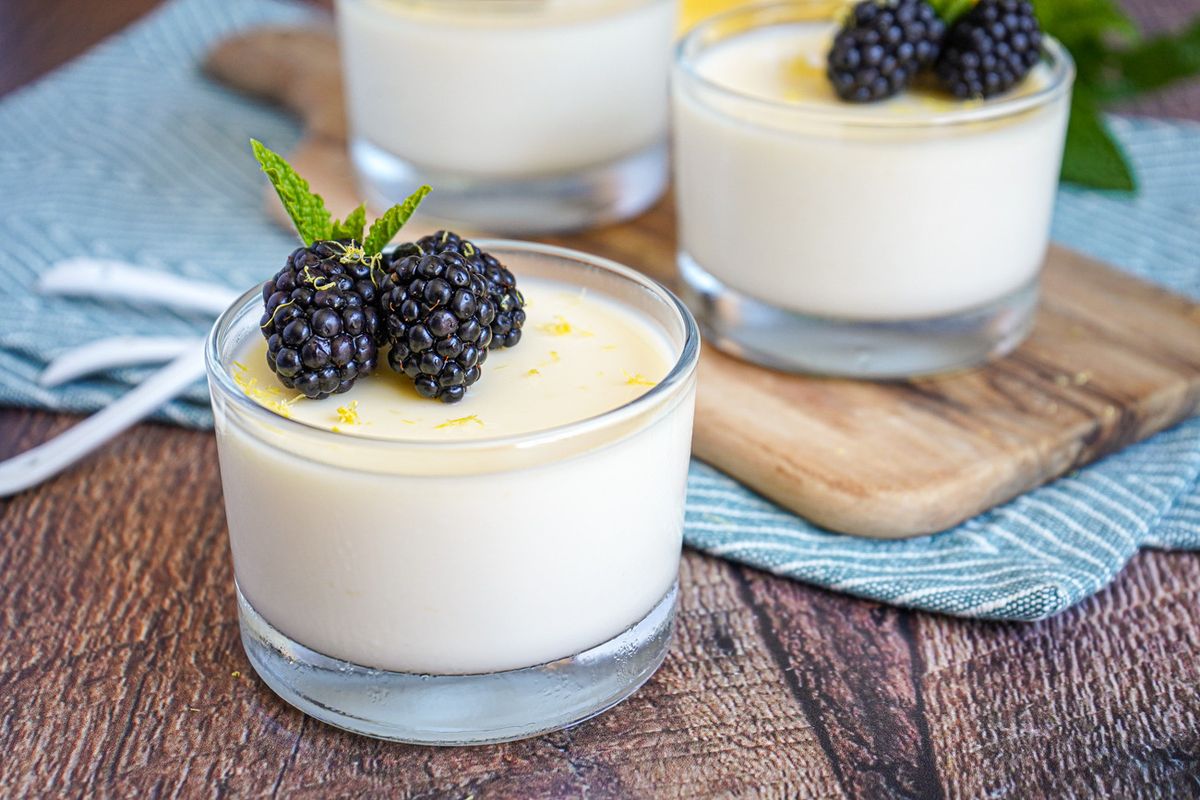
- Lemon Posset Recipe15 Minutes
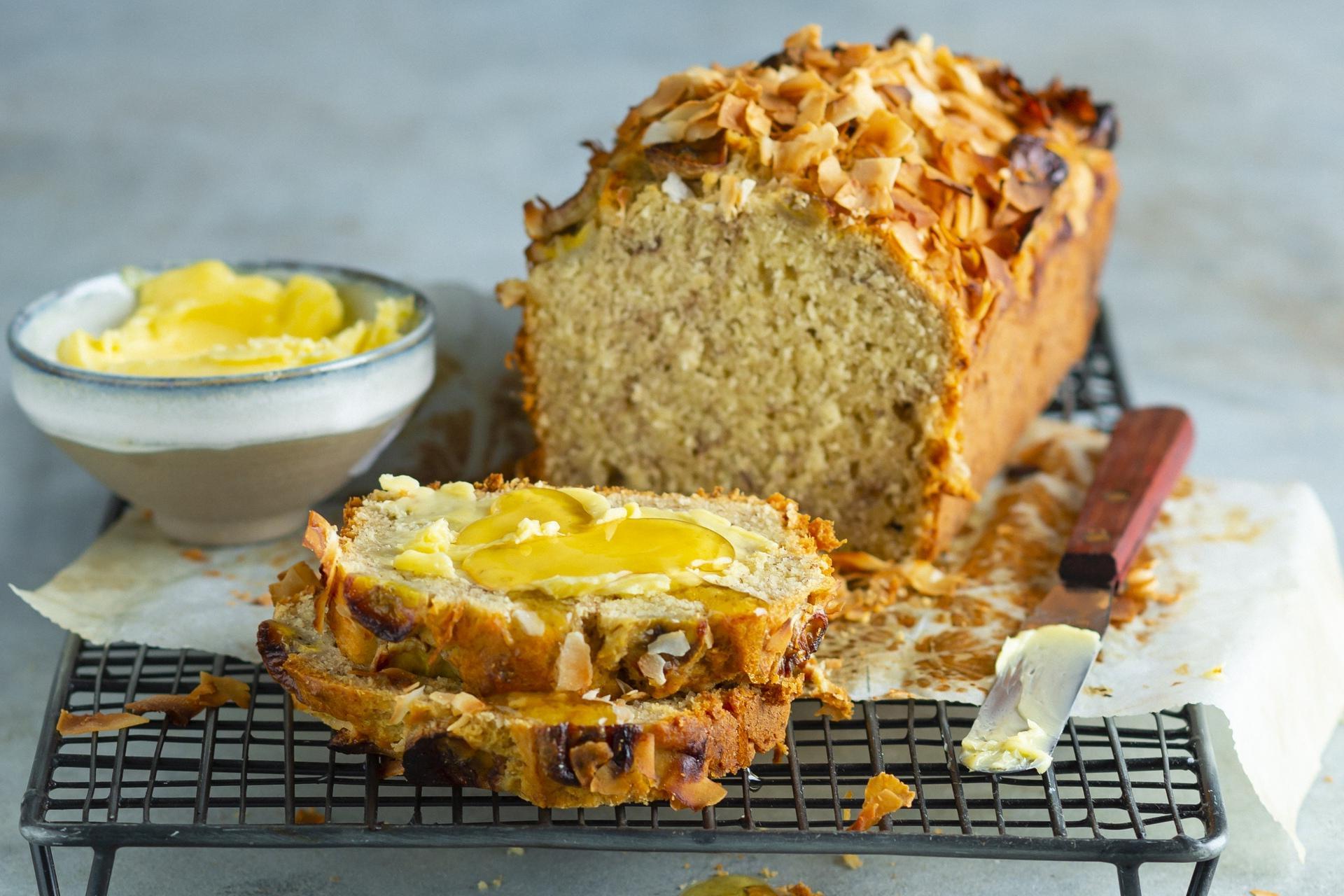
- Banana Coconut Loaf Recipe1 Hours 15 Minutes
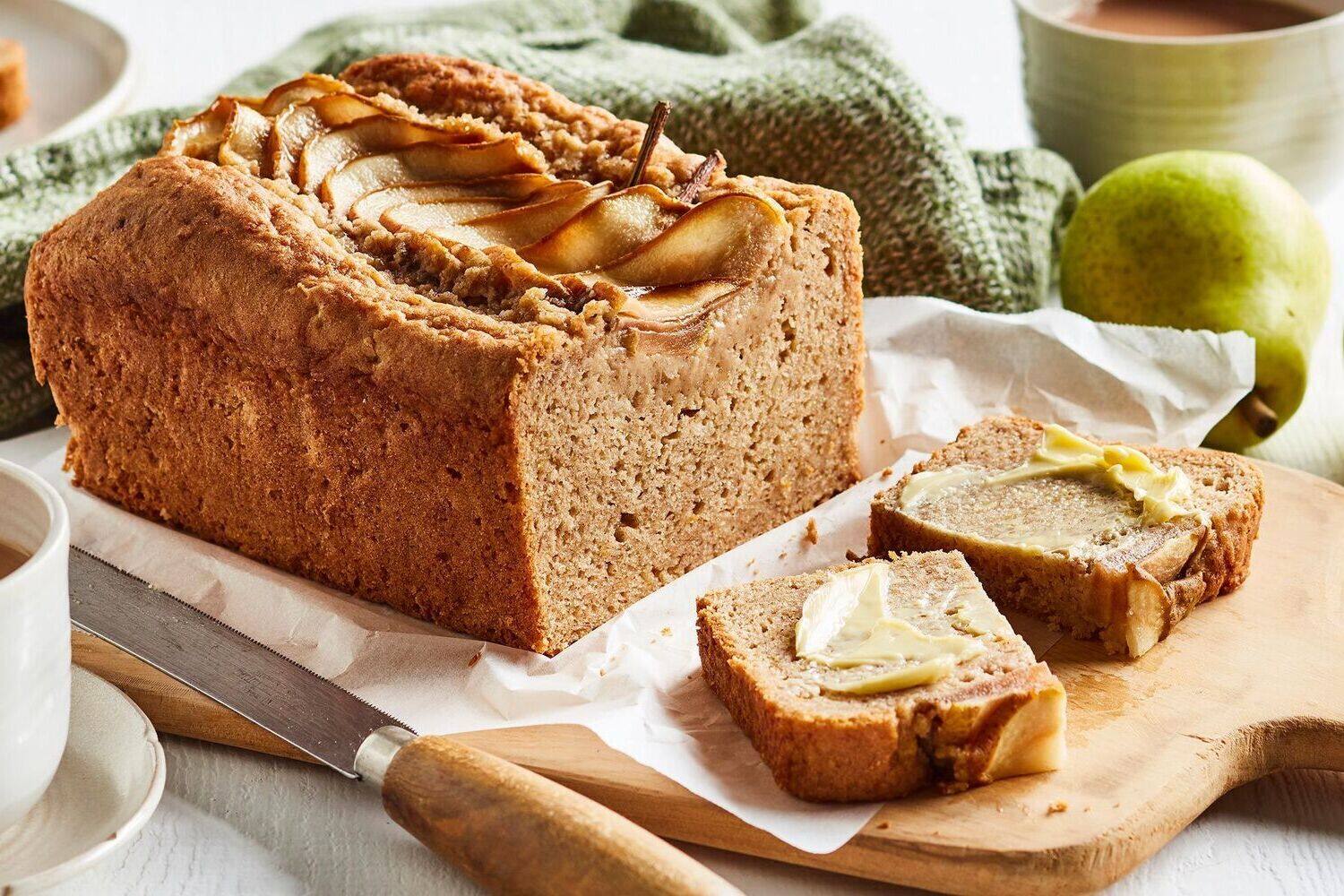
- Pear Bread Recipe1 Hours 15 Minutes


Leave a Reply