
I love making lefse because it reminds me of cozy family gatherings and simple, comforting flavors. This Norwegian lefse recipe is soft, buttery, and perfect for sharing with friends or enjoying as a special treat. Scroll down to see how easy it is to make this traditional dish at home!
Most of the ingredients in this recipe are common in many kitchens, like potatoes, butter, and sugar. The one you might want to look for carefully is heavy cream, which adds richness and helps create the perfect texture. When you go to the supermarket, check the dairy section for heavy cream or whipping cream, and make sure to pick russet potatoes since they work best for this recipe.

Ingredients for Norwegian Lefse Recipe
Russet potatoes: These starchy potatoes are ideal for making soft and smooth lefse dough.
Melted butter: Adds richness and flavor to the dough.
Heavy cream: Makes the dough creamy and tender.
Sugar: A little sweetness to balance the flavors.
Salt: Enhances the overall taste.
All-purpose flour: Used to form the dough and help roll out the lefse thinly.
Technique Tip for Perfect Lefse
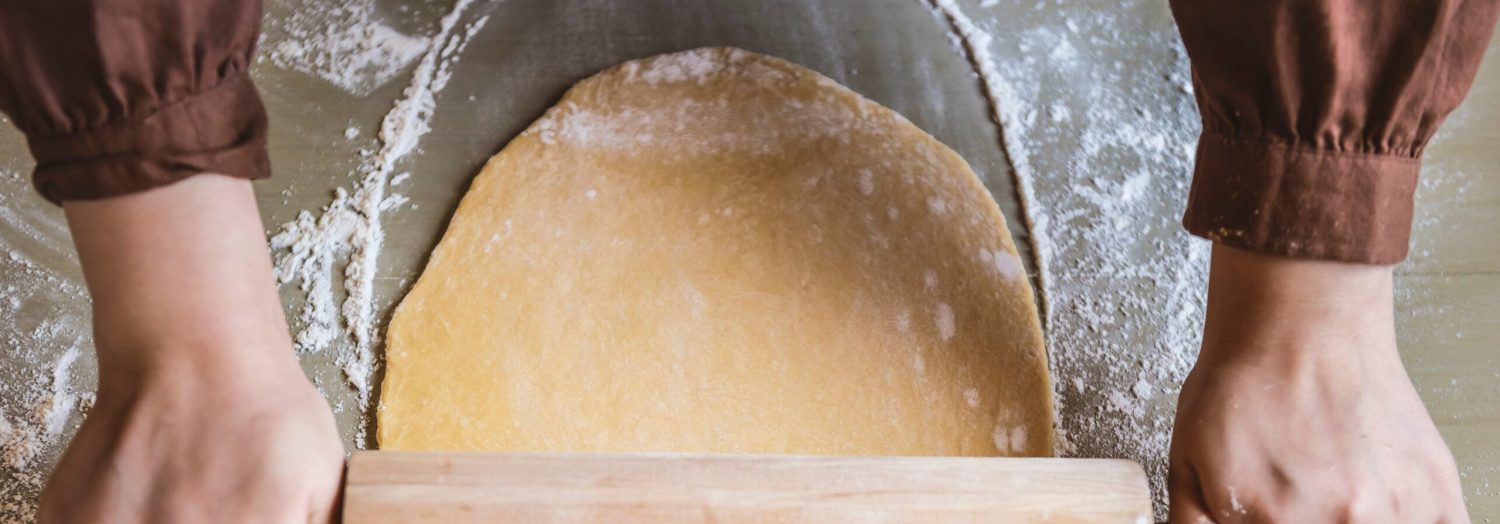
One of the trickiest parts of making lefse is rolling out the dough into those super thin, round circles without tearing them. Here’s a simple way to get it just right:
- First, sprinkle your work surface lightly with some extra flour. You don’t want too much or the dough will get dry, but just enough so it doesn’t stick.
- Take one of your dough balls and press it gently with your hands to flatten it a bit before you start rolling.
- Use a rolling pin and roll from the center outward, turning the dough a little after each roll. This helps keep the circle even.
- If the dough starts sticking to the rolling pin, dust a little more flour on it.
- Keep rolling until the dough is very thin—almost like a crepe. Thin dough cooks better and gets those nice brown spots.
Doing this makes cooking smoother because thin, even circles cook quickly and evenly on the griddle, giving you that soft, tender lefse texture everyone loves. If the dough is too thick or uneven, some parts might stay doughy while others get too crispy.
When I first tried rolling out the dough, I made the mistake of using too much flour and ended up with tough lefse. Now I’m careful to use just a little and keep the dough soft. Also, I like to roll out a few circles ahead of time and stack them with a clean kitchen towel in between so they don’t dry out while I cook. It saves time and keeps everything nice and soft.
Rolling out the dough might take a bit of practice, but once you get the hang of it, it’s really fun to see those perfect circles come together!
Suggested Side Dishes
Alternative Ingredients
russet potatoes - Substitute with yukon gold potatoes: Yukon gold potatoes have a similar starchy texture and mild flavor, making them a good alternative for lefse.
melted butter - Substitute with margarine: Margarine can be used as a non-dairy alternative, providing a similar fat content and texture.
heavy cream - Substitute with coconut cream: Coconut cream offers a rich and creamy texture, suitable for those seeking a dairy-free option.
sugar - Substitute with honey: Honey can add a natural sweetness and slight flavor variation, while still maintaining the sweetness level.
salt - Substitute with sea salt: Sea salt can be used as it provides a similar level of saltiness with a slightly different mineral profile.
all-purpose flour - Substitute with gluten-free all-purpose flour: Gluten-free all-purpose flour can be used for those with gluten sensitivities, offering a similar texture and structure.
Alternative Recipes Similar to Lefse
How to Store or Freeze Lefse
Allow the freshly made lefse to cool completely on a wire rack. This prevents condensation, which can make them soggy.
Once cooled, stack the lefse with a piece of parchment paper between each one. This keeps them from sticking together.
Store the stacked lefse in an airtight container or a resealable plastic bag. This helps maintain their softness and prevents them from drying out.
If you plan to enjoy the lefse within a few days, keep them in the refrigerator. They should stay fresh for up to a week.
For longer storage, consider freezing. Place the parchment-separated lefse in a freezer-safe bag, squeezing out as much air as possible before sealing.
Label the bag with the date to keep track of freshness. Lefse can be frozen for up to three months without losing their delightful texture.
When ready to enjoy, thaw the lefse at room temperature. If you prefer them warm, gently reheat on a skillet or in the microwave for a few seconds.
To maintain the authentic taste, avoid reheating lefse in the oven, as this can dry them out.
How to Reheat Leftovers
Preheat your oven to 350°F (175°C). Wrap the lefse in aluminum foil to prevent it from drying out. Place it on a baking sheet and warm for about 10 minutes. This method ensures the lefse remains soft and pliable.
Use a skillet or griddle over medium heat. Place the lefse directly on the surface, flipping occasionally until warmed through. This method brings back a bit of the original texture and flavor.
For a quick option, use a microwave. Wrap the lefse in a damp paper towel and heat on medium power for 20-30 seconds. This keeps the lefse moist and prevents it from becoming rubbery.
If you have a steamer, place the lefse in a steamer basket over simmering water for a few minutes. This gentle method helps maintain the lefse's tenderness.
For a touch of crispiness, lightly butter the lefse and place it under a broiler for a minute or two. Keep a close eye to avoid burning, and enjoy a slightly crispy edge.
Essential Tools for Making Lefse
Potato ricer: This tool is essential for achieving smooth and fluffy potatoes, which form the base of the lefse dough.
Large mixing bowl: Use this to combine the riced potatoes with butter, cream, sugar, and salt, ensuring all ingredients are well mixed.
Measuring cups: These are necessary for accurately measuring the butter, cream, sugar, salt, and flour.
Wooden spoon or spatula: Helpful for mixing the ingredients together without overworking the dough.
Rolling pin: This is used to roll out the dough balls into thin circles, a crucial step for making lefse.
Floured surface: A clean countertop or pastry board dusted with flour is needed to prevent the dough from sticking while rolling it out.
Griddle: A flat cooking surface is used to cook the lefse, providing even heat distribution for perfect browning.
Wire rack: This allows the cooked lefse to cool properly without becoming soggy, maintaining its texture.
Knife or dough cutter: Useful for dividing the dough into smaller portions before rolling.
Time-Saving Tips for Making Lefse
Prepare ingredients ahead: Boil and rice the potatoes the day before. Store them in the fridge to save time on cooking day.
Use a stand mixer: Mix the potato mixture with a stand mixer to quickly achieve a smooth dough.
Preheat the griddle: Ensure the griddle is hot before you start cooking to speed up the process.
Divide dough evenly: Use a cookie scoop to portion the dough, ensuring uniform lefse size and faster rolling.
Roll multiple at once: Roll out several lefses before cooking to streamline the process.
Norwegian Lefse Recipe
Ingredients
Main Ingredients
- 4 cups russet potatoes, peeled and boiled
- ¼ cup butter melted
- ½ cup heavy cream
- 1 tablespoon sugar
- 1 teaspoon salt
- 2 cups all-purpose flour plus extra for rolling
Instructions
- 1. Rice the boiled potatoes and place them in a large bowl.
- 2. Add melted butter, heavy cream, sugar, and salt to the potatoes. Mix well.
- 3. Gradually add flour to the potato mixture until a dough forms.
- 4. Divide the dough into small balls. Roll each ball out on a floured surface into a thin circle.
- 5. Cook each lefse on a hot griddle until brown spots appear, about 1-2 minutes per side.
- 6. Cool on a wire rack. Serve warm or at room temperature.
Nutritional Value
Keywords
More Amazing Recipes to Try 🙂
- Watermelon Basil Salad Recipe15 Minutes
- Ciabatta Grinder Salad Sandwich Recipe15 Minutes
- Sweet Potato Rolls Recipe55 Minutes
- Smoked Corn on the Cob Recipe40 Minutes
- Banana Pancakes Recipe30 Minutes
- Beef Noodle Soup Recipe2 Minutes
- Whole Wheat Banana Nut Bread Recipe1 Hours 15 Minutes
- Finnish Long Drink Recipe5 Minutes











Leave a Reply