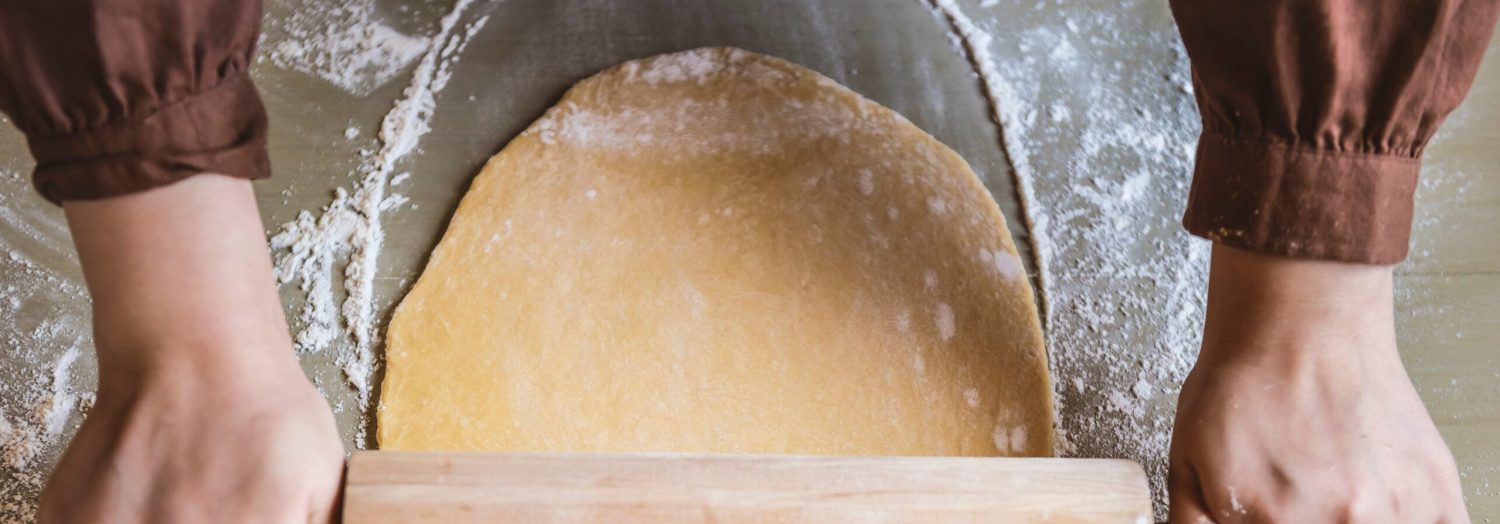

I love making this simple unlevened bread because it reminds me of cozy afternoons spent baking with family. It’s a great recipe to try when you want fresh bread without waiting for it to rise. Scroll down and you’ll see how easy it is to make your own warm, soft bread at home.
Most of the ingredients in this recipe are common pantry staples, so you probably already have them at home. If you need to pick something up, olive oil might be the only item to look for at the supermarket. It’s a good idea to choose extra virgin olive oil for the best flavor, but any olive oil will work fine.
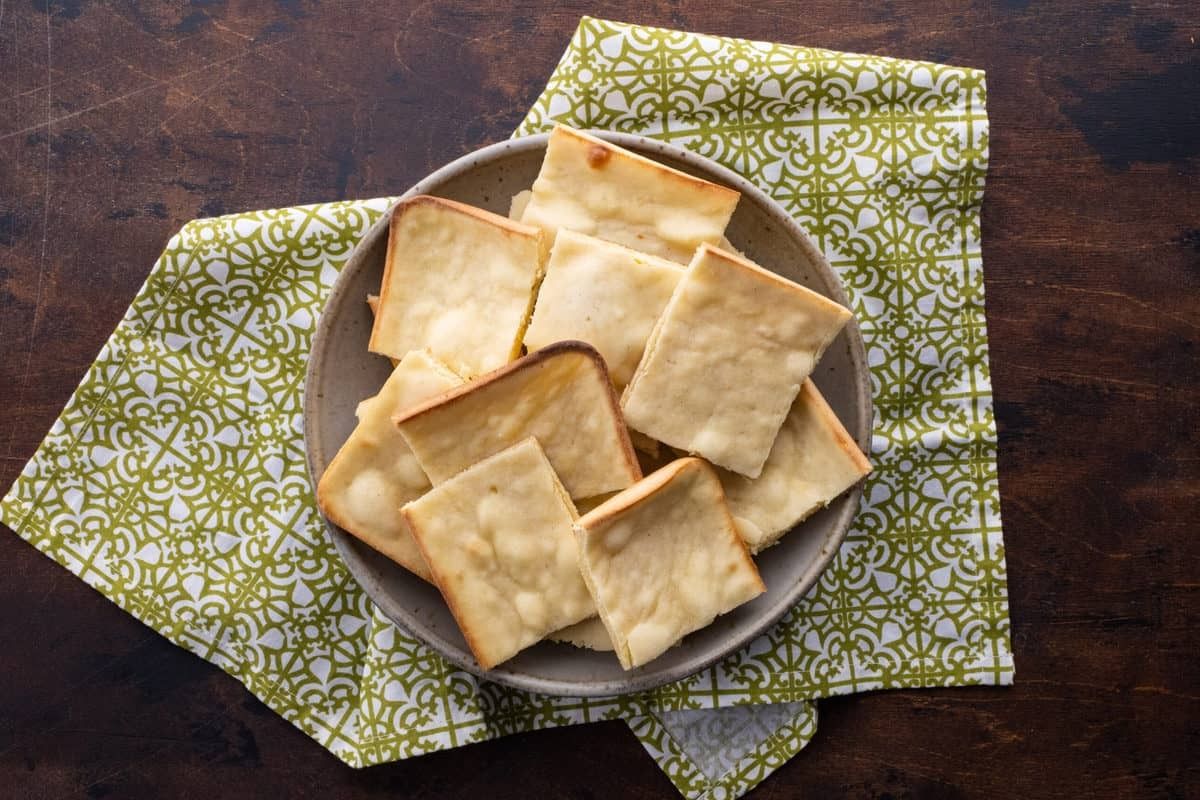
Ingredients For Unleavened Bread Recipe
Flour: The main ingredient that forms the dough and gives the bread its structure.
Salt: Adds flavor and balances the taste of the bread.
Water: Helps bring the dough together and keeps it soft.
Olive oil: Adds moisture and a subtle richness to the bread.
Technique Tip for This Recipe
One of the most important steps in making this unleavened bread is kneading the dough. Kneading might sound tricky, but it’s really just about working the dough with your hands until it feels smooth and stretchy. Here’s how you can do it:
- Sprinkle a little flour on your clean surface so the dough doesn’t stick.
- Place your dough on the floured surface.
- Push the dough away from you with the heels of your hands.
- Fold it back over itself.
- Turn the dough a little and repeat pushing, folding, and turning.
- Keep going for about 5 minutes until the dough feels soft and a bit springy.
Kneading helps mix everything really well and makes the gluten in the flour stretch out. This is what gives the bread a nice texture and helps it hold together instead of falling apart. If you don’t knead enough, the dough can be crumbly or tough after baking.
When I first tried kneading, I didn’t use enough flour on the surface, and the dough stuck to my hands and the counter. It was messy! Now, I always keep a little extra flour nearby to dust my hands and the surface. Also, if your dough feels too sticky, adding just a tiny bit more flour while kneading helps a lot. It’s a simple trick that makes the whole process smoother and the bread tastier.
Suggested Side Dishes
Alternative Ingredients
flour - Substitute with whole wheat flour: Whole wheat flour provides a denser texture and a nuttier flavor, while still maintaining the structure needed for unleavened bread.
flour - Substitute with gluten-free flour blend: For those with gluten sensitivities, a gluten-free flour blend can be used to achieve a similar texture without gluten.
salt - Substitute with sea salt: Sea salt can offer a slightly different mineral content and flavor profile, enhancing the taste of the bread.
water - Substitute with milk: Using milk instead of water can add a richer flavor and a slightly softer texture to the bread.
olive oil - Substitute with coconut oil: Coconut oil can provide a subtle sweetness and a different aroma, while still offering the necessary fat content for the bread.
Alternative Recipes Similar to This Bread
How to Store or Freeze This Bread
Allow the freshly baked unleavened bread to cool completely on a wire rack. This prevents condensation from forming, which can make the bread soggy.
For short-term storage, wrap the bread tightly in plastic wrap or place it in an airtight container. Store it at room temperature for up to 3 days. This keeps the bread fresh and prevents it from drying out.
If you plan to enjoy the bread beyond a few days, consider freezing it. First, wrap each piece individually in plastic wrap or aluminum foil. This ensures that the bread maintains its texture and flavor.
Place the wrapped pieces in a freezer-safe bag or container. Be sure to remove as much air as possible before sealing. This helps prevent freezer burn and keeps the bread tasting fresh.
Label the bag or container with the date of freezing. This helps you keep track of how long the bread has been stored.
When you're ready to enjoy the bread, remove the desired number of pieces from the freezer. Allow them to thaw at room temperature for about 1-2 hours.
For a warm, freshly baked taste, reheat the thawed bread in a preheated oven at 350°f (175°c) for about 5-7 minutes. This revives the bread's delightful texture and aroma.
If you're in a hurry, you can also use a microwave to defrost the bread. Place a piece on a microwave-safe plate and cover it with a damp paper towel. Heat on low power for 20-30 seconds, checking frequently to avoid overcooking.
For an extra touch of flavor, brush the reheated bread with a bit of olive oil or sprinkle with your favorite herbs before serving. This adds a delightful twist to the classic recipe.
How to Reheat Leftovers
Preheat your oven to 350°F (175°C). Wrap the unleavened bread in aluminum foil to prevent it from drying out. Place it directly on the oven rack and heat for about 10 minutes. This method helps maintain the bread's texture, keeping it soft on the inside and slightly crispy on the outside.
Use a skillet or frying pan over medium heat. Lightly brush the pan with a bit of olive oil or butter. Place the unleavened bread in the pan and heat for 1-2 minutes on each side. This method adds a delightful crispiness to the bread's surface.
For a quick reheat, use a microwave. Wrap the unleavened bread in a damp paper towel and place it on a microwave-safe plate. Heat on medium power for 20-30 seconds. This method is fast but may result in a softer texture.
If you have a toaster oven, set it to 350°F (175°C). Place the unleavened bread directly on the rack or on a baking sheet. Heat for 5-7 minutes. This method is great for achieving a balance between crispiness and softness.
For a unique twist, use a grill. Preheat the grill to medium heat. Lightly brush the unleavened bread with olive oil and place it on the grill for about 1-2 minutes on each side. This method imparts a smoky flavor and adds grill marks for visual appeal.
Essential Tools for This Recipe
Oven: Used to bake the unleavened bread at a consistent temperature of 375°F (190°C).
Mixing bowl: A container to combine the flour, salt, water, and olive oil into a dough.
Measuring cups: Utilized to accurately measure the flour and water.
Measuring spoons: Used to measure the salt and olive oil precisely.
Rolling pin: Helps in flattening the dough balls into thin circles.
Baking sheet: A flat surface to place the rolled-out dough for baking.
Flour sifter: Optional, but can be used to ensure the flour is lump-free before mixing.
Pastry brush: Optional, for brushing olive oil on the dough if desired.
Knife: Used to divide the dough into smaller portions.
Cooling rack: Allows the baked bread to cool evenly after baking.
How to Save Time on Preparation
Prepare ingredients in advance: Measure and set aside flour, salt, water, and olive oil before starting. This ensures a smooth workflow.
Use a food processor: Combine the flour, salt, water, and olive oil in a food processor to quickly form the dough, saving time on manual mixing.
Batch rolling: Roll out multiple dough balls at once. This speeds up the process and ensures even baking.
Preheat the oven early: Start preheating the oven while preparing the dough to minimize waiting time once the dough is ready.
Unleavened Bread Recipe
Ingredients
Main Ingredients
- 2 cups flour
- ½ teaspoon salt
- ¾ cup water
- 2 tablespoons olive oil
Instructions
- Preheat oven to 375°F (190°C).
- Mix flour and salt in a bowl.
- Add water and olive oil, mix until dough forms.
- Knead dough on a floured surface for 5 minutes.
- Divide dough into small balls, roll out each ball into a thin circle.
- Place on a baking sheet and bake for 15-20 minutes until lightly browned.
Nutritional Value
Keywords
More Amazing Recipes to Try 🙂
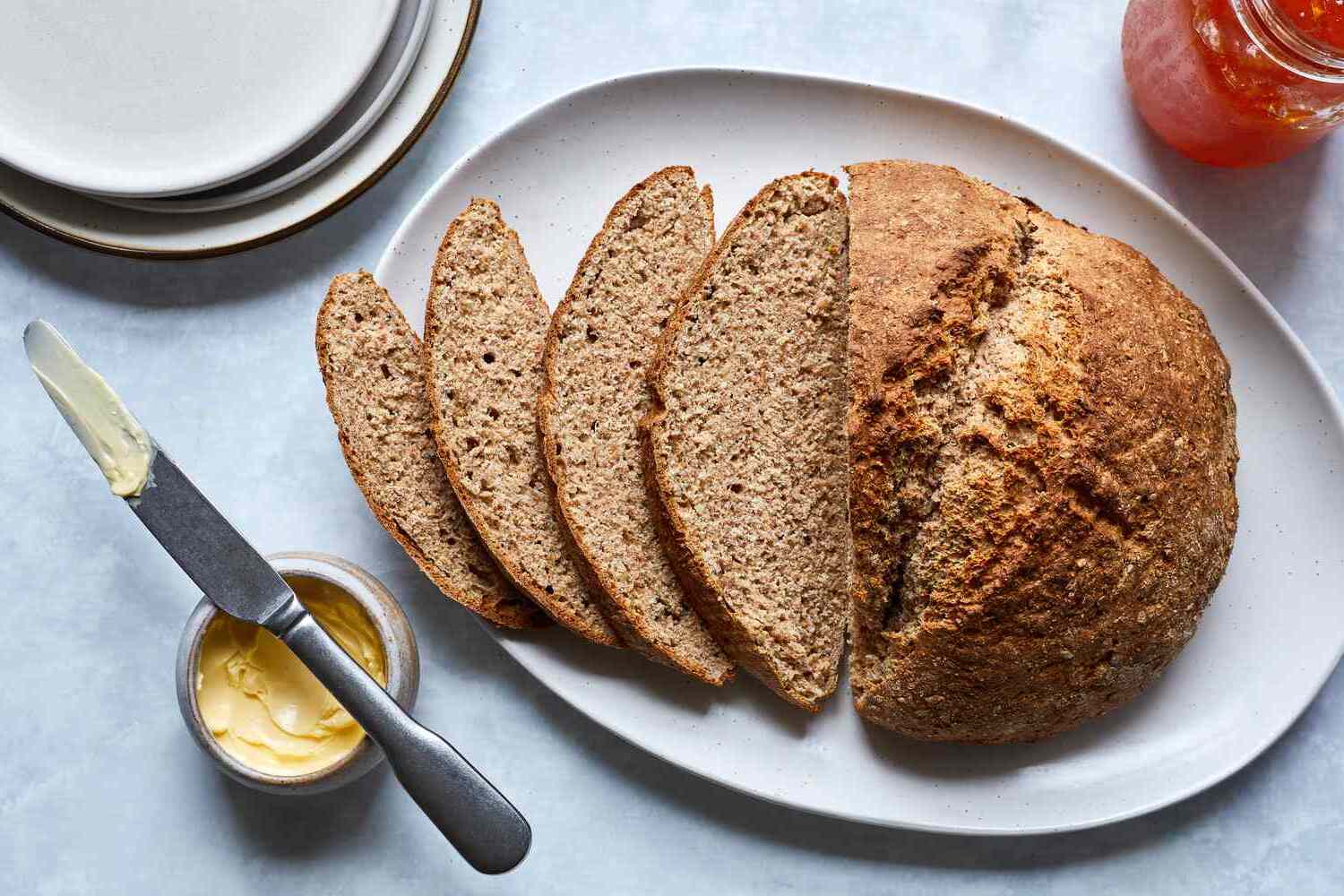
- Irish Wheaten Bread Recipe55 Minutes
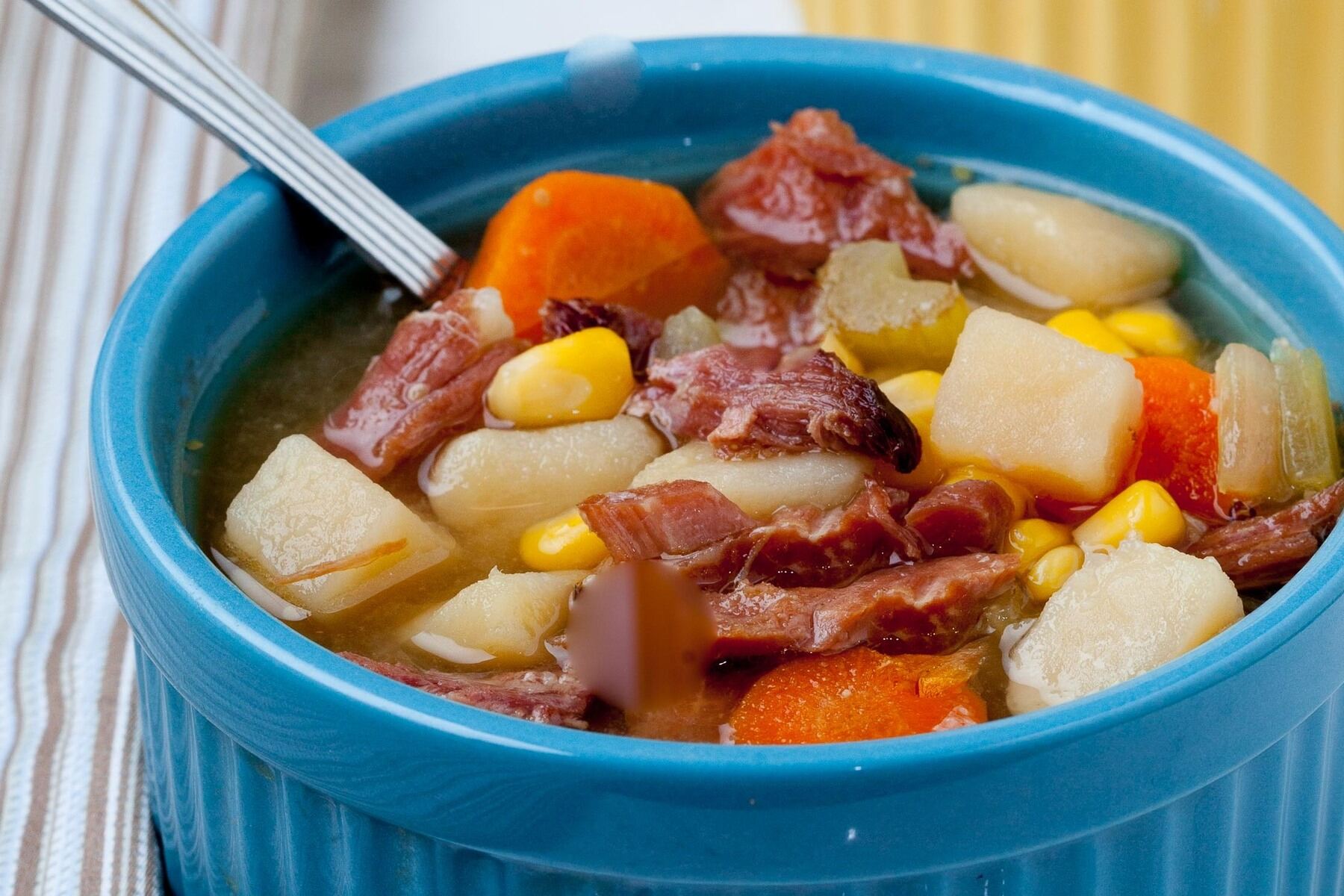
- Ham Bone and Vegetable Soup Recipe2 Hours 15 Minutes
- Hot Cocoa Mix Recipe10 Minutes
- Simple Syrup Recipe10 Minutes
- Cauliflower Soup Recipe30 Minutes
- Gluten-Free Chicken Soup Recipe45 Minutes
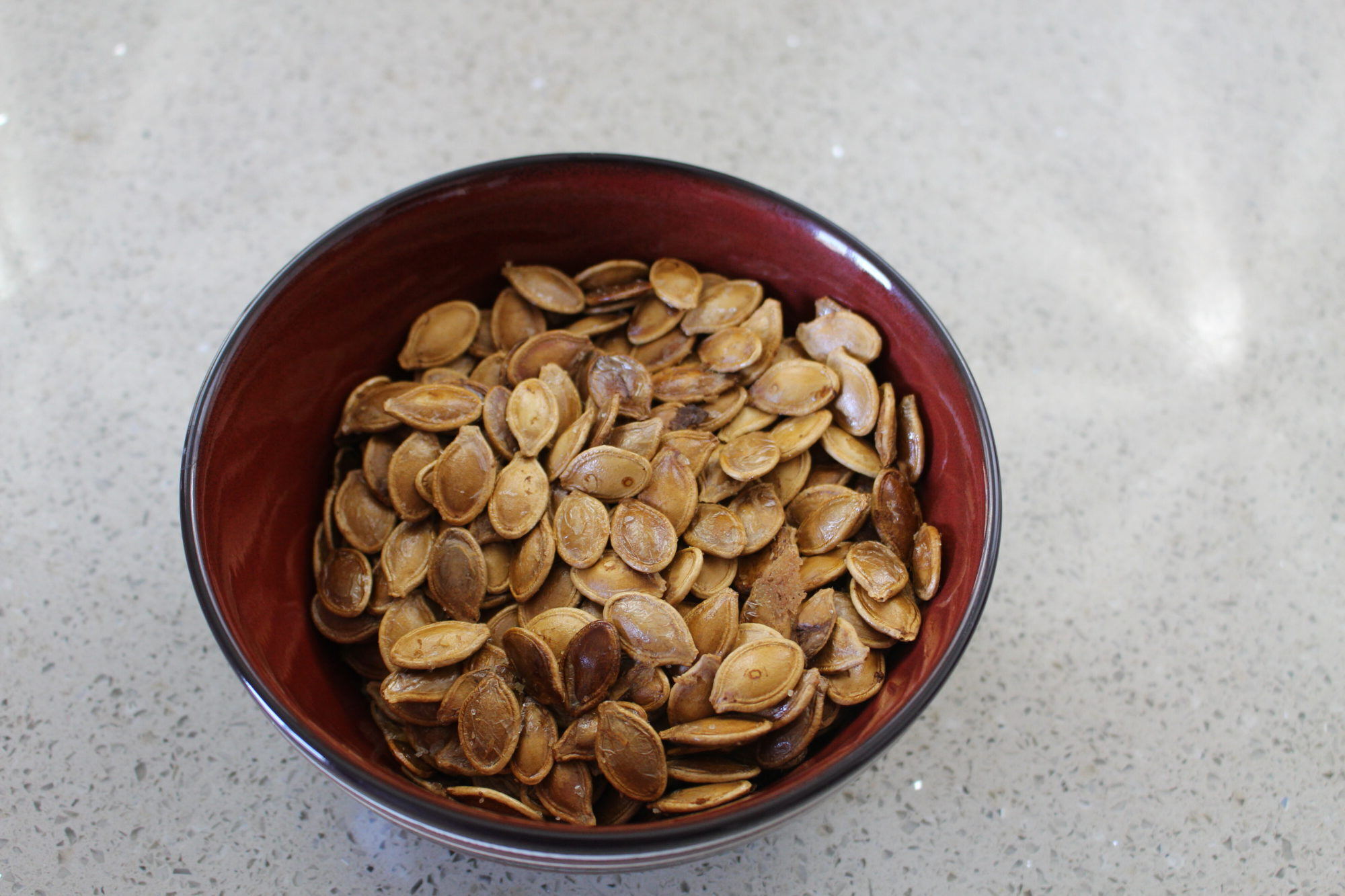
- Toasted Pumpkin Seeds Recipe30 Minutes
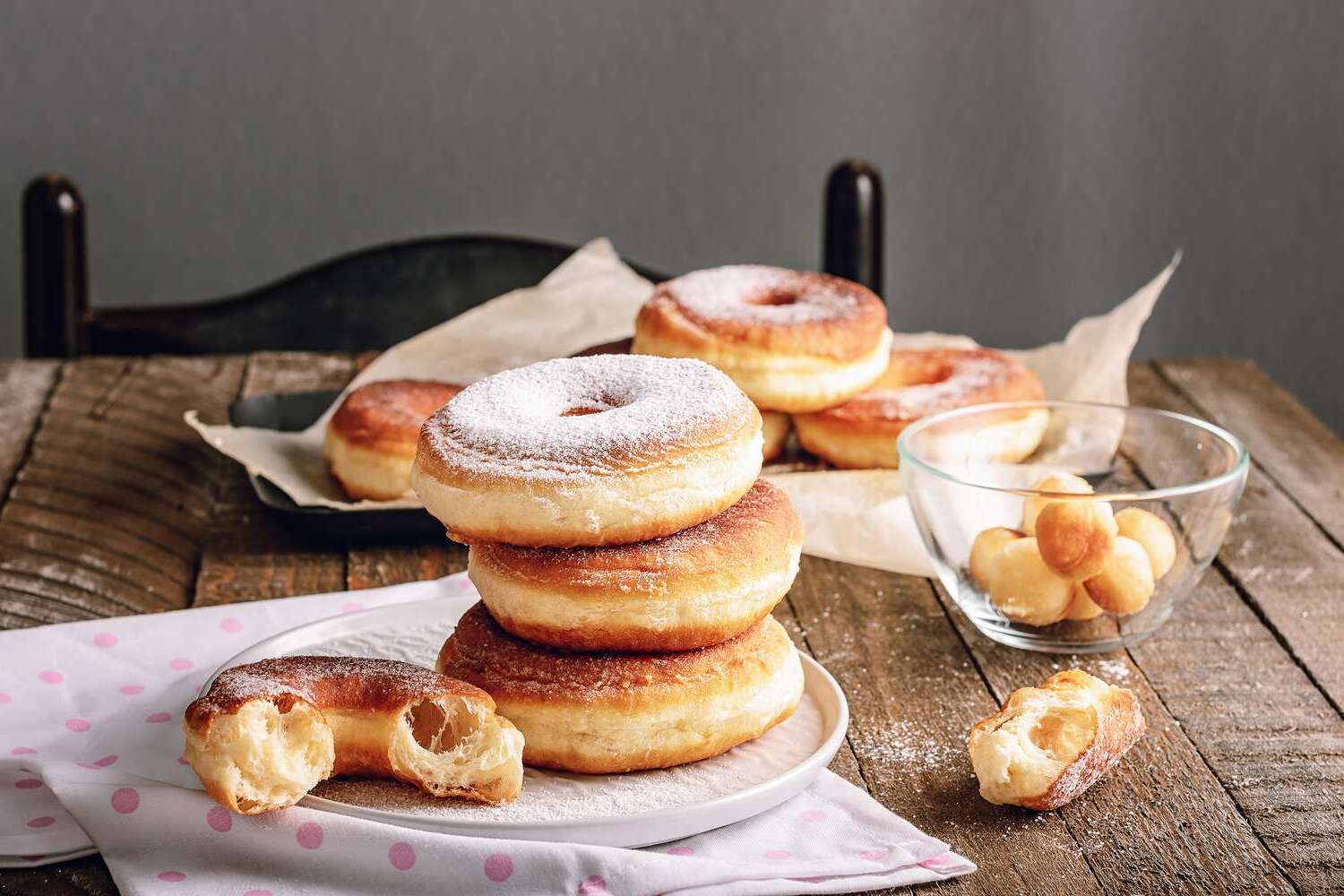
- Doughnuts Recipe35 Minutes
Leave a Reply