
I’m really excited to share this raspberry chipotle sauce recipe with you because it’s a perfect mix of sweet and spicy that can make any meal feel special. I love how the smoky chipotle peppers add a little kick to the fresh raspberries, creating a sauce that’s both bold and comforting. Scroll down to see how simple it is to make this tasty sauce at home!
If you haven’t cooked with chipotle peppers in adobo sauce before, they might be a new ingredient for you. You can usually find them in small cans in the international or Mexican food aisle at the supermarket. They add a smoky, spicy flavor that really makes this sauce stand out. The rest of the ingredients, like raspberries, brown sugar, apple cider vinegar, and salt, are pretty common and easy to find.
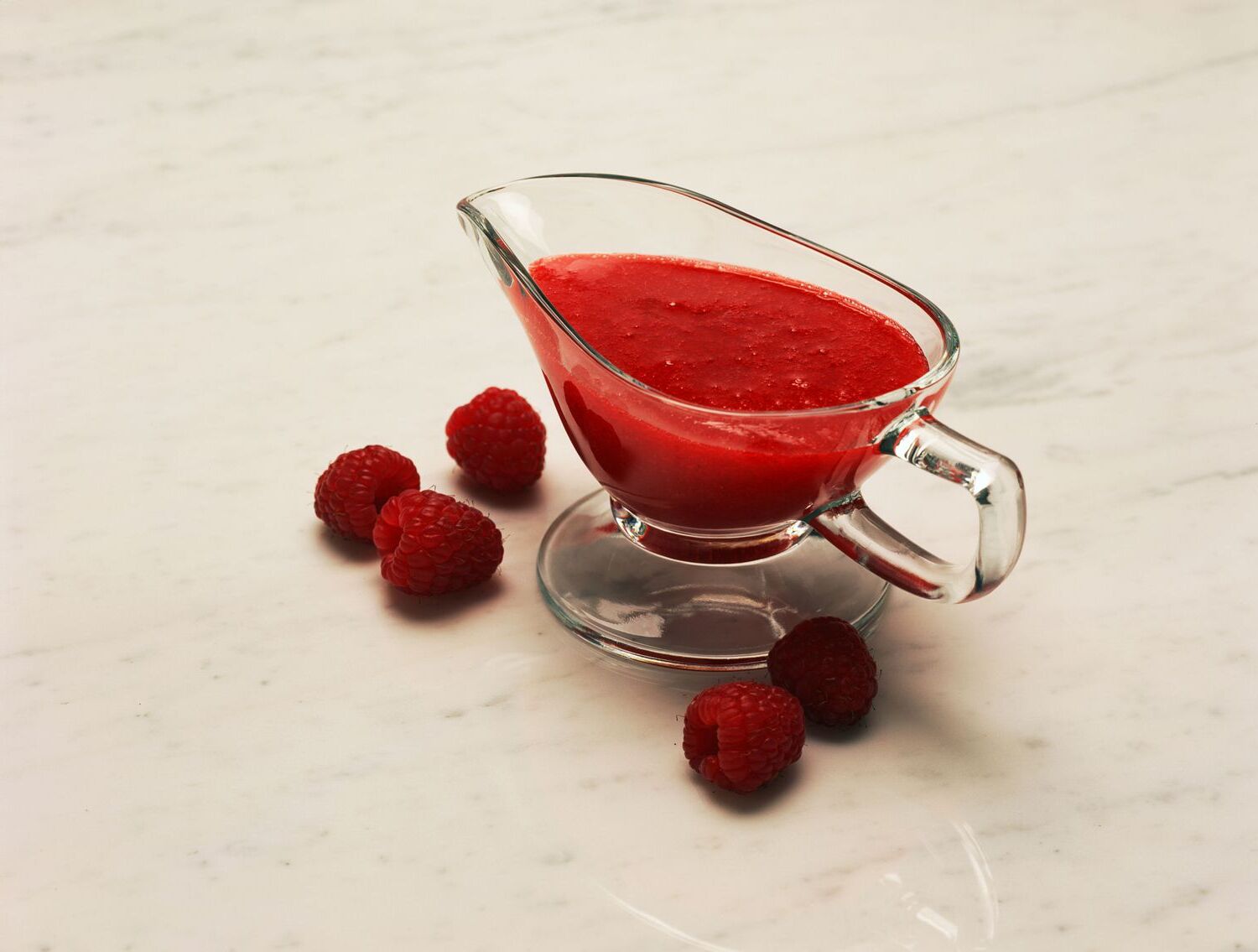
Ingredients for Raspberry Chipotle Sauce Recipe
Raspberries: Fresh or frozen raspberries bring a natural sweetness and bright color to the sauce.
Chipotle peppers in adobo sauce: These smoked and spiced peppers add a smoky heat that balances the sweetness of the raspberries.
Brown sugar: Brown sugar adds a rich sweetness and helps thicken the sauce.
Apple cider vinegar: This vinegar adds a tangy flavor that brightens the sauce and balances the sweetness.
Salt: Salt enhances all the flavors and brings everything together.
Technique Tip for This Sauce
One important step in this Raspberry Chipotle Sauce recipe is bringing the mixture to a simmer and cooking it for 20 minutes while stirring occasionally. Here’s how to do that so your sauce turns out just right:
- Put all your ingredients in a saucepan and turn the heat to medium. You want the sauce to get hot enough to bubble gently, but not boil hard.
- Watch the sauce closely. When you see small bubbles starting to pop around the edges, that’s a simmer.
- Stir the sauce every few minutes to stop it from sticking to the pan or burning on the bottom.
- Keep the heat steady so it doesn’t get too hot and boil fast — a slow simmer helps the flavors blend together better.
Cooking at a gentle simmer instead of a rolling boil makes the sauce taste smoother and richer. It also helps the brown sugar melt evenly and the chipotle peppers soften, so you get that perfect balance of sweet, spicy, and tangy. If the heat is too high, the sauce might burn or get bitter, and if it’s too low, it won’t cook enough to bring out the flavors.
When I first made this sauce, I didn’t stir enough and ended up with a little burnt spot on the bottom. It wasn’t a disaster, but it did change the taste a bit. Now I set a timer to remind myself to stir every 5 minutes, and it’s much better. Also, if you’re in a hurry, you can stir more often and turn the heat down a little to keep it safe. It’s a small step that makes a big difference in how your sauce turns out!
Suggested Side Dishes
Alternative Ingredients
fresh or frozen raspberries - Substitute with blackberries: Blackberries provide a similar tartness and sweetness, making them a good alternative.
chopped chipotle peppers in adobo sauce - Substitute with smoked paprika and cayenne pepper: Smoked paprika gives a smoky flavor while cayenne adds the heat, mimicking the chipotle peppers.
brown sugar - Substitute with honey: Honey offers a natural sweetness and a slightly different flavor profile that complements the sauce.
apple cider vinegar - Substitute with red wine vinegar: Red wine vinegar has a similar acidity and can provide a comparable tanginess.
salt - Substitute with soy sauce: Soy sauce adds saltiness along with a depth of umami flavor.
Other Alternative Recipes Similar to This Sauce
How to Store / Freeze This Sauce
Allow the raspberry chipotle sauce to cool completely before storing. This helps prevent condensation, which can affect the texture and flavor of the sauce.
Transfer the sauce into an airtight container. Glass jars with tight-fitting lids are ideal as they prevent any unwanted odors from seeping in and preserve the freshness of the sauce.
Label the container with the date of preparation. This ensures you keep track of its freshness and use it within the optimal time frame.
Store the sauce in the refrigerator if you plan to use it within a week. The cool temperature will maintain its vibrant flavor and consistency.
For longer storage, consider freezing the sauce. Pour it into freezer-safe containers or ice cube trays for easy portioning. Once frozen, transfer the cubes to a resealable plastic bag to save space.
When ready to use, thaw the frozen sauce in the refrigerator overnight. If you're in a hurry, you can also use the defrost setting on your microwave, but be cautious to avoid overheating.
Give the thawed sauce a good stir before serving. This helps reincorporate any separated ingredients and ensures a smooth, consistent texture.
If you notice any changes in color, texture, or smell, it's best to discard the sauce. Freshness is key to enjoying the full flavor of your raspberry chipotle sauce.
For an extra touch, you can add a splash of apple cider vinegar or a pinch of salt to revive the flavors after thawing. This can help bring back the zing and balance of the sauce.
How to Reheat Leftovers
Gently reheat the raspberry chipotle sauce in a small saucepan over low heat. Stir frequently to prevent sticking and ensure even heating. This method preserves the sauce's texture and flavor.
Use a microwave-safe bowl to reheat the sauce in the microwave. Cover the bowl with a microwave-safe lid or plastic wrap, leaving a small vent. Heat on medium power in 30-second intervals, stirring in between, until the sauce is warmed through.
For a quick and even reheating, place the sauce in a heatproof bowl and set it over a pot of simmering water (double boiler method). Stir occasionally until the sauce is heated to your desired temperature.
If you're planning to use the sauce as a glaze for meat or vegetables, you can brush it on during the last few minutes of cooking. This will warm the sauce and meld the flavors with your dish.
To reheat a larger batch, preheat your oven to 300°F (150°C). Transfer the sauce to an oven-safe dish, cover with foil, and heat for about 10-15 minutes, stirring halfway through. This method is ideal for maintaining the sauce's consistency and depth of flavor.
Best Tools for Making This Sauce
Saucepan: A medium-sized saucepan is essential for combining and cooking the ingredients over medium heat.
Wooden spoon: A wooden spoon is ideal for stirring the mixture occasionally to prevent it from sticking to the bottom of the pan.
Blender: A blender is necessary for blending the cooked mixture until it is smooth.
Fine mesh sieve: A fine mesh sieve can be used to strain the sauce for a smoother texture, removing any seeds or larger particles.
Measuring cups: Measuring cups are needed to accurately measure the raspberries, brown sugar, and apple cider vinegar.
Measuring spoons: Measuring spoons are used to measure the chopped chipotle peppers and salt.
Cutting board: A cutting board provides a surface for chopping the chipotle peppers.
Chef's knife: A chef's knife is used to chop the chipotle peppers finely.
Heat-resistant spatula: A heat-resistant spatula can be useful for scraping down the sides of the saucepan and blender.
Serving bowl: A serving bowl can be used to hold the finished sauce after it has been strained.
How to Save Time on Making This Sauce
Use frozen raspberries: Save time by using frozen raspberries instead of fresh ones; they are pre-washed and ready to use.
Pre-chop chipotle peppers: Chop the chipotle peppers in advance and store them in the fridge for quick access.
Measure ingredients ahead: Measure out the brown sugar, apple cider vinegar, and salt before you start cooking to streamline the process.
Use an immersion blender: Blend the sauce directly in the saucepan with an immersion blender to save time on transferring and cleaning.
Skip straining: If you don't mind a slightly textured sauce, skip the straining step to save a few minutes.
Raspberry Chipotle Sauce Recipe
Ingredients
Main Ingredients
- 1 cup Raspberries fresh or frozen
- 2 tablespoon Chipotle peppers in adobo sauce chopped
- ½ cup Brown sugar
- ¼ cup Apple cider vinegar
- 1 teaspoon Salt
Instructions
- Combine all ingredients in a saucepan over medium heat.
- Bring to a simmer and cook for 20 minutes, stirring occasionally.
- Remove from heat and let cool slightly.
- Blend until smooth using a blender.
- Strain through a fine mesh sieve if desired for a smoother sauce.
Nutritional Value
Keywords
More Amazing Recipes to Try 🙂
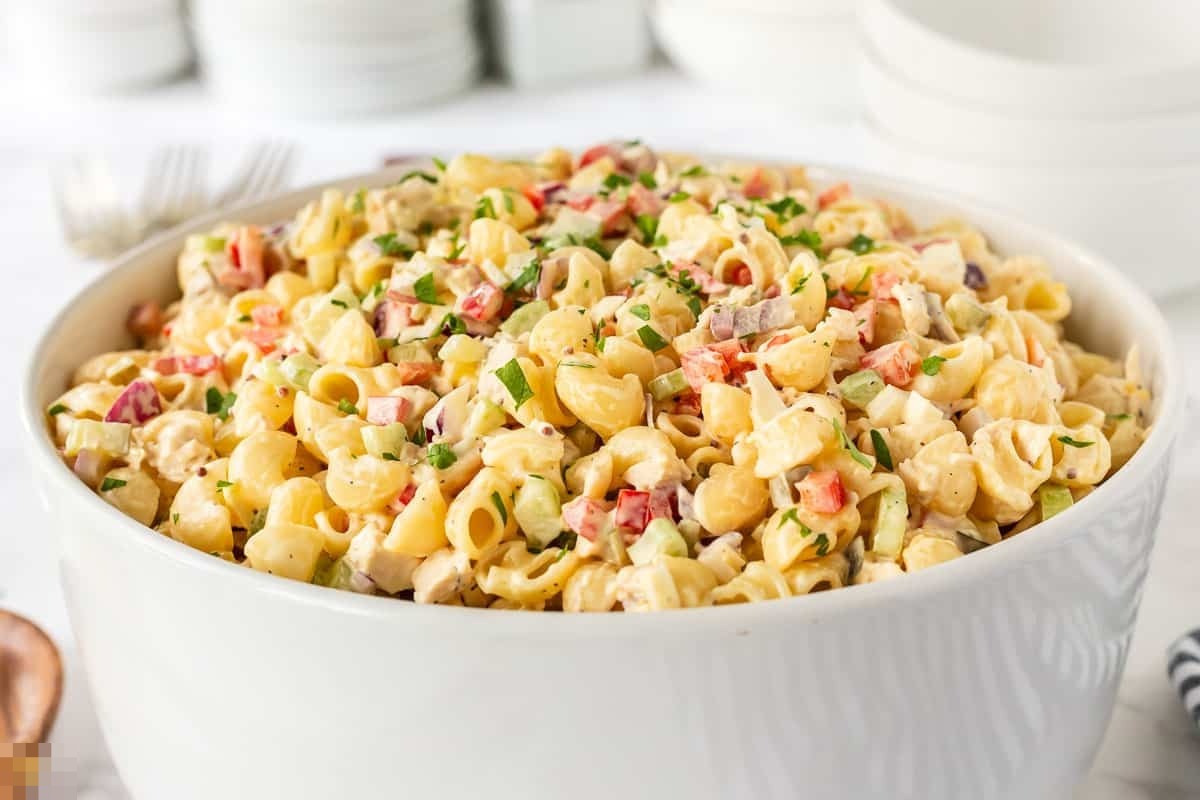
- Cold Chicken Macaroni Salad Recipe25 Minutes
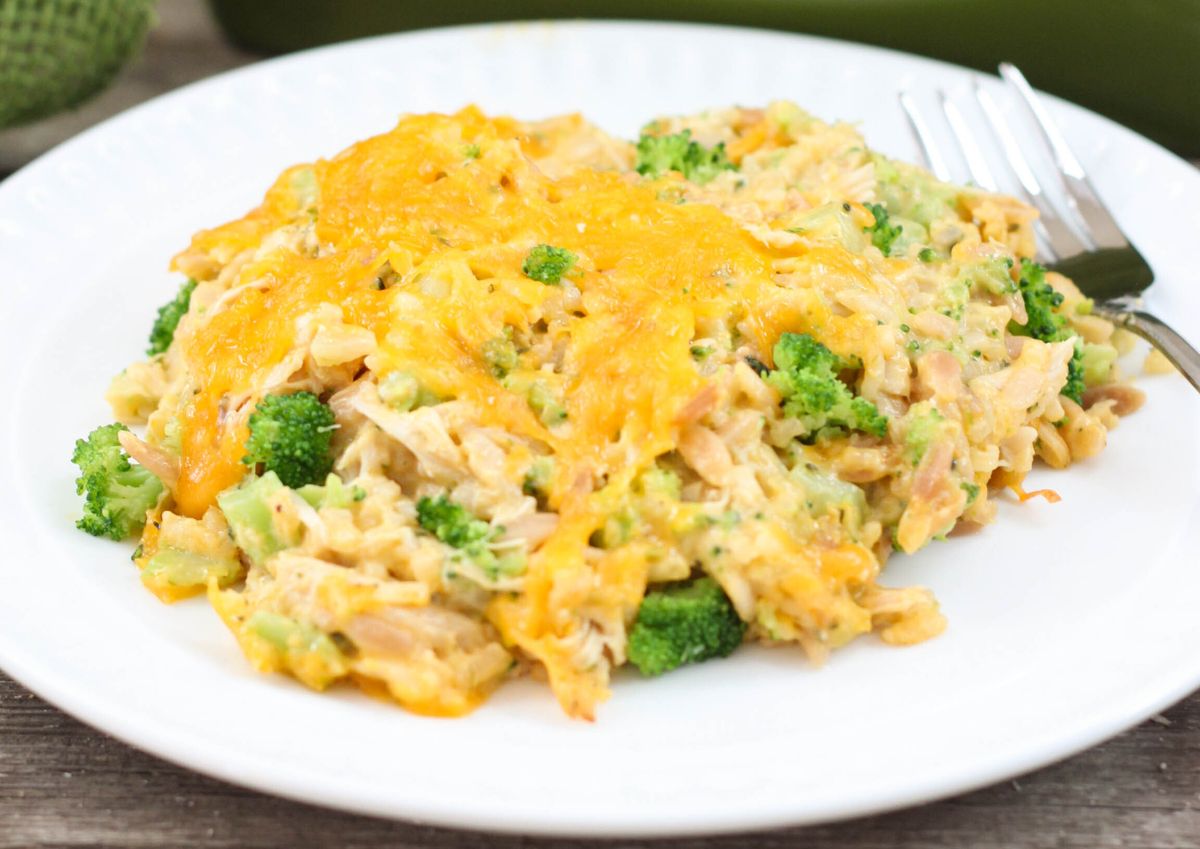
- Broccoli Rice Cheese and Chicken Casserole Recipe45 Minutes
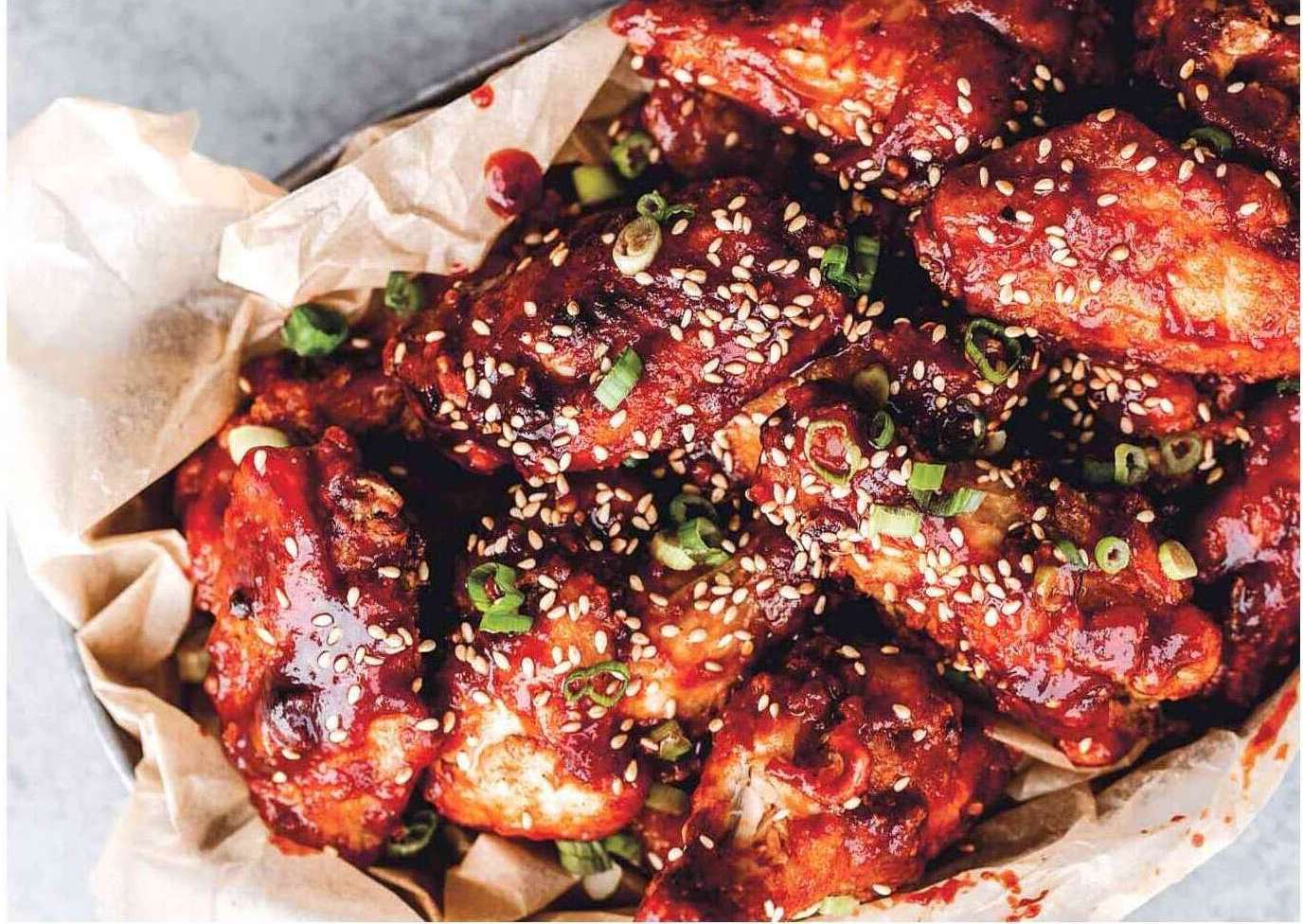
- Sweet Sticky and Spicy Chicken Recipe45 Minutes
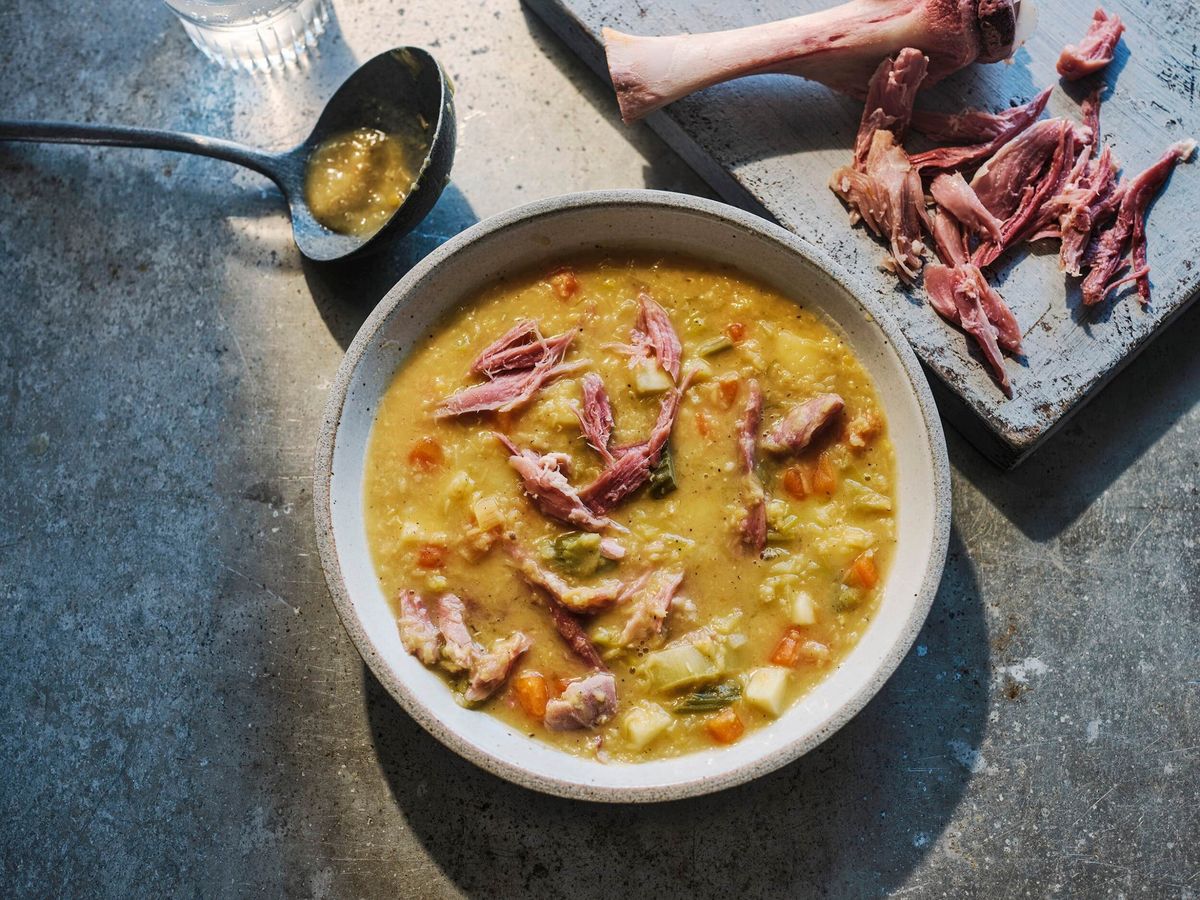
- Lentil Ham Soup Recipe1 Hours 15 Minutes
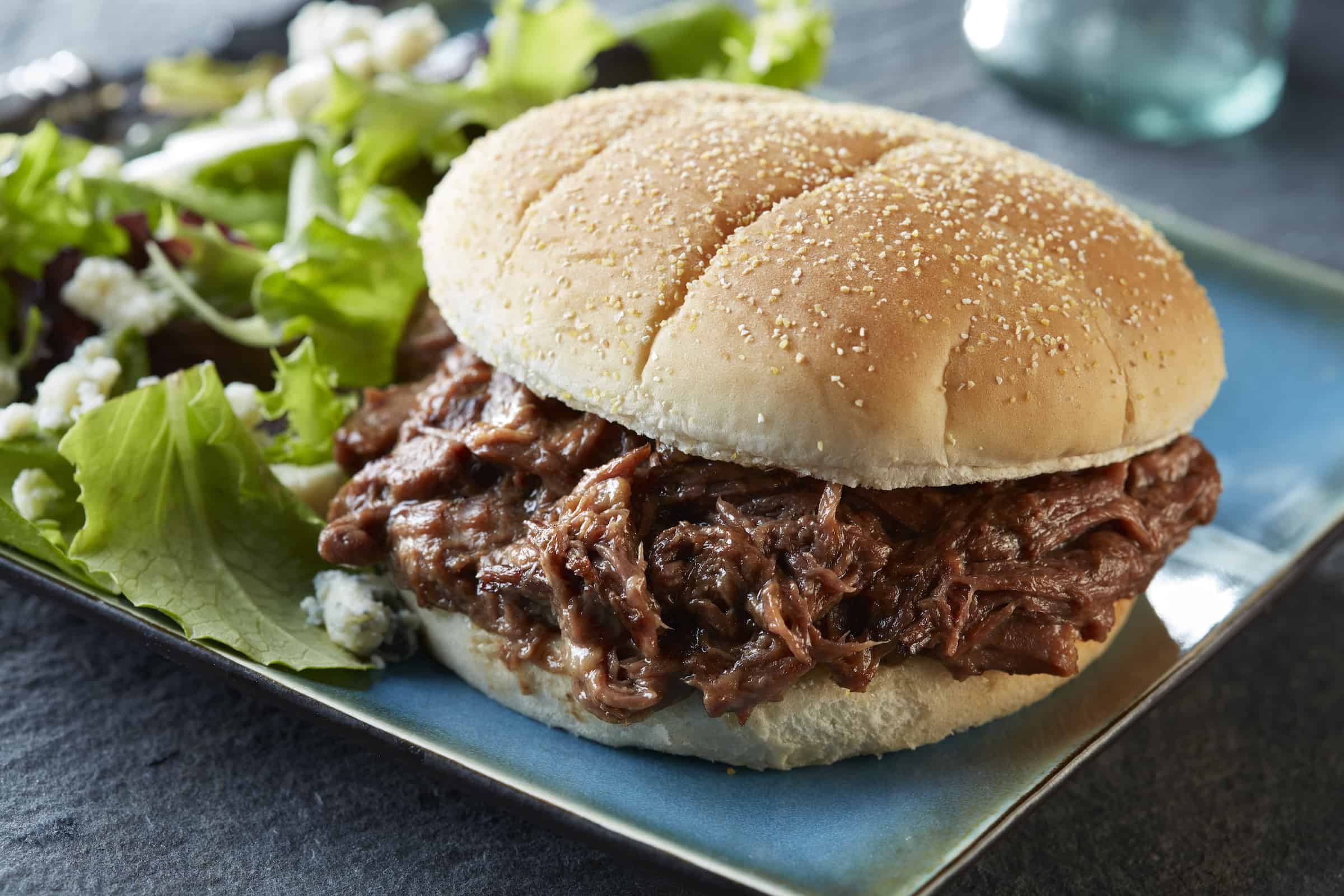
- Hot Beef Sandwiches Recipe30 Minutes
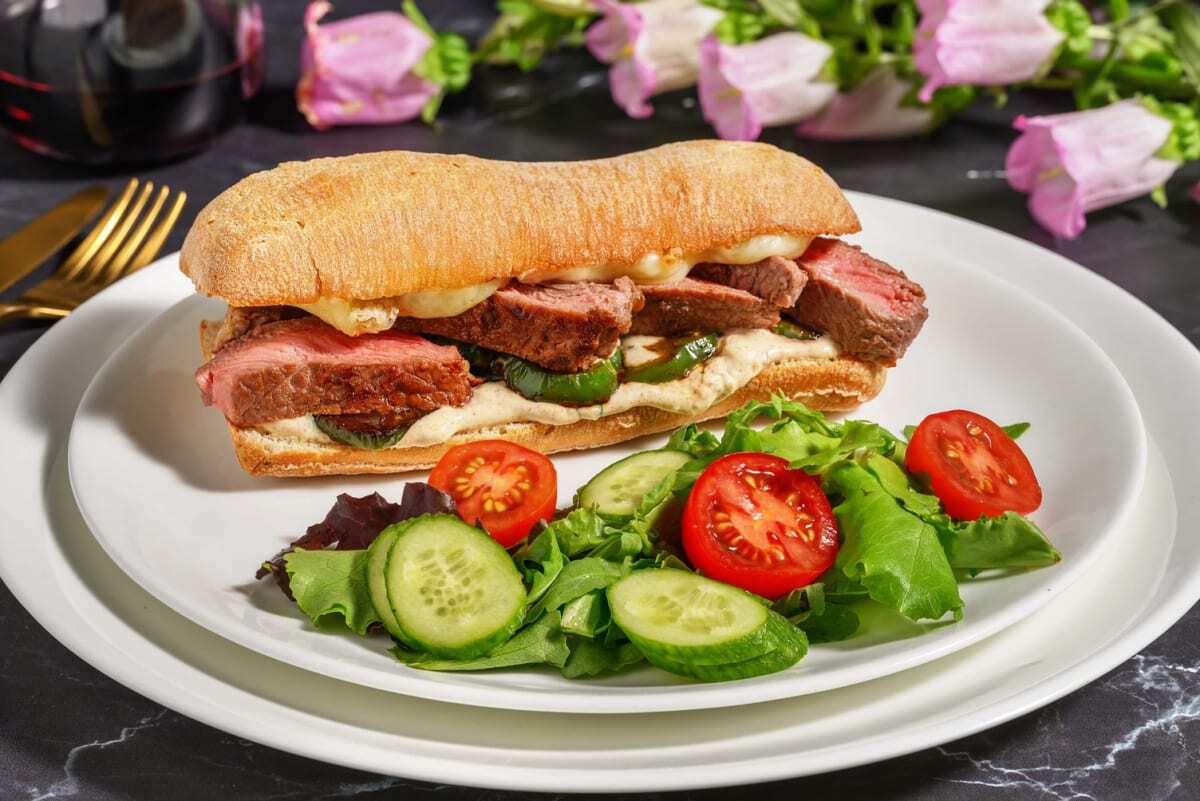
- Mexican Steak Torta Recipe30 Minutes
- Irish Wheaten Bread Recipe55 Minutes
- Ham Bone and Vegetable Soup Recipe2 Hours 15 Minutes

Leave a Reply