

I’m really excited to share this spicy cabbage kimchi recipe with you because it’s one of my favorite ways to add a punch of flavor to any meal. Making kimchi at home feels like a fun little kitchen adventure, and the spicy, tangy taste always makes me smile. Scroll down to see how simple it is to create this delicious dish yourself!
Some ingredients in this recipe might be new if you haven’t cooked Korean food before. For example, gochugaru is Korean red pepper flakes that give kimchi its signature spicy kick. You can usually find it in the international aisle of bigger supermarkets or at Asian grocery stores. Fish sauce is another ingredient that adds a salty, savory depth, so look for it near soy sauce or other Asian condiments.
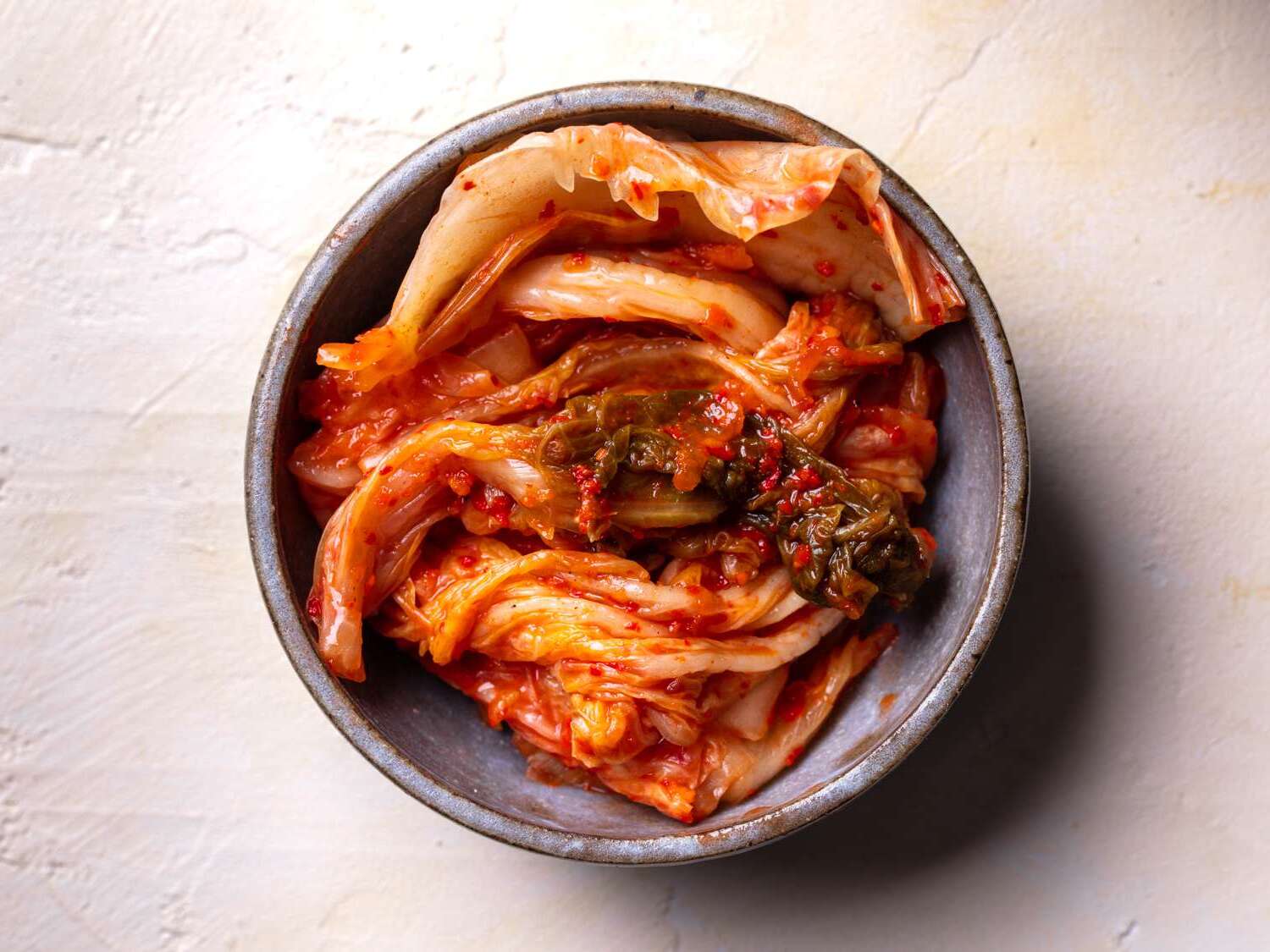
Ingredients For Spicy Cabbage Kimchi Recipe
Napa cabbage: This is a type of cabbage with soft, light green leaves that become tender when fermented.
Salt: Used to draw moisture out of the cabbage and start the fermentation process.
Sugar: Adds a touch of sweetness to balance the spicy and salty flavors.
Gochugaru: Korean red pepper flakes that give kimchi its spicy heat and bright color.
Garlic: Minced garlic adds a sharp, pungent flavor that’s essential in kimchi.
Ginger: Fresh grated ginger brings a warm, slightly spicy note.
Fish sauce: A salty, umami-rich liquid made from fermented fish, important for authentic flavor.
Green onions: Chopped green onions add freshness and a mild onion taste.
Technique Tip for Making Kimchi
One of the most important steps in this Spicy Cabbage Kimchi Recipe is mixing the cabbage with the spicy seasoning mix. You’ll want to use gloves for this part, and here’s why and how to do it right.
First, put on a pair of clean kitchen gloves. This keeps your hands from getting stained by the red pepper flakes and protects your skin from the spicy heat. Then, add the salted and rinsed cabbage to the bowl with the gochugaru, garlic, ginger, fish sauce, sugar, and chopped green onions. Use your hands to gently but firmly mix everything together. Try to spread the spice mix evenly so every piece of cabbage gets coated. You can press and squeeze the cabbage a little to help the flavors soak in.
Doing this by hand makes the mixing smoother because you can feel the texture and make sure nothing is left dry or clumped. It also helps the kimchi ferment better later because the spices are spread out just right. If you tried stirring with a spoon, you might miss some spots or not mix as well.
When I first made kimchi, I didn’t use gloves and ended up with red-stained fingers for days! Now, I always keep a pair handy. Also, if you don’t have gloves, you can use a big spoon or tongs, but it’s not quite the same. Mixing by hand is kind of fun once you get used to it—it’s like you’re giving the cabbage a spicy little massage.
Suggested Side Dishes
Alternative Ingredients
Napa cabbage - Substitute with savoy cabbage: Savoy cabbage has a similar texture and mild flavor, making it a good alternative for kimchi.
Salt - Substitute with sea salt: Sea salt can be used in the same quantity and provides a similar salinity level.
Sugar - Substitute with honey: Honey adds sweetness and a slight floral note, which can enhance the fermentation process.
Gochugaru - Substitute with cayenne pepper: Cayenne pepper provides heat, though it lacks the smoky depth of gochugaru.
Garlic - Substitute with garlic powder: Garlic powder can be used in smaller quantities to impart a similar flavor.
Ginger - Substitute with ground ginger: Ground ginger can be used in smaller amounts to provide a similar warmth and spice.
Fish sauce - Substitute with soy sauce: Soy sauce offers a savory umami flavor, though it lacks the fishy depth of fish sauce.
Green onions - Substitute with chives: Chives offer a mild onion flavor and can be used as a garnish or mixed in.
Alternative Recipes Similar to Kimchi
How to Store or Freeze Kimchi
Ensure your kimchi is packed tightly in a clean, airtight container. This helps maintain its flavor and prevents unwanted bacteria from entering.
Store the kimchi in the refrigerator once it has reached your desired level of fermentation. The cold temperature will slow down the fermentation process, allowing you to enjoy your kimchi for several weeks or even months.
If you wish to freeze your kimchi, portion it into smaller, freezer-safe containers. This makes it easier to defrost only what you need, preserving the rest for future use.
Before freezing, ensure there is some space at the top of the container. Kimchi can expand as it freezes, and leaving room will prevent the container from cracking.
When ready to use, thaw the kimchi in the refrigerator overnight. This gradual thawing process helps maintain its texture and flavor.
Avoid refreezing kimchi once it has been thawed. This can affect its taste and texture, making it less enjoyable.
For optimal flavor, consume your kimchi within 3-6 months of freezing. While it will remain safe to eat beyond this period, the taste and texture may begin to degrade.
How to Reheat Leftovers
Gently warm the kimchi in a skillet over low heat. This method preserves its crunch and tang while adding a subtle warmth. Stir occasionally to ensure even heating.
For a quick fix, microwave the kimchi in a microwave-safe dish. Cover it with a microwave-safe lid or wrap to retain moisture. Heat on medium power in 30-second intervals, stirring in between, until it reaches your desired temperature.
Incorporate the kimchi into a stir-fry. Add it to a hot pan with a splash of sesame oil and your choice of vegetables or protein. This not only reheats the kimchi but also infuses your dish with its spicy, umami-rich flavors.
Transform your kimchi into a comforting kimchi soup. Simmer it in a pot with broth, tofu, and noodles for a hearty meal. The heat will naturally warm the kimchi while creating a deliciously spicy broth.
If you enjoy a smoky flavor, grill the kimchi on a barbecue or grill pan. This method adds a charred depth to the kimchi, making it a perfect side dish for grilled meats.
Essential Tools for This Recipe
Large bowl: Used for tossing the cabbage with salt and allowing it to wilt. It's essential for mixing ingredients thoroughly.
Colander: Useful for rinsing the cabbage under cold water to remove excess salt and ensuring it drains well.
Mixing bowl: Needed for combining the sugar, gochugaru, garlic, ginger, fish sauce, and green onions into a spice mixture.
Gloves: Important for mixing the cabbage with the spice mixture to protect your hands from the spicy ingredients and to ensure even coating.
Jar: Used for packing the kimchi, pressing down to remove air bubbles, and allowing it to ferment properly.
Grater: Handy for grating the ginger to incorporate it smoothly into the spice mixture.
Knife: Essential for cutting the napa cabbage into bite-sized pieces and chopping the green onions.
Time-Saving Tips for Making Kimchi
Pre-salt the cabbage: Start salting the napa cabbage the night before. This allows it to wilt while you sleep, saving time the next day.
Use a food processor: Mince garlic and grate ginger quickly by using a food processor instead of doing it by hand.
Batch preparation: Double the recipe and make a larger batch of kimchi at once. It stores well and saves time on future preparations.
Ready-made gochugaru paste: Purchase pre-made gochugaru paste to skip the step of mixing spices, reducing prep time.
Spicy Cabbage Kimchi Recipe
Ingredients
Main Ingredients
- 1 large Napa cabbage cut into bite-sized pieces
- ¼ cup Salt
- 1 tablespoon Sugar
- 1 tablespoon Gochugaru (Korean red pepper flakes)
- 4 cloves Garlic minced
- 1 inch Ginger grated
- 2 tablespoons Fish sauce
- 4 stalks Green onions chopped
Instructions
- 1. In a large bowl, toss the cabbage with salt. Let it sit for 1-2 hours until it wilts.
- 2. Rinse the cabbage under cold water to remove excess salt. Drain well.
- 3. In another bowl, mix sugar, gochugaru, garlic, ginger, fish sauce, and green onions.
- 4. Add the cabbage to the spice mixture. Use gloves to mix everything well.
- 5. Pack the kimchi into a jar, pressing down to remove air bubbles. Let it ferment at room temperature for 1-5 days, then refrigerate.
Nutritional Value
Keywords
More Amazing Recipes to Try 🙂
- Tandoori Masala Spice Mix Recipe10 Minutes
- Buttermilk Biscuits Recipe30 Minutes
- Banana Split Cake Recipe20 Minutes
- Beef Ribs Recipe3 Hours 15 Minutes
- Egg in a Hole Recipe10 Minutes
- Strawberry Chicken Salad Recipe25 Minutes
- Turkey Brine Recipe15 Minutes
- Vegan Breaded Tofu Recipe35 Minutes








Leave a Reply