
I love making duck rillettes because it feels like a special treat that’s perfect for sharing with friends or family. The slow cooking makes the meat so tender and flavorful, and it’s fun to spread on crusty bread. I can’t wait for you to try this cozy recipe and enjoy the rich taste of duck in a simple way.
Some ingredients in this recipe might be new if you haven’t cooked with duck before. Duck legs and duck fat can usually be found at a well-stocked supermarket or a butcher shop. Fresh thyme and bay leaf are common herbs, but if you don’t have them, dried versions work too. Just make sure to get skin-on duck legs for the best flavor and texture.
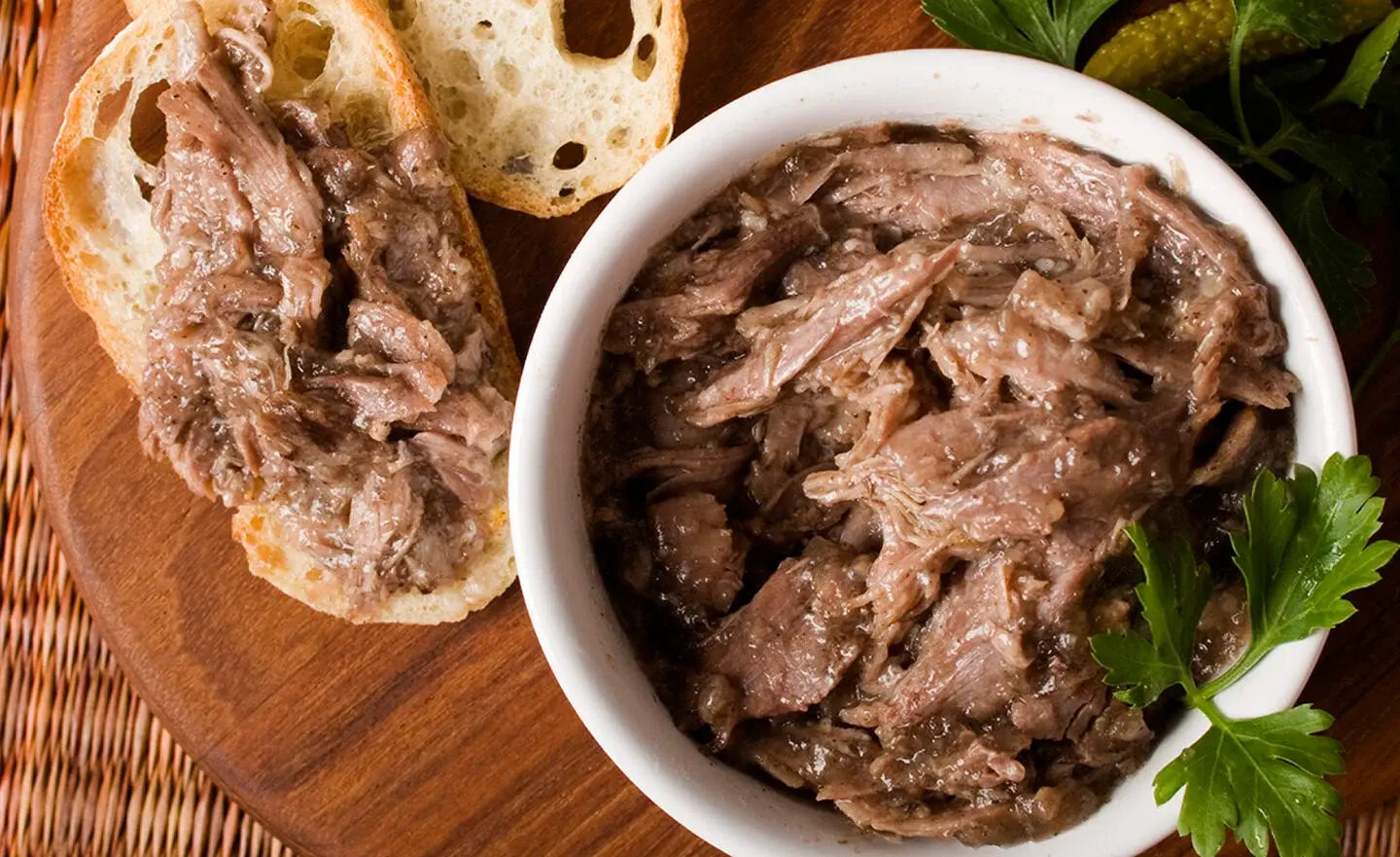
Ingredients For Duck Rillettes Recipe
Duck legs: The main part of the dish, these are skin-on for extra flavor and fat.
Garlic: Adds a mild, aromatic punch to the meat.
Salt: Essential for seasoning and bringing out the flavors.
Ground black pepper: Adds a bit of heat and depth.
Duck fat: Used for cooking the duck slowly and keeping it moist; also used to seal the rillettes.
Fresh thyme: A fragrant herb that pairs beautifully with duck.
Bay leaf: Adds a subtle earthy flavor during cooking.
Technique Tip for This Recipe
One of the most important steps in making this Duck Rillettes Recipe is cooking the duck legs slowly in the melted duck fat. This slow cooking is what makes the meat so tender that it falls right off the bone. Here’s how to get that just right:
- Preheat your oven to 250°F (120°C). This low temperature is key because it gently cooks the duck without drying it out.
- Season the duck legs with salt and pepper so the flavors start building early.
- Place the duck legs in a heavy pot or dutch oven along with the garlic, thyme, and bay leaf.
- Pour the melted duck fat over everything, making sure the duck legs are mostly covered. This fat acts like a cozy blanket, keeping the meat moist and flavorful.
- Cover the pot tightly and put it in the oven for about 3 hours. Resist the urge to open the lid too often because the heat and steam inside help break down the meat slowly.
Why does this slow cooking make a difference? When you cook meat at a low temperature for a long time, the tough parts soften, and the flavors get richer. The duck fat also adds a silky texture and helps keep the meat juicy. If you tried cooking the duck legs quickly at a high temperature, the meat would be tough and dry instead of tender and melt-in-your-mouth.
A little tip from me: the first time I made rillettes, I didn’t cover the pot well and the fat started to evaporate too much. The meat ended up a bit dry. Now, I always make sure the lid fits snugly or I cover the pot with foil before putting the lid on. It keeps the fat from disappearing and makes the rillettes perfect every time. Plus, saving that duck fat means you can use it later for roasting potatoes or frying eggs—bonus!
Suggested Side Dishes
Alternative Ingredients
duck legs - Substitute with chicken thighs: Chicken thighs have a similar texture and fat content, making them a good alternative for the rich, tender meat needed in rillettes.
minced garlic - Substitute with garlic powder: Garlic powder can provide a similar flavor profile, though it is less intense than fresh minced garlic.
salt - Substitute with kosher salt: Kosher salt has a similar flavor but is less dense, so you may need to adjust the quantity slightly.
ground black pepper - Substitute with white pepper: White pepper has a similar heat and flavor but is less visually noticeable in the final dish.
melted duck fat - Substitute with pork lard: Pork lard has a similar consistency and richness, making it a suitable replacement for duck fat.
fresh thyme - Substitute with dried thyme: Dried thyme can be used in place of fresh thyme, though you should use about half the amount since dried herbs are more concentrated.
bay leaf - Substitute with dried oregano: Dried oregano can provide a similar earthy flavor, though it is slightly more pungent than bay leaf.
Other Alternative Recipes
How to Store or Freeze This Dish
- Ensure the duck rillettes have cooled completely before storing. This helps maintain their texture and flavor.
- Transfer the rillettes into airtight containers, such as glass jars or ramekins. Make sure to leave a thin layer of duck fat on top to seal in the flavors and preserve the meat.
- Label each container with the date of preparation. This helps you keep track of freshness and ensures you enjoy the rillettes at their best.
- Store the containers in the refrigerator. Properly sealed, the duck rillettes can last up to one month.
- For longer storage, consider freezing the rillettes. Place the airtight containers in the freezer, where they can be kept for up to three months.
- When ready to use frozen rillettes, transfer the container to the refrigerator and allow it to thaw slowly overnight. This gradual thawing helps maintain the texture and flavor.
- Once thawed, consume the rillettes within a week for optimal taste and quality.
- If you notice any off smells or changes in texture, discard the rillettes to ensure food safety.
- To serve, bring the rillettes to room temperature for about 30 minutes. This allows the flavors to fully develop and makes spreading easier.
- Pair the duck rillettes with crusty bread, cornichons, or a side of pickled vegetables for a delightful culinary experience.
How to Reheat Leftovers
Stovetop Method:
- Place a non-stick skillet over medium-low heat.
- Add a small amount of duck fat or olive oil to the pan.
- Once the fat is melted and the pan is warm, add the duck rillettes.
- Stir occasionally, allowing the rillettes to heat evenly. This should take about 5-7 minutes.
- Serve warm with crusty bread or crackers.
Oven Method:
- Preheat your oven to 300°F (150°C).
- Place the duck rillettes in an oven-safe dish.
- Cover the dish with aluminum foil to prevent drying out.
- Heat in the oven for about 15-20 minutes, or until warmed through.
- Stir halfway through the reheating process to ensure even warming.
Microwave Method:
- Transfer a portion of the duck rillettes to a microwave-safe dish.
- Cover the dish with a microwave-safe lid or plastic wrap, leaving a small vent.
- Microwave on medium power for 1-2 minutes.
- Stir and check the temperature. If needed, continue microwaving in 30-second intervals until heated through.
Sous Vide Method:
- Place the duck rillettes in a vacuum-sealed bag or a resealable plastic bag, removing as much air as possible.
- Set your sous vide machine to 140°F (60°C).
- Submerge the bag in the water bath and let it heat for about 30 minutes.
- Remove from the bag and serve immediately.
Toaster Oven Method:
- Preheat your toaster oven to 300°F (150°C).
- Place the duck rillettes in a small oven-safe dish.
- Cover with aluminum foil to retain moisture.
- Heat for 10-15 minutes, checking halfway through to stir and ensure even heating.
Double Boiler Method:
- Fill a saucepan with water and bring it to a simmer.
- Place the duck rillettes in a heatproof bowl that fits snugly over the saucepan.
- Stir occasionally as the steam gently warms the rillettes.
- Once heated through, remove from the heat and serve.
Best Tools for This Recipe
Oven: Used to cook the duck legs slowly at a low temperature, ensuring they become tender and flavorful.
Dutch oven: A heavy-duty pot that retains heat well, perfect for slow-cooking the duck legs in duck fat.
Measuring spoons: Essential for accurately measuring the salt and pepper to season the duck legs.
Garlic press: Handy for mincing the garlic cloves quickly and efficiently.
Mixing bowl: Used to combine the shredded duck meat with the cooking fat and adjust the seasoning.
Tongs: Useful for handling the hot duck legs when removing them from the Dutch oven.
Forks: Ideal for shredding the cooked duck meat once it has cooled slightly.
Jars or ramekins: Containers for packing the duck rillettes, ensuring they are stored properly.
Knife: Necessary for trimming any excess fat or skin from the duck legs before cooking.
Cutting board: Provides a stable surface for preparing the duck legs and other ingredients.
Ladle: Useful for pouring the melted duck fat over the duck legs in the Dutch oven.
Spoon: Helps in mixing the shredded duck meat with the cooking fat.
Refrigerator: Essential for chilling the packed rillettes, allowing the flavors to meld and the fat to solidify.
How to Save Time on This Recipe
Preheat the oven early: Start preheating your oven while you prepare the duck legs and other ingredients to save time.
Use pre-minced garlic: Opt for pre-minced garlic to cut down on prep time.
Melt duck fat in advance: Melt the duck fat ahead of time so it’s ready to pour over the duck legs immediately.
Shred while warm: Shred the duck meat while it’s still warm to make the process easier and quicker.
Prepare jars beforehand: Have your jars or ramekins ready and nearby to pack the rillettes immediately after mixing.
Duck Rillettes Recipe
Ingredients
Main Ingredients
- 4 lbs Duck legs skin on
- 2 cloves Garlic minced
- 1 tablespoon Salt
- 1 teaspoon Black pepper ground
- 2 cups Duck fat melted
- 2 sprigs Thyme fresh
- 1 bay leaf Bay leaf
Instructions
- 1. Preheat your oven to 250°F (120°C).
- 2. Season the duck legs with salt and pepper.
- 3. In a Dutch oven, place the duck legs, garlic, thyme, and bay leaf. Pour the melted duck fat over the duck legs.
- 4. Cover and cook in the oven for about 3 hours, until the meat is very tender and easily pulls away from the bone.
- 5. Remove the duck legs from the fat and let them cool slightly. Shred the meat, discarding the skin and bones.
- 6. In a mixing bowl, combine the shredded duck meat with a bit of the cooking fat to moisten. Adjust seasoning if necessary.
- 7. Pack the mixture into jars or ramekins, cover with a thin layer of duck fat, and refrigerate until ready to use.
Nutritional Value
Keywords
Suggested Main Courses and Desserts
More Amazing Recipes to Try 🙂
- Banana Split Cake Recipe20 Minutes
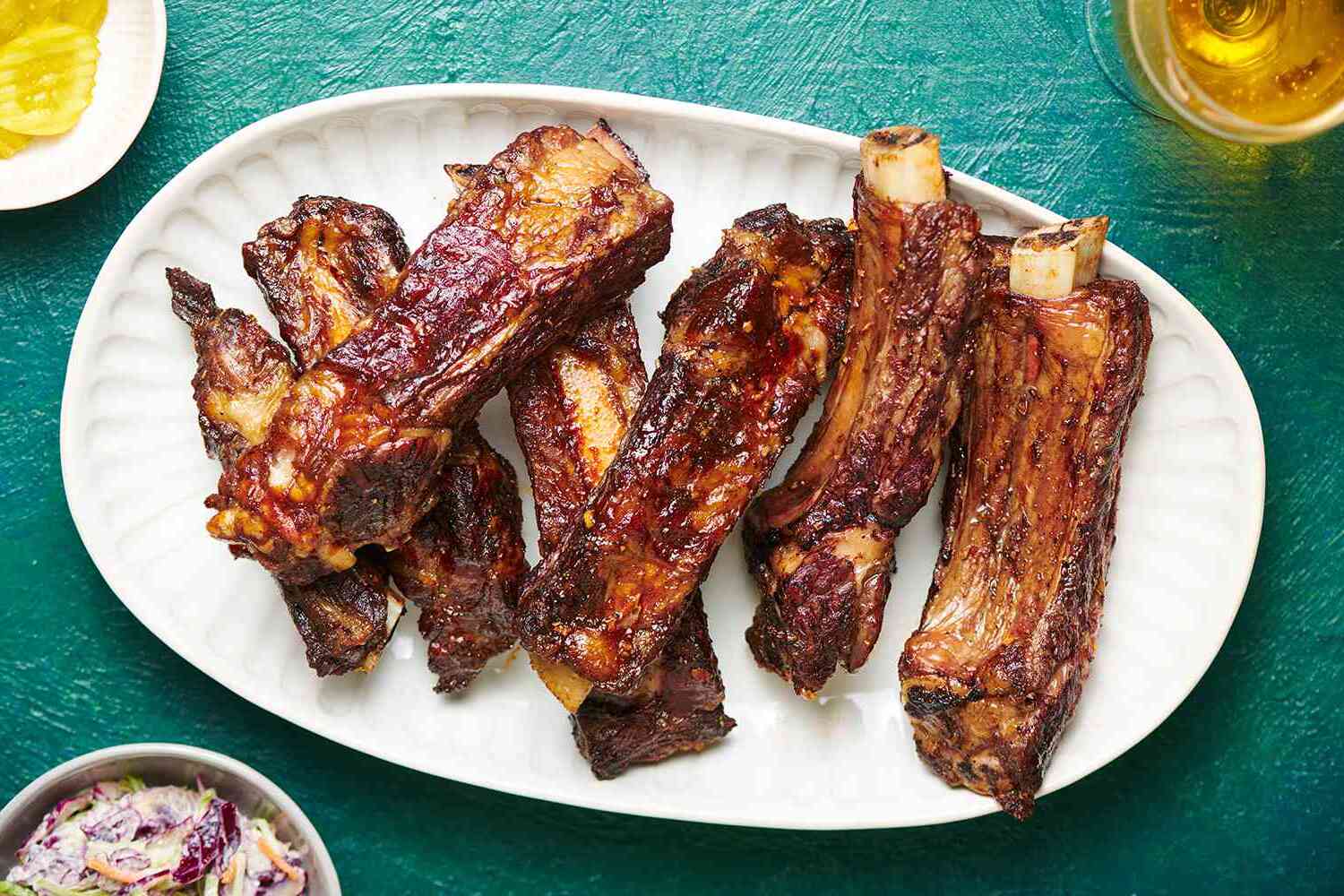
- Beef Ribs Recipe3 Hours 15 Minutes
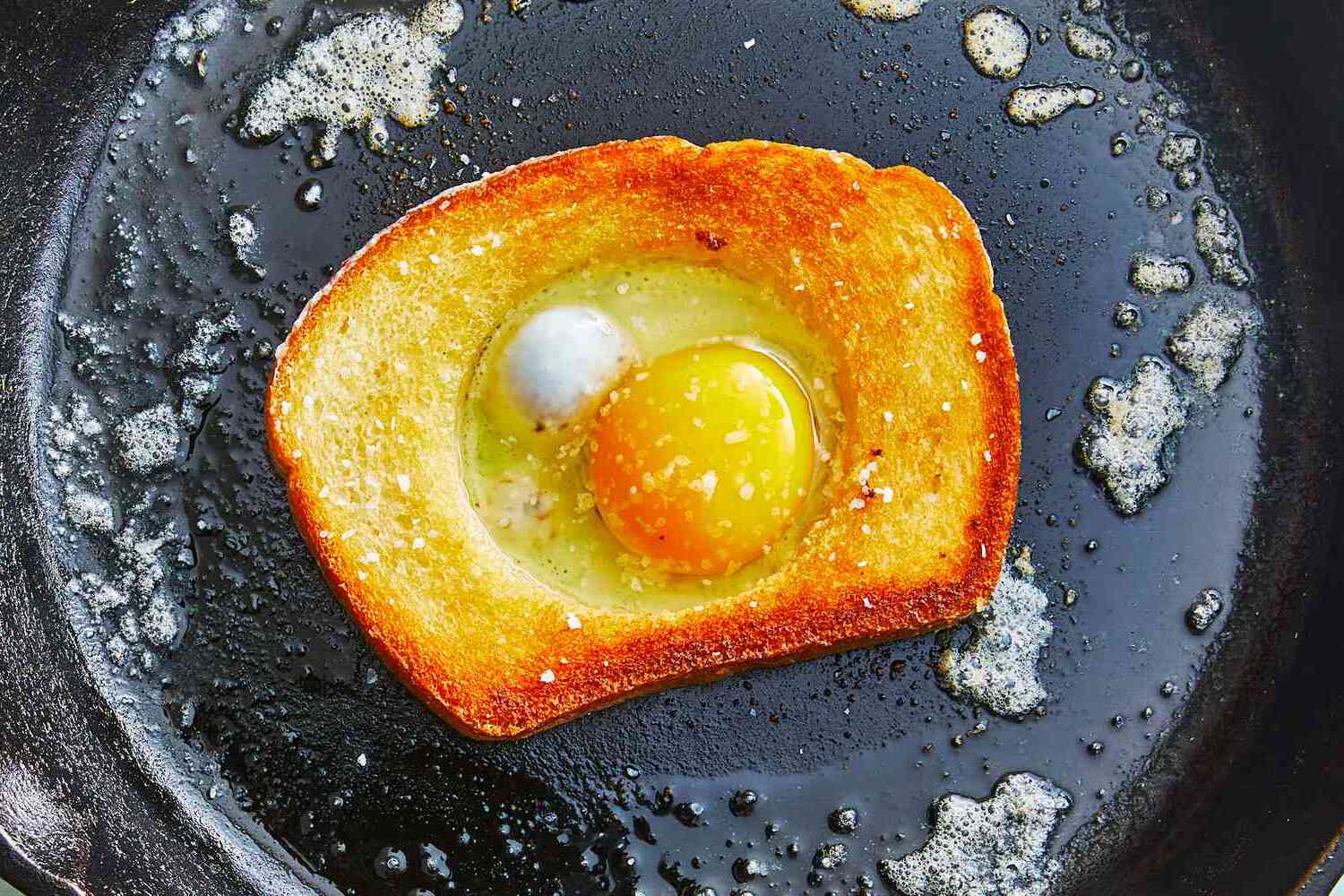
- Egg in a Hole Recipe10 Minutes
- Strawberry Chicken Salad Recipe25 Minutes
- Turkey Brine Recipe15 Minutes
- Vegan Breaded Tofu Recipe35 Minutes
- Air Fryer Vegan Buffalo Cauliflower Recipe30 Minutes
- Lemon Posset Recipe15 Minutes





Leave a Reply