
This hearty beef and cabbage stew is perfect for a cozy night in. It's packed with tender beef, fresh vegetables, and a flavorful broth that will warm you from the inside out. Simple to prepare and full of nutrients, this stew is sure to become a family favorite.
When preparing this recipe, you might need to visit the supermarket for a few key ingredients. Make sure to pick up beef stew meat, which is typically sold in chunks and is perfect for slow cooking. Beef broth is another essential component, providing a rich base for the stew. Don't forget a can of diced tomatoes, which adds a tangy depth to the dish. Fresh thyme and a bay leaf will enhance the flavor profile, so be sure to grab those as well.
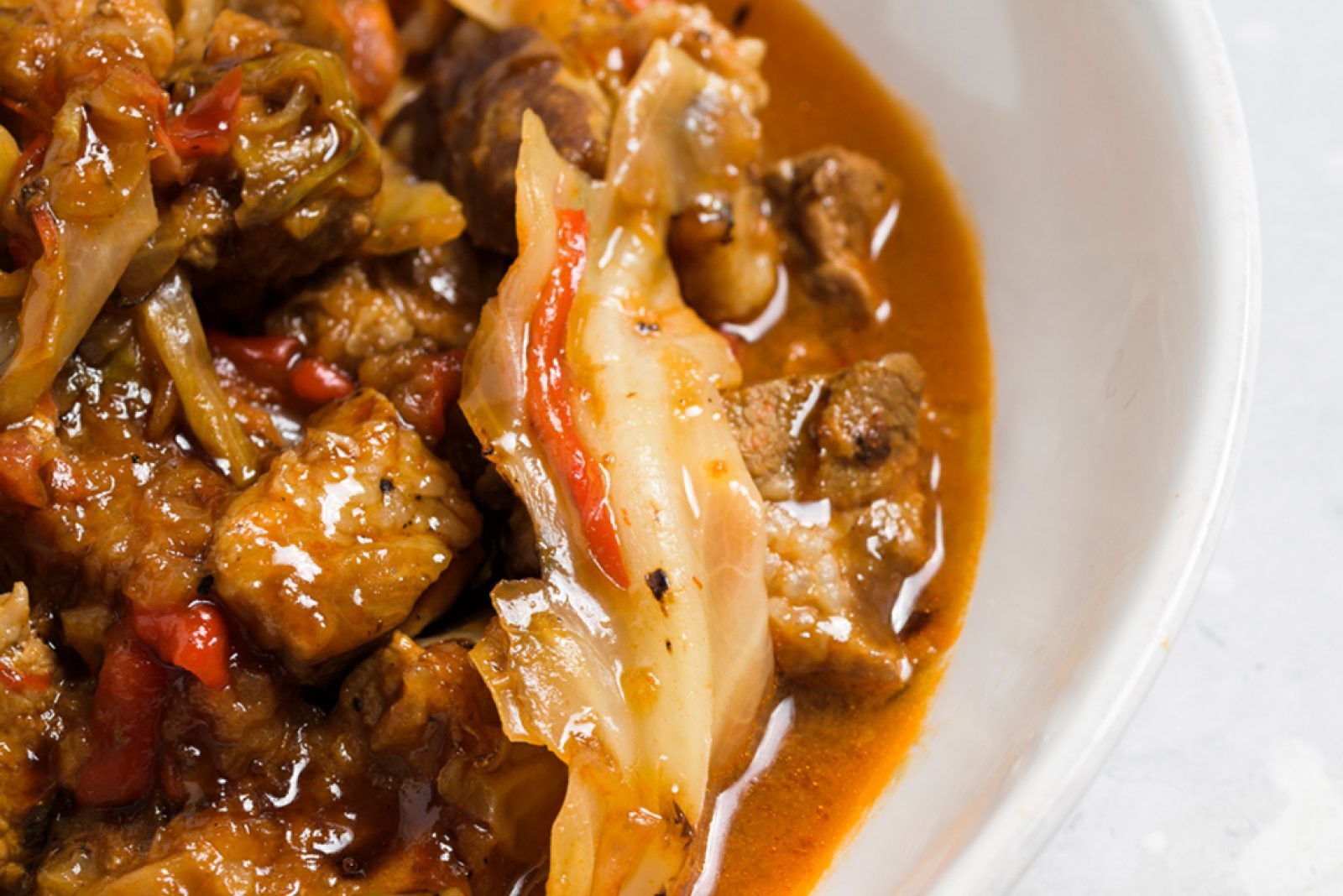
Ingredients For Beef And Cabbage Stew Recipe
Beef stew meat: Tender chunks of beef perfect for slow cooking.
Cabbage: Adds a hearty texture and absorbs the flavors of the stew.
Onion: Provides a sweet and savory base for the stew.
Carrots: Adds natural sweetness and color to the dish.
Garlic: Enhances the overall flavor with its aromatic qualities.
Beef broth: Forms the rich and savory base of the stew.
Diced tomatoes: Adds a tangy and slightly sweet flavor.
Olive oil: Used for browning the beef and sautéing the vegetables.
Thyme: Adds a subtle earthiness to the stew.
Bay leaf: Infuses the stew with a mild, herbal flavor.
Technique Tip for This Recipe
When browning the beef stew meat, make sure not to overcrowd the pot. Overcrowding can cause the meat to steam rather than brown, which will affect the depth of flavor in your stew. Brown the meat in batches if necessary to ensure each piece gets a nice, caramelized exterior. This step is crucial for developing a rich, savory base for your beef and cabbage stew.
Suggested Side Dishes
Alternative Ingredients
beef stew meat - Substitute with lamb stew meat: Lamb provides a similar texture and rich flavor, making it a good alternative for beef in stews.
beef stew meat - Substitute with chicken thighs: Chicken thighs are tender and flavorful, offering a lighter option for those who prefer poultry.
cabbage - Substitute with kale: Kale holds up well in stews and provides a similar texture and nutritional profile.
cabbage - Substitute with bok choy: Bok choy adds a slightly different flavor but maintains the leafy green element in the stew.
onion - Substitute with leeks: Leeks offer a milder, sweeter flavor that can enhance the overall taste of the stew.
onion - Substitute with shallots: Shallots provide a more delicate and slightly sweet flavor compared to onions.
carrots - Substitute with parsnips: Parsnips have a similar texture but add a slightly sweeter, nutty flavor.
carrots - Substitute with sweet potatoes: Sweet potatoes add a different texture and a touch of sweetness to the stew.
garlic - Substitute with garlic powder: Garlic powder can be used in place of fresh garlic, though it is less pungent.
garlic - Substitute with shallots: Shallots can provide a mild garlic-like flavor with a hint of sweetness.
beef broth - Substitute with chicken broth: Chicken broth is a lighter alternative that still adds depth to the stew.
beef broth - Substitute with vegetable broth: Vegetable broth is a good option for a vegetarian version of the stew.
diced tomatoes - Substitute with crushed tomatoes: Crushed tomatoes provide a similar texture and flavor, making them an easy swap.
diced tomatoes - Substitute with tomato paste and water: Tomato paste mixed with water can mimic the consistency and flavor of diced tomatoes.
olive oil - Substitute with canola oil: Canola oil has a neutral flavor and similar cooking properties.
olive oil - Substitute with butter: Butter adds a rich flavor and can be used for sautéing the vegetables.
thyme - Substitute with oregano: Oregano has a similar earthy flavor and can be used in place of thyme.
thyme - Substitute with rosemary: Rosemary offers a robust flavor that complements the other ingredients in the stew.
bay leaf - Substitute with oregano: Oregano can provide a similar aromatic quality to the stew.
bay leaf - Substitute with thyme: Thyme can add a similar depth of flavor to the stew.
Alternative Recipes Similar to This Stew
How to Store or Freeze This Stew
Allow the beef and cabbage stew to cool to room temperature before storing. This helps prevent condensation, which can lead to soggy vegetables and a diluted broth.
Transfer the stew into airtight containers. For optimal freshness, use containers that are specifically designed for storing soups and stews, as they provide a tight seal.
Label each container with the date of preparation. This ensures you keep track of how long the stew has been stored and helps maintain food safety.
Store the containers in the refrigerator if you plan to consume the stew within 3-4 days. The cool temperature will help preserve the flavors and textures of the beef and vegetables.
For longer storage, place the containers in the freezer. The stew can be frozen for up to 3 months without significant loss of quality. Ensure there is some space at the top of the container to allow for expansion as the stew freezes.
When ready to enjoy, thaw the stew in the refrigerator overnight. This gradual thawing process helps maintain the integrity of the cabbage and other vegetables.
Reheat the stew on the stovetop over medium heat, stirring occasionally to ensure even heating. If the stew appears too thick after reheating, add a splash of beef broth or water to reach the desired consistency.
For a quick reheating option, use the microwave. Transfer the stew to a microwave-safe bowl, cover with a microwave-safe lid or plastic wrap, and heat in 1-2 minute intervals, stirring in between, until the stew is thoroughly heated.
Always check the temperature before serving. The stew should be heated to at least 165°F (74°C) to ensure it is safe to eat.
If you find the flavors have mellowed during storage, feel free to adjust the seasoning with a pinch of salt, pepper, or a dash of thyme to refresh the taste.
How to Reheat Leftovers
Stovetop Method: Place the leftover beef and cabbage stew in a pot. Add a splash of beef broth or water to prevent it from drying out. Heat over medium-low heat, stirring occasionally, until the stew is heated through. This method helps maintain the texture of the vegetables and the tenderness of the beef.
Microwave Method: Transfer the stew to a microwave-safe container. Cover with a microwave-safe lid or a damp paper towel to retain moisture. Heat on high for 2-3 minutes, stirring halfway through. Continue heating in 1-minute increments until the stew is hot. Be cautious not to overheat, as this can make the beef tough and the vegetables mushy.
Oven Method: Preheat your oven to 350°F (175°C). Place the stew in an oven-safe dish and cover with aluminum foil to keep it from drying out. Heat for about 20-30 minutes, or until the stew is thoroughly warmed. This method is great for reheating larger portions and ensures even heating.
Slow Cooker Method: If you have a bit more time, transfer the leftover stew to a slow cooker. Set it on low and let it heat for 1-2 hours. This gentle reheating method helps maintain the integrity of the ingredients and melds the flavors even more.
Double Boiler Method: For a more delicate reheating, place the stew in a heatproof bowl and set it over a pot of simmering water. Stir occasionally until the stew is heated through. This method is particularly useful if you want to avoid direct heat and prevent overcooking.
Sous Vide Method: If you have a sous vide machine, place the stew in a vacuum-sealed bag or a ziplock bag with the air removed. Set the sous vide machine to 165°F (74°C) and immerse the bag in the water bath. Heat for about 45 minutes to an hour. This method ensures the stew is evenly heated without losing moisture or texture.
Best Tools for This Recipe
Large pot: A large pot is essential for browning the beef and simmering the stew to ensure even cooking and melding of flavors.
Wooden spoon: A wooden spoon is perfect for stirring the ingredients without scratching the pot.
Chef's knife: A chef's knife is necessary for chopping the cabbage, onion, and slicing the carrots efficiently.
Cutting board: A cutting board provides a safe and stable surface for chopping and slicing the vegetables and meat.
Measuring spoons: Measuring spoons are used to accurately measure the thyme and olive oil.
Measuring cup: A measuring cup is useful for measuring the beef broth to ensure the correct amount is added to the stew.
Can opener: A can opener is needed to open the can of diced tomatoes.
Ladle: A ladle is ideal for serving the stew into bowls once it is ready.
Tongs: Tongs can be helpful for handling the beef stew meat while browning it in the pot.
How to Save Time on This Recipe
Pre-cut vegetables: Chop the cabbage, onion, and carrots ahead of time and store them in the fridge.
Use pre-minced garlic: Save time by using store-bought minced garlic instead of mincing it yourself.
Instant pot option: Use an Instant Pot to cut down the simmering time significantly.
Batch cooking: Double the recipe and freeze half for a quick meal later.
Pre-browned meat: Brown the beef stew meat in advance and store it in the fridge until ready to use.
Beef and Cabbage Stew
Ingredients
Main Ingredients
- 1 lb beef stew meat
- 0.5 head cabbage, chopped
- 1 onion, chopped
- 2 carrots, sliced
- 2 cloves garlic, minced
- 4 cups beef broth
- 1 can diced tomatoes
- 2 tablespoon olive oil
- Salt and pepper to taste
- 1 teaspoon thyme
- 1 bay leaf
Instructions
- Heat olive oil in a large pot over medium heat. Add beef and cook until browned.
- Add onion, carrots, and garlic. Cook until vegetables are softened.
- Stir in cabbage, beef broth, diced tomatoes, thyme, and bay leaf. Bring to a boil.
- Reduce heat, cover, and simmer for 1 hour.
- Season with salt and pepper to taste. Remove bay leaf before serving.
Nutritional Value
Keywords
Suggested Appetizers and Desserts
More Amazing Recipes to Try 🙂
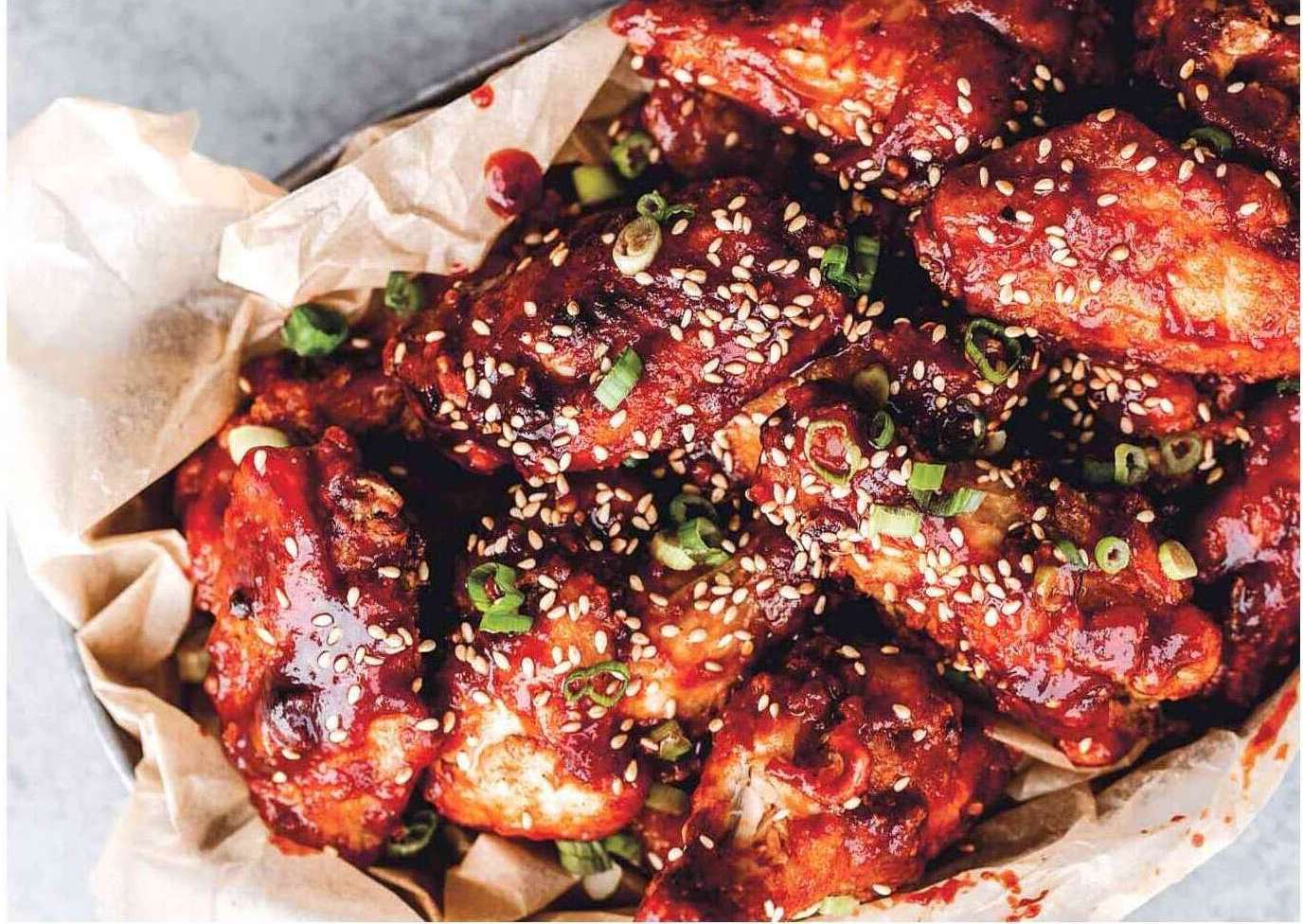
- Sweet Sticky and Spicy Chicken Recipe45 Minutes
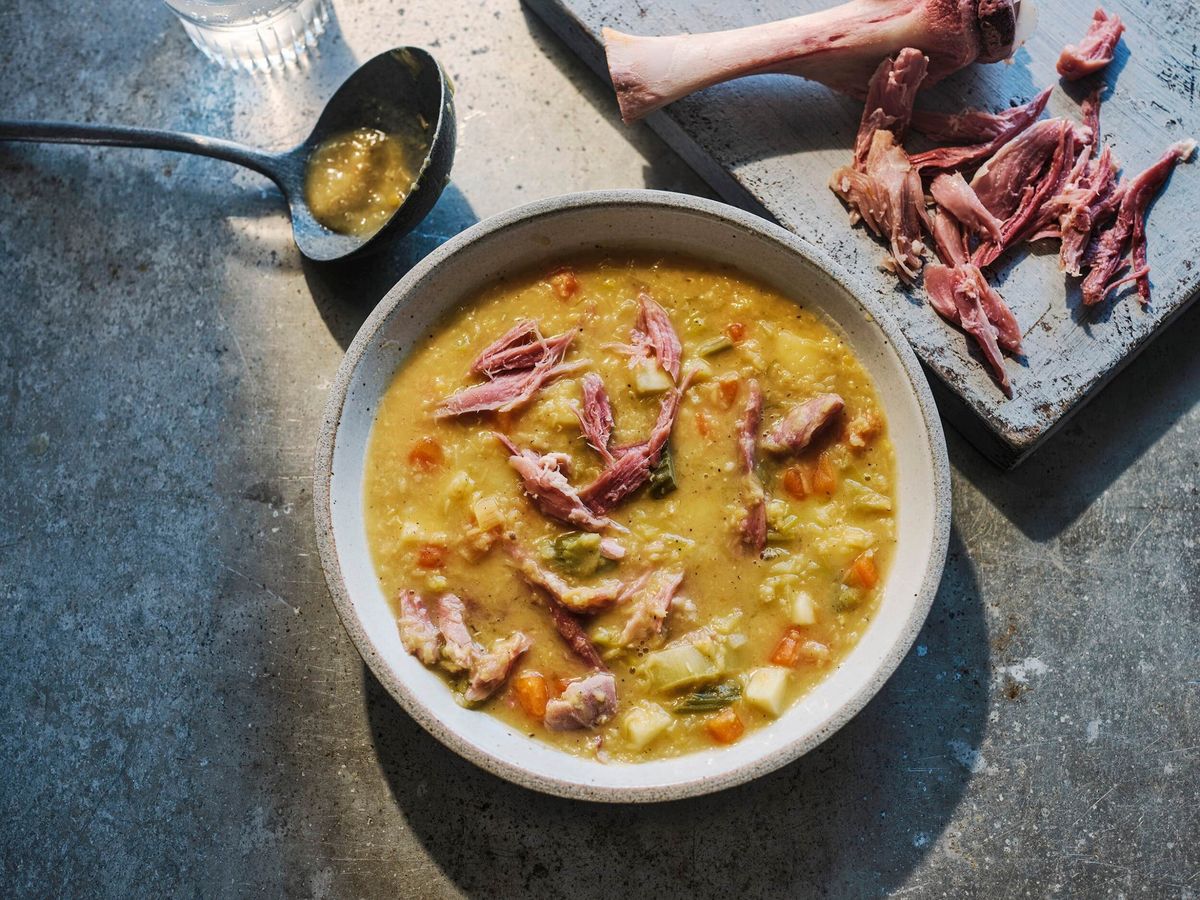
- Lentil Ham Soup Recipe1 Hours 15 Minutes
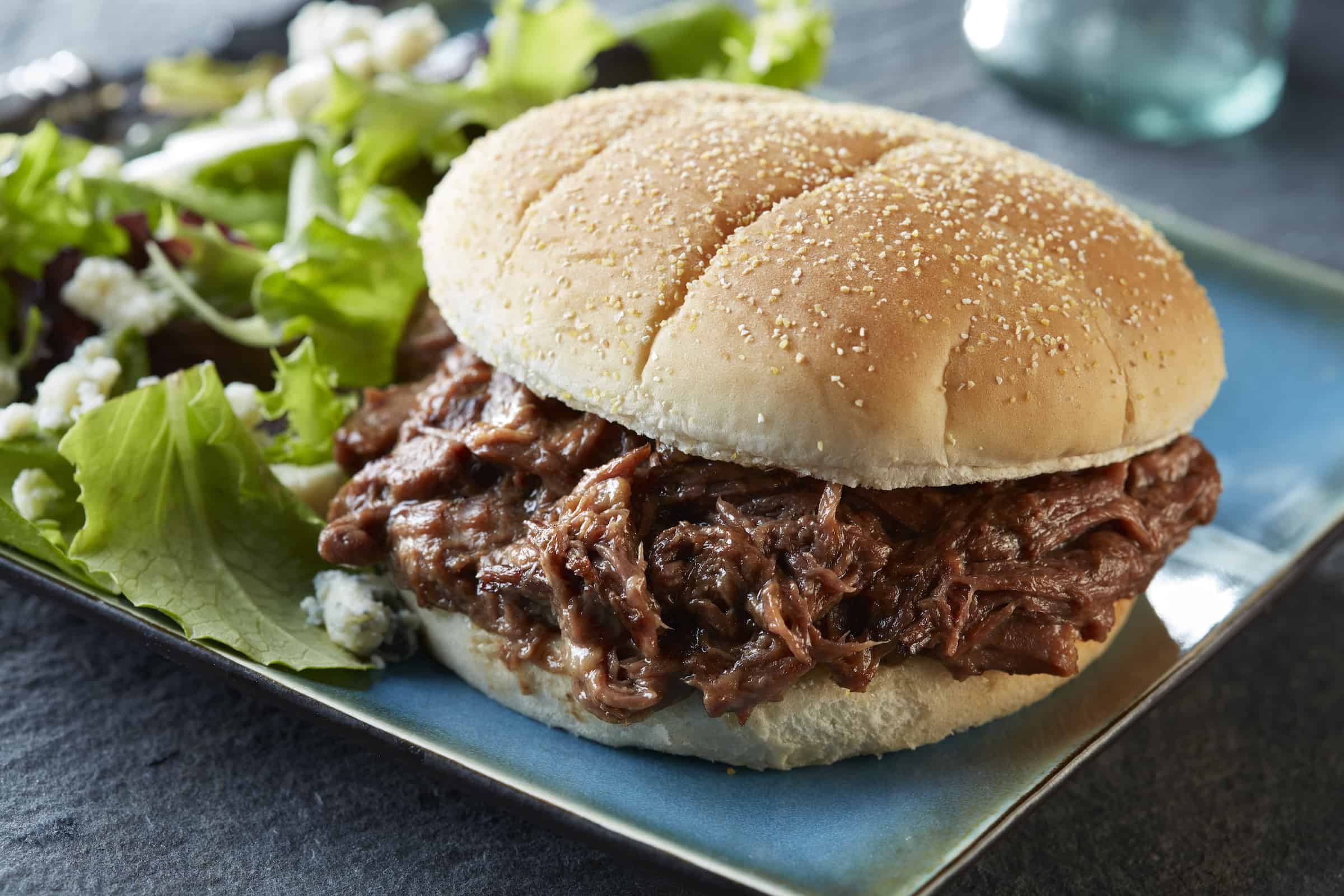
- Hot Beef Sandwiches Recipe30 Minutes
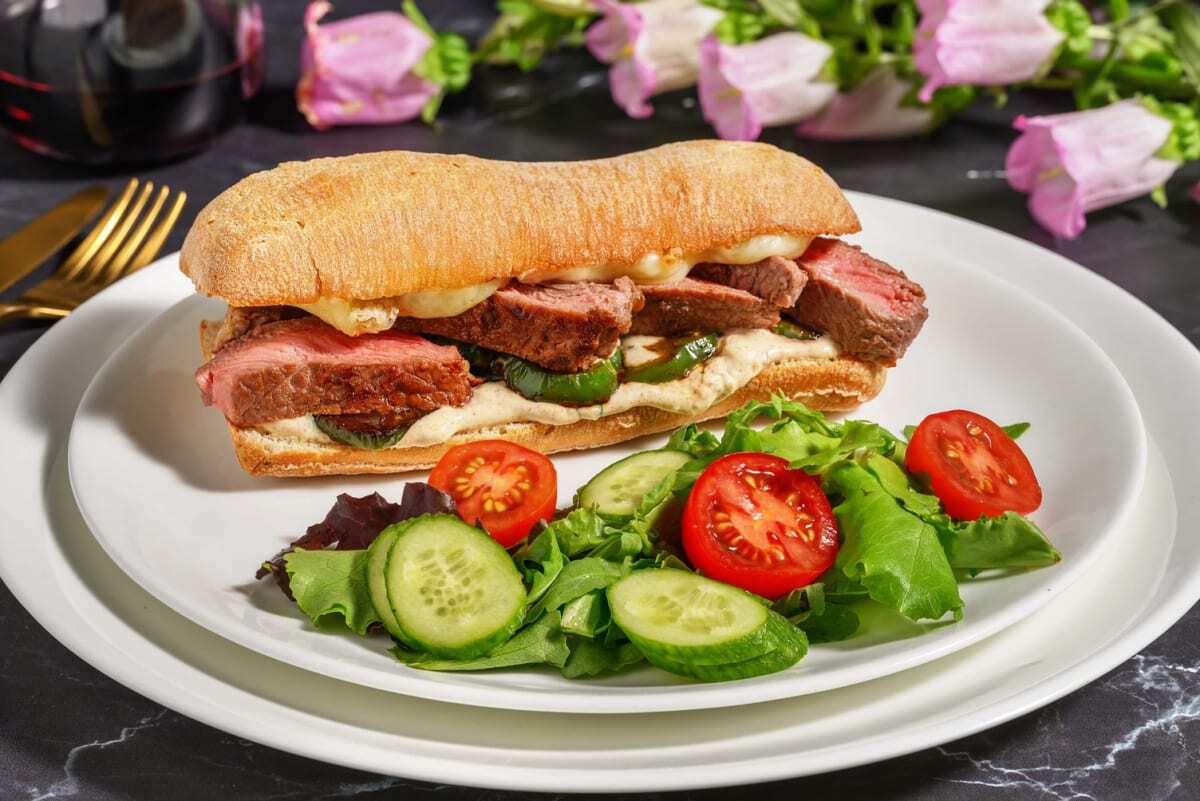
- Mexican Steak Torta Recipe30 Minutes
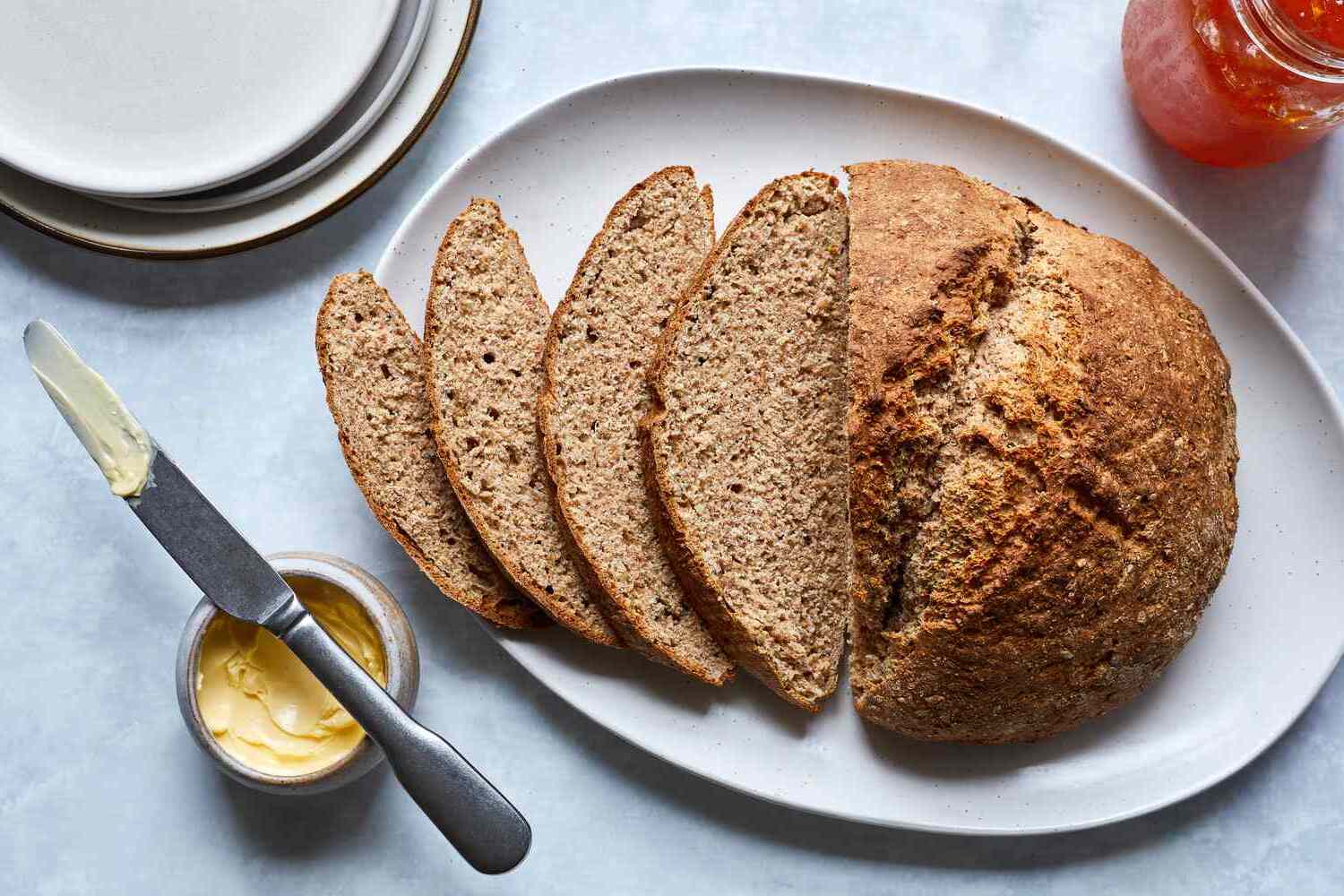
- Irish Wheaten Bread Recipe55 Minutes
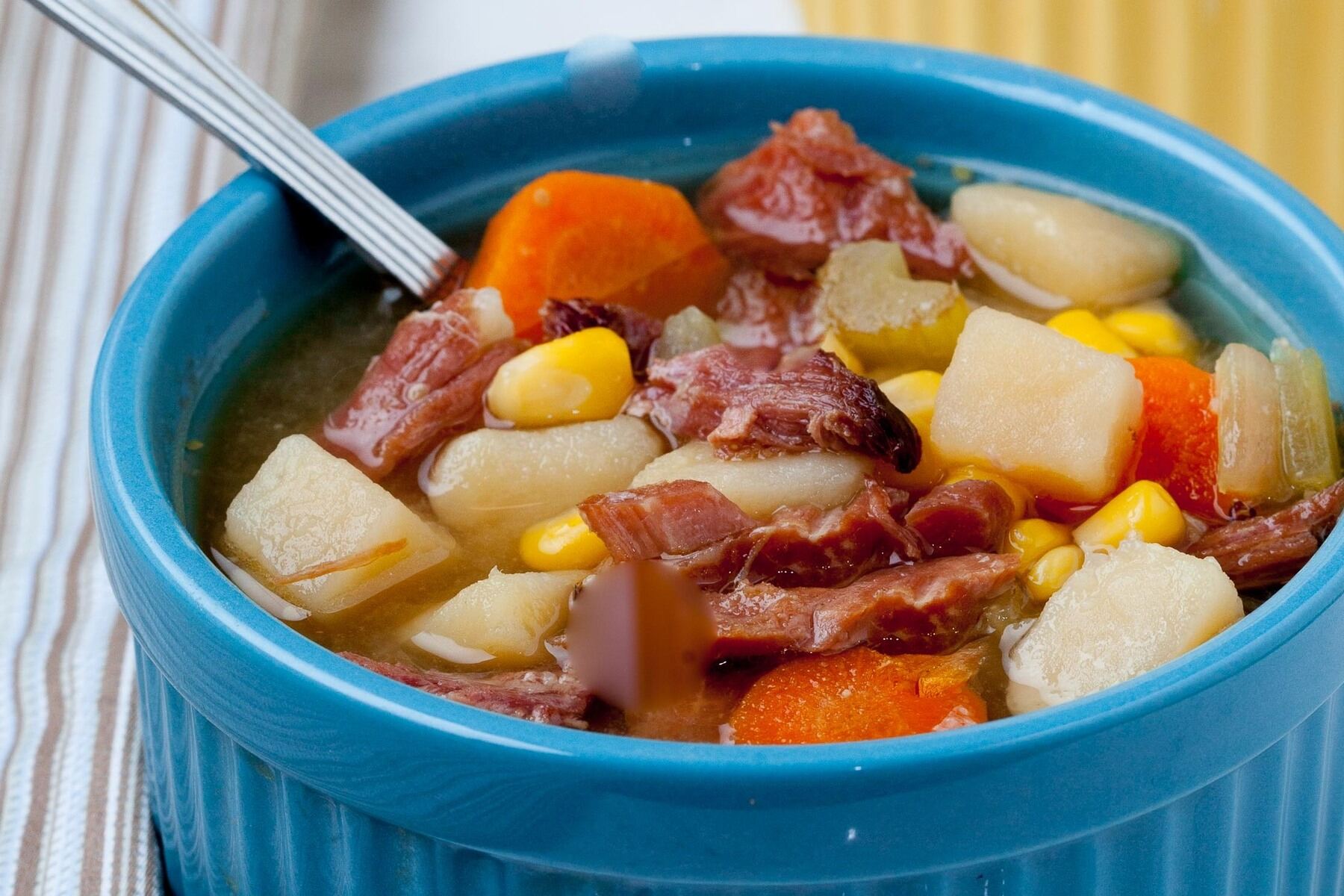
- Ham Bone and Vegetable Soup Recipe2 Hours 15 Minutes
- Hot Cocoa Mix Recipe10 Minutes
- Simple Syrup Recipe10 Minutes

Leave a Reply