
I love making applesauce because it’s simple and reminds me of cozy afternoons at home. This recipe is perfect for when you want a sweet treat that feels fresh and homemade. I can’t wait for you to try it and enjoy the warm, comforting flavors.
Most of the ingredients in this applesauce recipe are easy to find in your kitchen or local store. If you don’t usually keep cinnamon or sugar at home, you might want to pick some up at the supermarket. The apples are the main star here, so choosing fresh, crisp apples will make your applesauce taste even better.
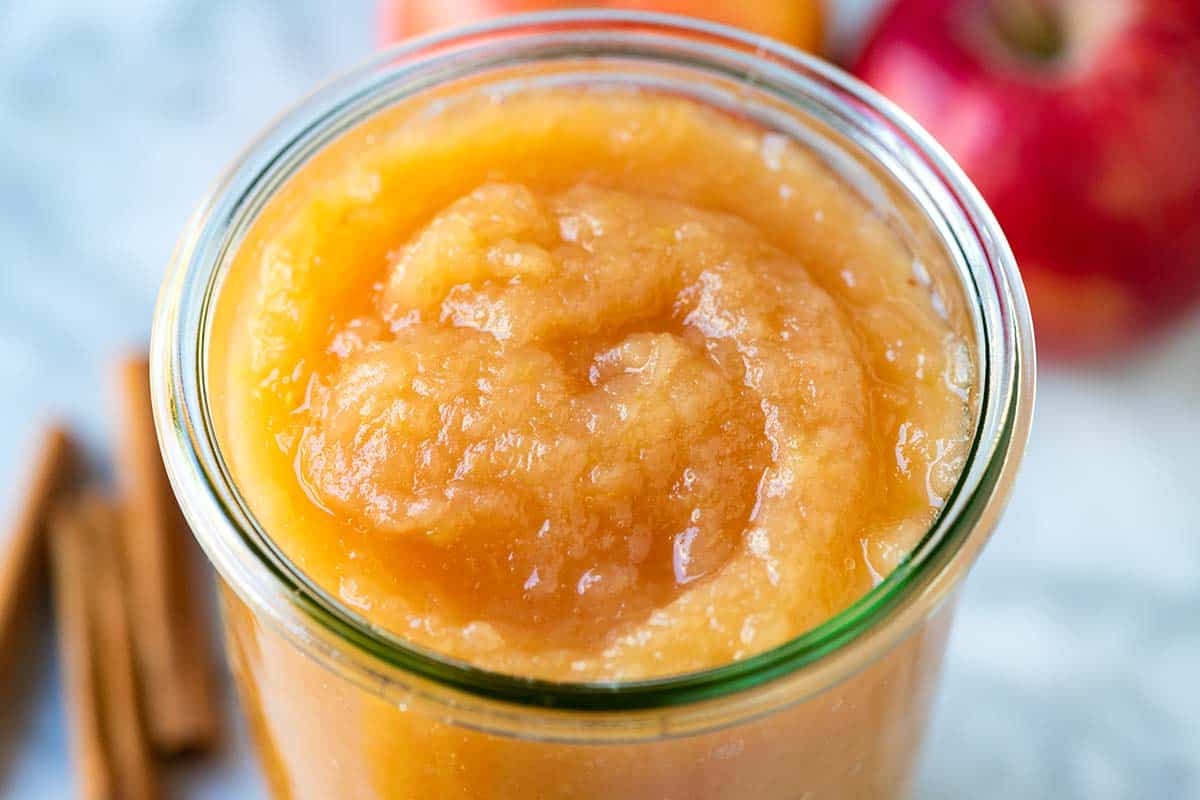
Ingredients For Applesauce Recipe
Apples: The main ingredient, peeled and chopped to cook down into a soft, sweet base.
Water: Helps the apples cook evenly and prevents sticking.
Sugar: Optional, adds extra sweetness if your apples aren’t very sweet.
Cinnamon: Optional, adds a warm, spicy flavor that pairs perfectly with apples.
Technique Tip for This Recipe
One of the most helpful steps in this applesauce recipe is cooking the apples until they’re soft. Here’s a simple way to make sure that happens just right:
- Put the chopped apples, water, sugar, and cinnamon in a pot.
- Cover the pot with a lid. This traps the steam inside and helps the apples cook evenly.
- Cook over medium heat for about 15 to 20 minutes. You want to check after 15 minutes by poking the apples with a fork or spoon. If they’re soft and break apart easily, they’re ready.
Cooking the apples this way makes the applesauce smooth and flavorful because the steam helps break down the fruit naturally. If you don’t cover the pot, the water might evaporate too fast, and the apples could burn or stick to the bottom. Plus, the steam keeps the apples moist, so your applesauce won’t be dry or lumpy.
When I first made applesauce, I didn’t cover the pot, and the water disappeared quickly. The apples started to stick and burn a little, which made the applesauce taste a bit bitter. After that, I always remember to put the lid on. It’s such an easy step that makes a big difference! Also, if you want to save time, you can stir the apples once or twice while cooking to help them soften faster and cook evenly.
So, covering the pot while cooking is a simple trick that helps you get soft, tasty apples ready for blending into delicious applesauce!
Suggested Side Dishes
Alternative Ingredients
apples - Substitute with pears: Pears have a similar texture and sweetness, making them a great alternative for apples in applesauce.
apples - Substitute with peaches: Peaches provide a slightly different flavor but maintain the sweetness and moisture needed for applesauce.
water - Substitute with apple juice: Apple juice enhances the apple flavor and adds a bit of natural sweetness to the applesauce.
water - Substitute with pear juice: Pear juice can add a subtle pear flavor and sweetness, complementing the apples or pears used.
sugar - Substitute with honey: Honey adds natural sweetness and a slight floral note, making it a healthier alternative to sugar.
sugar - Substitute with maple syrup: Maple syrup provides a rich, deep sweetness and a unique flavor profile to the applesauce.
cinnamon - Substitute with nutmeg: Nutmeg offers a warm, spicy flavor similar to cinnamon, adding depth to the applesauce.
cinnamon - Substitute with allspice: Allspice can provide a complex, aromatic flavor that enhances the taste of the applesauce.
Alternative Recipes to Try
How to Store or Freeze This Dish
Allow the freshly made applesauce to cool completely at room temperature. This ensures that no condensation forms inside the storage container, which could affect the texture and flavor.
Transfer the applesauce into an airtight container or a glass jar with a tight-fitting lid. Make sure to leave a little space at the top if you plan to freeze it, as applesauce expands when frozen.
For short-term storage, place the container in the refrigerator. The applesauce will stay fresh for up to a week, maintaining its delightful taste and texture.
If you wish to preserve the applesauce for a longer period, freezing is an excellent option. Divide the applesauce into smaller portions using freezer-safe bags or containers. This allows you to thaw only what you need, minimizing waste.
Label each container with the date of preparation. This helps you keep track of its freshness and ensures you enjoy the applesauce at its best.
When ready to use, thaw the applesauce in the refrigerator overnight. For a quicker option, you can also use the defrost setting on your microwave, stirring occasionally to ensure even thawing.
Once thawed, give the applesauce a good stir to restore its smooth consistency. If it seems a bit watery, a gentle simmer on the stove can help evaporate excess liquid, bringing it back to its luscious state.
Enjoy your applesauce as a delightful snack, a topping for pancakes, or even as a secret ingredient in your favorite desserts.
How to Reheat Leftovers
Gently warm the applesauce on the stovetop over low heat, stirring occasionally to ensure even heating and prevent sticking. Add a splash of water if it seems too thick.
Use a microwave-safe dish to reheat the applesauce in the microwave. Cover it with a microwave-safe lid or wrap to avoid splatters, and heat in 30-second intervals, stirring in between until it reaches your desired temperature.
For a unique twist, reheat the applesauce in a small saucepan and add a dash of cinnamon or a hint of nutmeg to refresh its flavor profile. Stir continuously for a smooth texture.
If you prefer a slightly caramelized flavor, spread the applesauce in a thin layer on a baking sheet and warm it in the oven at a low temperature, around 300°F (150°C), for about 10 minutes. Stir halfway through for even heating.
Essential Tools for This Recipe
Pot: A pot is essential for cooking the apples with water, sugar, and cinnamon. It allows even heat distribution and helps soften the apples.
Lid: A lid is used to cover the pot while cooking. It helps trap steam and heat, speeding up the cooking process and ensuring the apples become tender.
Peeler: A peeler is used to remove the skin from the apples efficiently, ensuring a smooth texture in the final applesauce.
Corer: A corer helps remove the core and seeds from the apples, making them easier to chop and cook.
Knife: A knife is used to chop the apples into smaller pieces, which helps them cook evenly and quickly.
Blender: A blender is used to puree the cooked apples into a smooth applesauce. It ensures a consistent texture throughout.
Measuring cup: A measuring cup is used to accurately measure the water and optional sugar, ensuring the right balance of ingredients.
Measuring spoon: A measuring spoon is used to measure the optional cinnamon, allowing for precise seasoning.
How to Save Time on This Recipe
Pre-chop apples: Prepare the apples in advance by peeling, coring, and chopping them the night before. Store them in the fridge to save time when you're ready to cook.
Use a slow cooker: Instead of cooking on the stove, use a slow cooker to let the applesauce simmer while you attend to other tasks. This method requires less monitoring.
Batch cooking: Double or triple the recipe to make a larger batch of applesauce. Freeze the extra portions for future use, saving you time on future cooking sessions.
Skip the sugar: If you prefer a natural sweetness, omit the sugar entirely, reducing preparation time.
Applesauce Recipe
Ingredients
Main Ingredients
- 4 apples, peeled, cored, and chopped
- ½ cup water
- ¼ cup sugar optional
- ½ teaspoon cinnamon optional
Instructions
- 1. In a pot, combine apples, water, sugar, and cinnamon.
- 2. Cover and cook over medium heat for 15-20 minutes, or until apples are soft.
- 3. Allow to cool, then blend until smooth.
Nutritional Value
Keywords
Appetizers and Mains to Pair
More Amazing Recipes to Try 🙂
- Cold Chicken Macaroni Salad Recipe25 Minutes
- Broccoli Rice Cheese and Chicken Casserole Recipe45 Minutes
- Sweet Sticky and Spicy Chicken Recipe45 Minutes
- Lentil Ham Soup Recipe1 Hours 15 Minutes
- Hot Beef Sandwiches Recipe30 Minutes
- Mexican Steak Torta Recipe30 Minutes
- Irish Wheaten Bread Recipe55 Minutes
- Ham Bone and Vegetable Soup Recipe2 Hours 15 Minutes









Leave a Reply