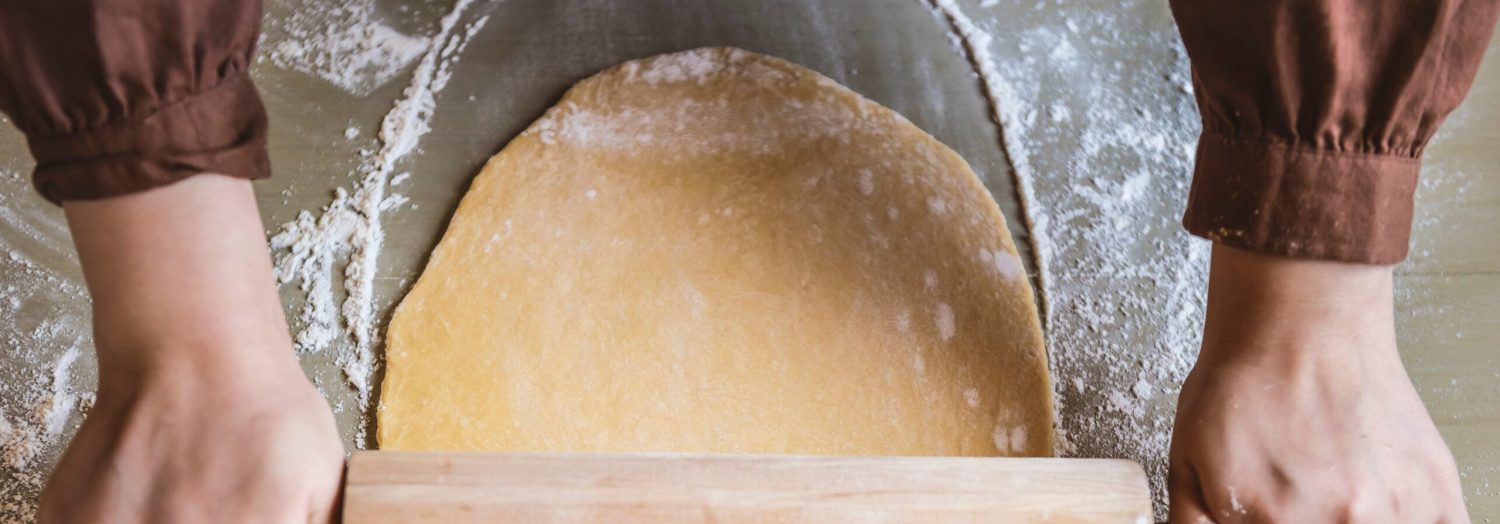

I love this garlic pasta recipe because it’s simple but full of flavor, perfect for any night when you want something comforting without a lot of fuss. It’s one of those dishes that feels like a warm hug on a plate. I hope you enjoy making it as much as I do!
Most of the ingredients in this recipe are easy to find in your kitchen or local store. If you don’t usually keep fresh parsley or parmesan cheese at home, you might want to pick those up at the supermarket. Fresh parsley adds a nice pop of color and flavor, while parmesan cheese gives the pasta a delicious, cheesy finish. Red pepper flakes are optional but add a little kick if you like some heat.
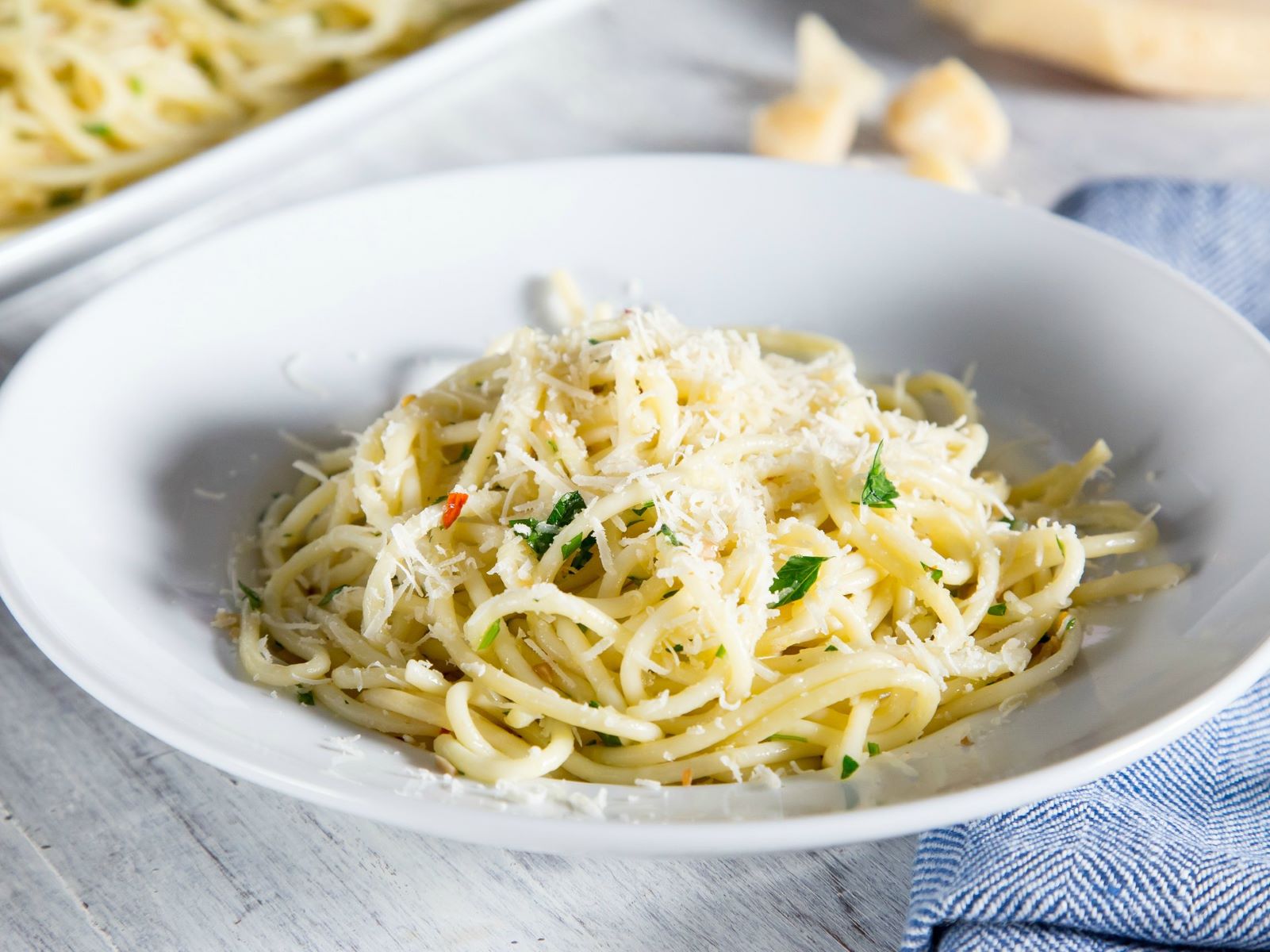
Ingredients For Garlic Pasta Recipe
Spaghetti: The main pasta used here, spaghetti is a long, thin noodle that cooks quickly and holds the garlic oil well.
Minced garlic: Fresh garlic is key to this recipe, giving it that strong, tasty aroma and flavor.
Olive oil: This oil is used to cook the garlic and coat the pasta, adding richness and a smooth texture.
Red pepper flakes: Optional, these add a little spicy heat to the dish if you like it a bit fiery.
Salt: Used to season the pasta and bring out all the flavors.
Freshly ground black pepper: Adds a mild heat and depth to the taste.
Grated parmesan cheese: A hard, salty cheese that melts slightly on the warm pasta, making it extra tasty.
Chopped fresh parsley: Adds a fresh, green flavor and brightens up the dish visually.
Technique Tip for This Recipe
One of the most important steps in this Garlic Pasta Recipe is cooking the spaghetti just right and then tossing it with the garlic oil. Here’s a simple way to make sure your pasta doesn’t stick together and gets coated perfectly with the olive oil and garlic flavor.
- When you cook the spaghetti, use a big pot with plenty of boiling water. This gives the pasta room to move around and keeps it from sticking.
- Add a good pinch of salt to the water before you put in the spaghetti. This helps season the pasta from the inside and makes it taste better.
- Cook the spaghetti just until it’s tender but still a little firm to bite—this is called al dente. Follow the time on the package, but start checking a minute or two early.
- When you drain the spaghetti, don’t rinse it with water. Rinsing washes away the starch that helps the garlic and olive oil stick to the noodles.
- Right after draining, add the hot spaghetti to the pan with the warm olive oil and minced garlic. Toss everything together quickly so each strand gets coated with the flavorful oil.
Doing this makes the pasta taste richer and keeps it from clumping up on your plate. When I first tried this, I accidentally rinsed the spaghetti and the oil just slid right off, making the dish a bit dry. Now, I always skip rinsing and toss the pasta right away—it’s a small step that makes a big difference! Plus, tossing the spaghetti in the pan while it’s still hot helps the parmesan cheese melt just a little when you add it, making everything extra tasty.
Suggested Side Dishes
Alternative Ingredients
spaghetti - Substitute with fettuccine: Fettuccine has a similar texture and cooking time, making it a suitable alternative for pasta dishes.
minced garlic - Substitute with garlic powder: Use garlic powder for a milder flavor; ⅛ teaspoon of garlic powder equals one clove of fresh garlic.
olive oil - Substitute with canola oil: Canola oil has a neutral flavor and similar cooking properties, making it a good substitute for olive oil.
red pepper flakes - Substitute with cayenne pepper: Cayenne pepper provides a similar heat level; use sparingly to match the spice level of red pepper flakes.
salt - Substitute with soy sauce: Soy sauce adds a salty and umami flavor, which can enhance the taste of the pasta.
freshly ground black pepper - Substitute with white pepper: White pepper offers a slightly different but still peppery flavor, suitable for seasoning.
grated parmesan cheese - Substitute with pecorino romano: Pecorino romano is a hard cheese with a similar texture and a slightly stronger flavor than parmesan.
chopped fresh parsley - Substitute with chopped fresh basil: Fresh basil provides a different but complementary herbal note to the dish.
Alternative Recipes Similar to This Dish
How to Store or Freeze This Dish
Allow the garlic pasta to cool completely at room temperature before storing. This prevents condensation, which can make the pasta soggy.
Transfer the cooled garlic pasta into an airtight container. If you have a large batch, consider dividing it into smaller portions for easier reheating.
For short-term storage, place the container in the refrigerator. The garlic pasta will stay fresh for up to 3-4 days.
To freeze, ensure the garlic pasta is in a freezer-safe container or a heavy-duty freezer bag. Squeeze out as much air as possible to prevent freezer burn.
Label the container or bag with the date to keep track of its freshness. The garlic pasta can be frozen for up to 2 months.
When ready to enjoy, thaw the frozen garlic pasta in the refrigerator overnight. This gradual thawing helps maintain the texture.
Reheat the garlic pasta on the stovetop over medium heat. Add a splash of olive oil or a bit of water to help loosen the pasta and restore its original texture.
Stir occasionally to ensure even heating. If desired, refresh the flavors by adding a sprinkle of parmesan cheese and fresh parsley before serving.
Avoid reheating in the microwave if possible, as it can make the garlic pasta rubbery. If you must use a microwave, do so in short intervals, stirring in between.
How to Reheat Leftovers
Gently reheat the garlic pasta in a large skillet over medium-low heat. Add a splash of olive oil or a knob of butter to revitalize the flavors and prevent sticking. Stir occasionally until warmed through, ensuring the parmesan cheese melts beautifully into the pasta.
For a quick fix, place the garlic pasta in a microwave-safe dish. Cover it with a damp paper towel to maintain moisture. Heat on medium power in 30-second intervals, stirring in between, until the pasta is heated evenly. Finish with a sprinkle of fresh parsley to refresh the dish.
If you prefer a slightly crispy texture, spread the garlic pasta on a baking sheet. Drizzle with a bit more olive oil and bake in a preheated oven at 350°F (175°C) for about 10 minutes. This method will give the pasta a delightful crunch while keeping the inside tender.
For a creamy twist, reheat the garlic pasta in a saucepan over low heat. Stir in a splash of cream or milk, allowing it to meld with the garlic and parmesan cheese. This will create a luscious, velvety sauce that clings to each strand of spaghetti.
Essential Tools for This Recipe
Large pot: Used for boiling the spaghetti according to the package instructions.
Colander: Essential for draining the cooked spaghetti after boiling.
Large frying pan: Used to heat the olive oil and cook the garlic, as well as to toss the spaghetti with the garlic oil.
Wooden spoon: Handy for stirring the garlic and red pepper flakes in the frying pan.
Tongs: Useful for tossing the spaghetti in the frying pan to ensure it's evenly coated with the garlic oil.
Measuring spoons: Used to measure the olive oil and red pepper flakes accurately.
Garlic press: Convenient for mincing the garlic cloves quickly and efficiently.
Grater: Needed for grating the parmesan cheese before sprinkling it over the pasta.
Chopping board: Provides a surface for chopping the fresh parsley.
Chef's knife: Used for chopping the parsley and mincing the garlic if not using a garlic press.
How to Save Time on This Recipe
Prep ingredients in advance: Mince the garlic and chop the parsley ahead of time to streamline the cooking process.
Use pre-grated cheese: Save time by purchasing grated parmesan cheese instead of grating it yourself.
Boil water first: Start boiling water for the spaghetti while you prepare other ingredients to reduce waiting time.
Cook pasta efficiently: Use a large pot to ensure even cooking and prevent the spaghetti from sticking together.
Multitask: While the pasta cooks, heat the olive oil and prepare the garlic to maximize efficiency.
Garlic Pasta Recipe
Ingredients
Main Ingredients
- 400 g Spaghetti
- 4 cloves Garlic minced
- 60 ml Olive Oil
- 1 teaspoon Red Pepper Flakes optional
- to taste Salt
- to taste Black Pepper freshly ground
- 30 g Parmesan Cheese grated
- 2 tablespoon Fresh Parsley chopped
Instructions
- 1. Cook the spaghetti according to the package instructions. Drain and set aside.
- 2. In a large frying pan, heat the olive oil over medium heat. Add the minced garlic and cook until fragrant, about 1-2 minutes.
- 3. Add the red pepper flakes (if using) and cook for another 30 seconds.
- 4. Add the cooked spaghetti to the pan and toss to coat in the garlic oil. Season with salt and black pepper to taste.
- 5. Remove from heat and sprinkle with grated Parmesan cheese and chopped parsley before serving.
Nutritional Value
Keywords
Suggested Appetizers and Desserts
More Amazing Recipes to Try 🙂
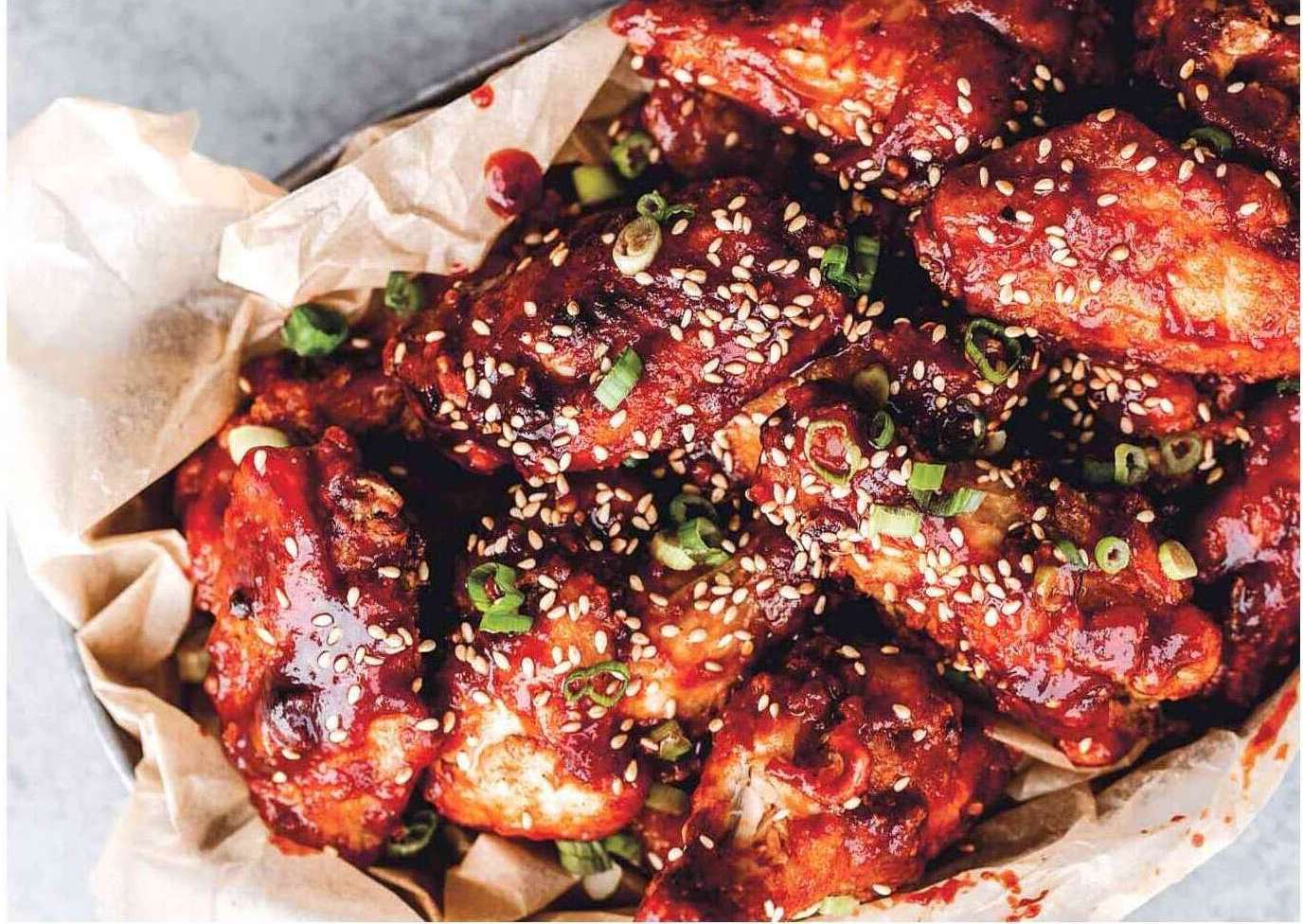
- Sweet Sticky and Spicy Chicken Recipe45 Minutes
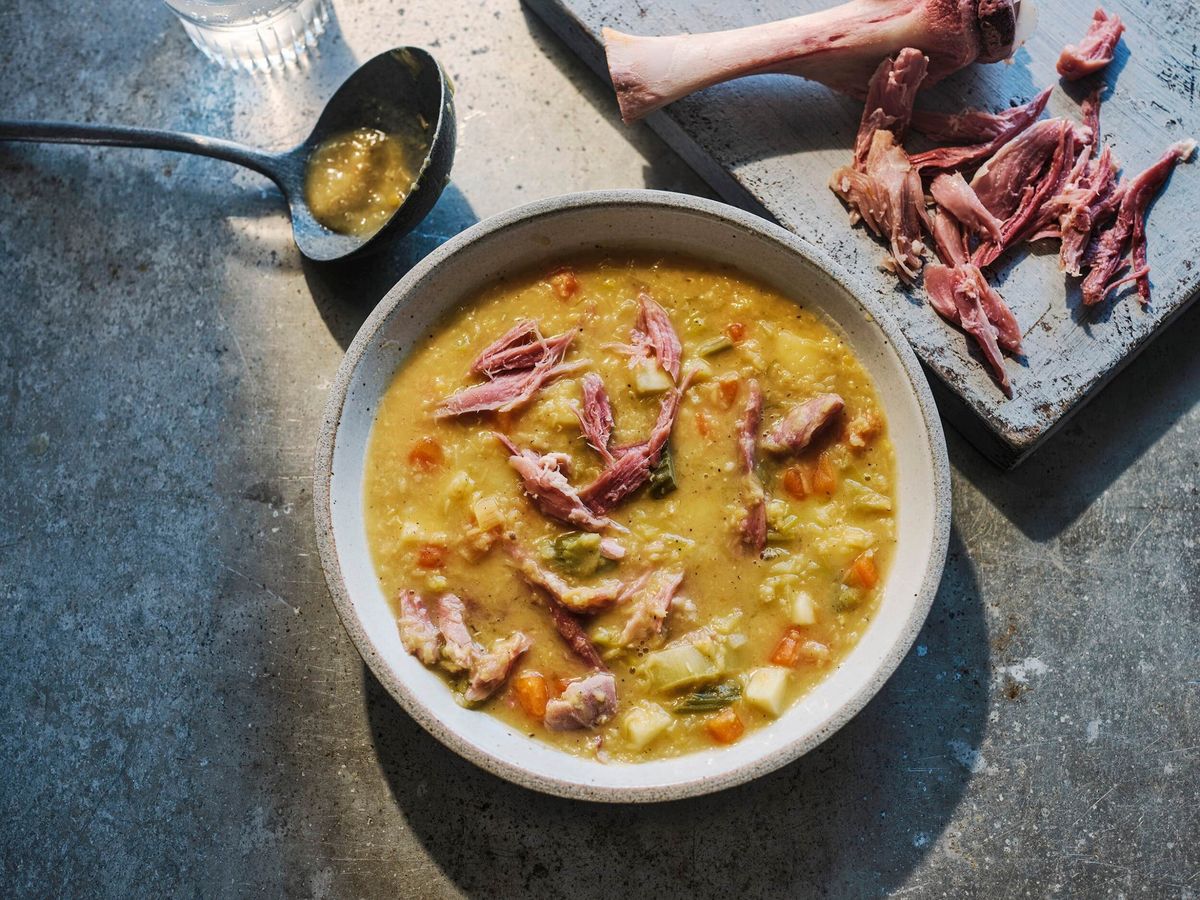
- Lentil Ham Soup Recipe1 Hours 15 Minutes
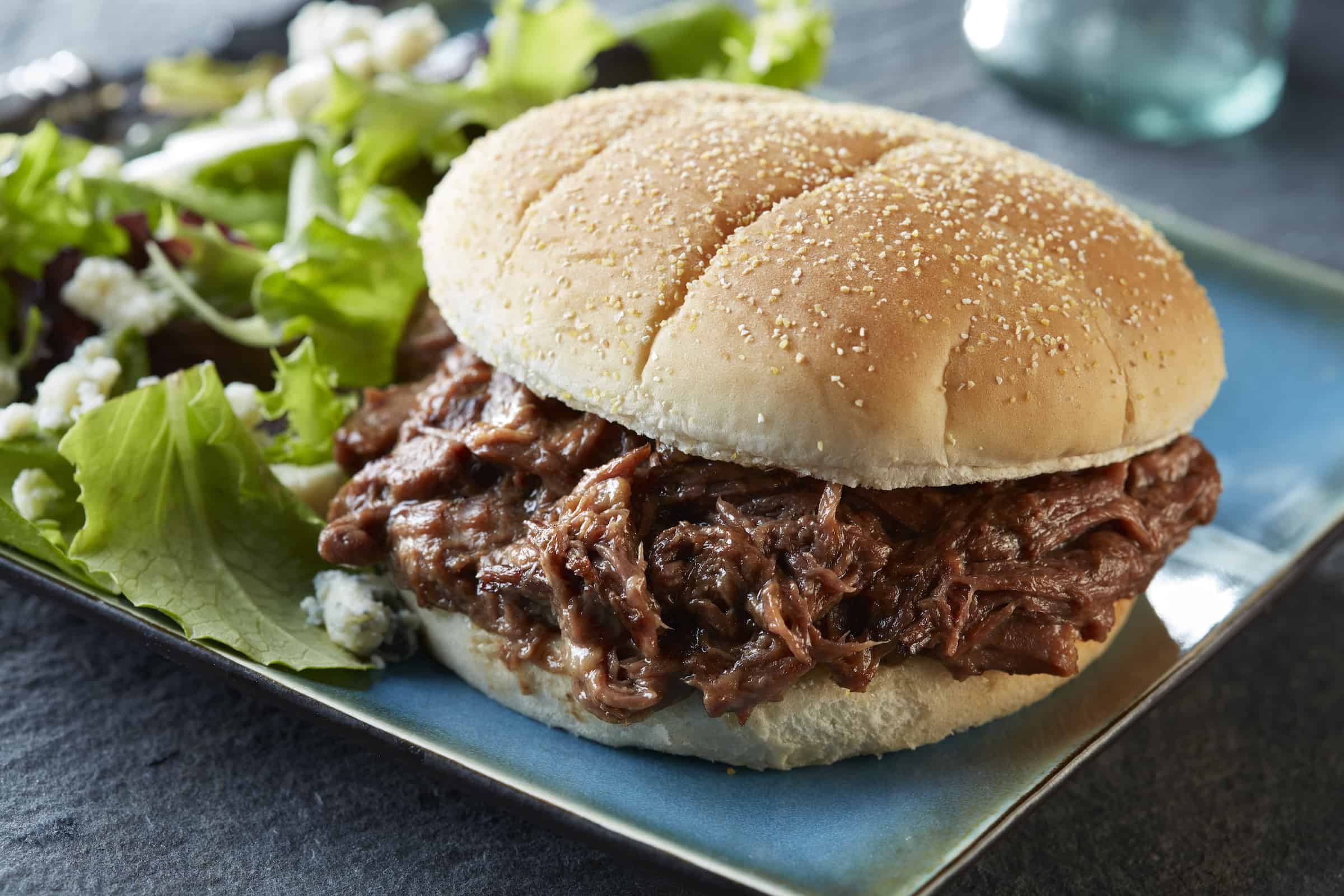
- Hot Beef Sandwiches Recipe30 Minutes
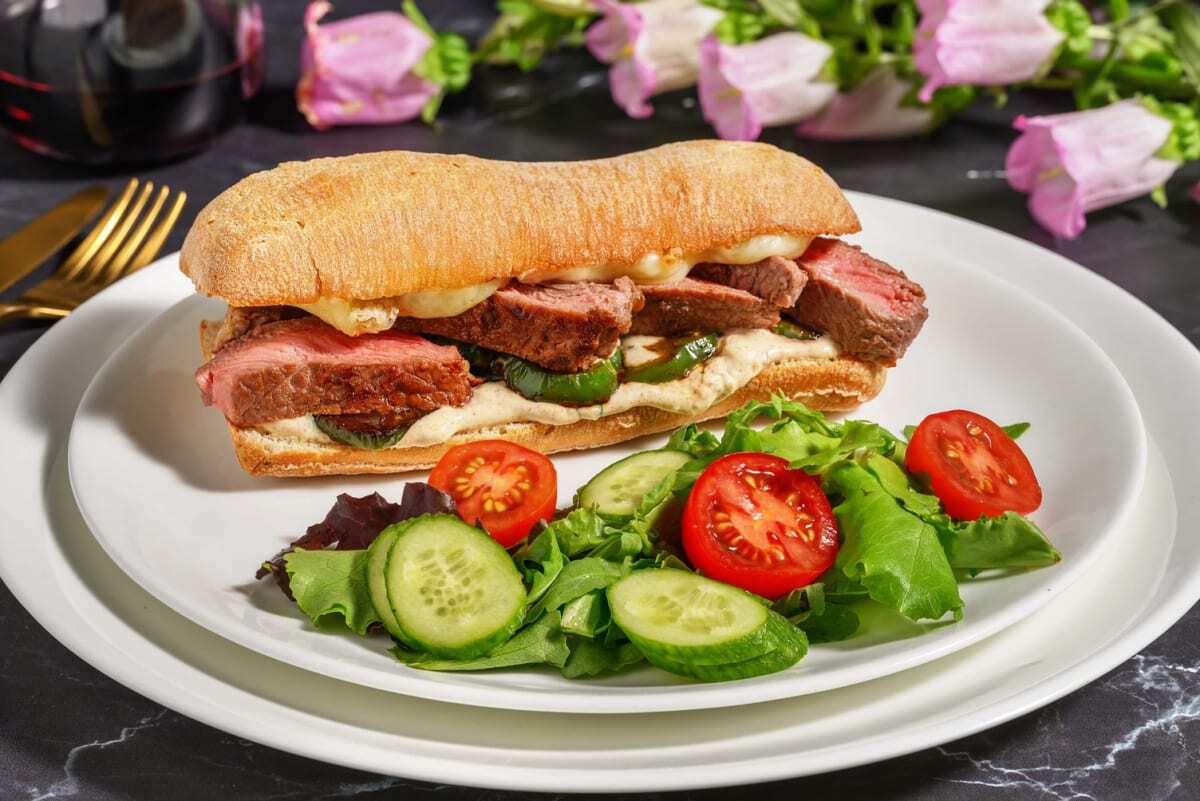
- Mexican Steak Torta Recipe30 Minutes
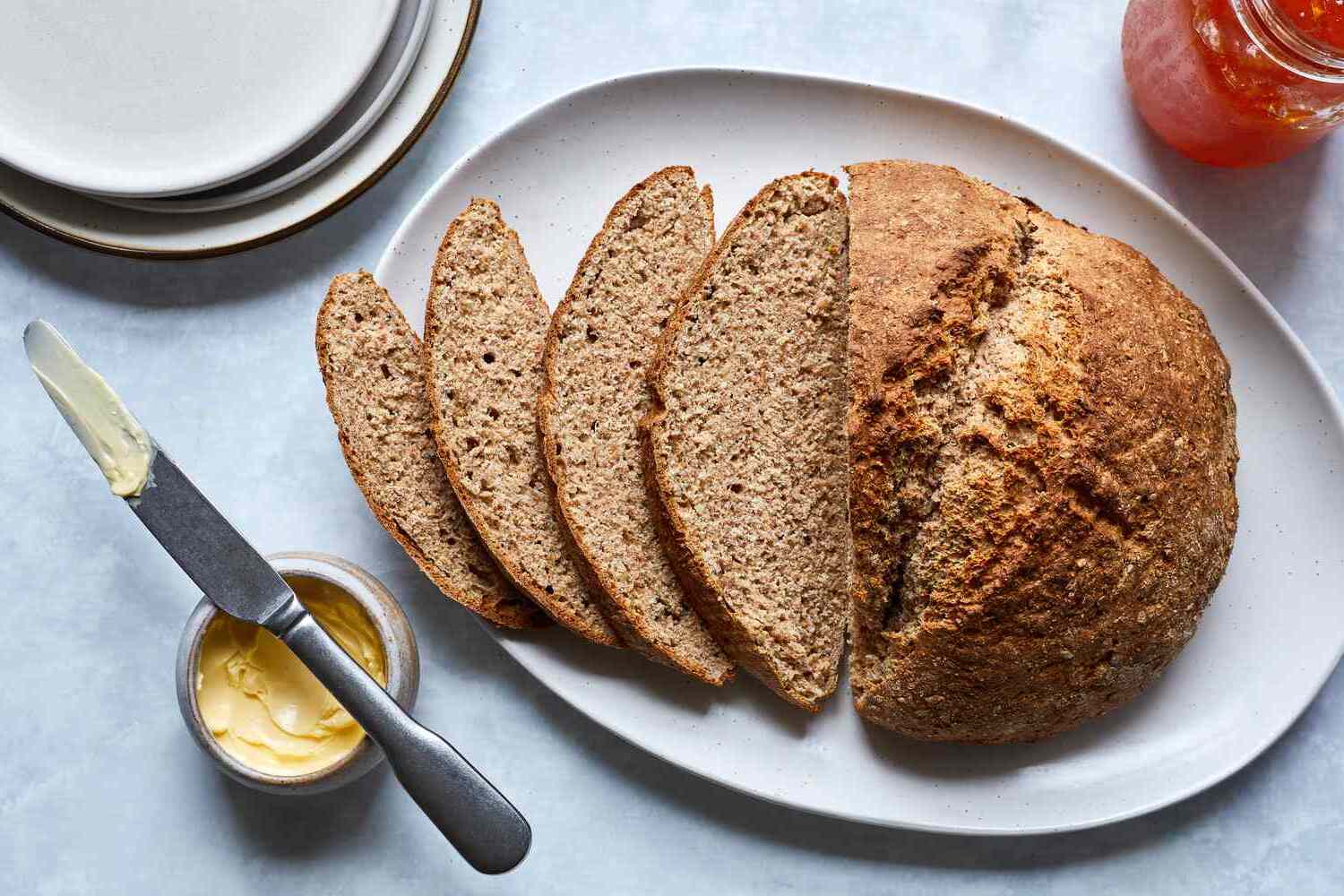
- Irish Wheaten Bread Recipe55 Minutes
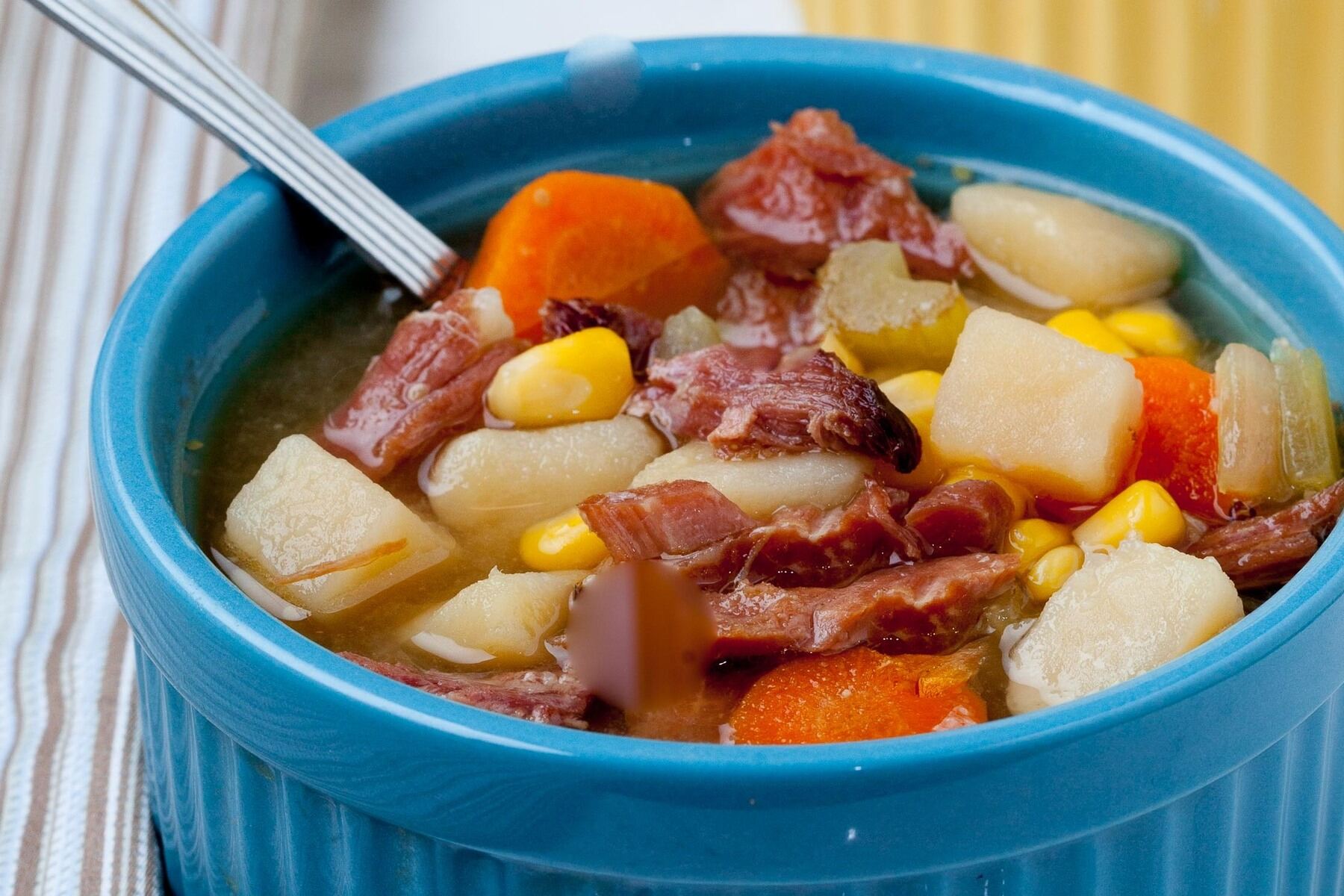
- Ham Bone and Vegetable Soup Recipe2 Hours 15 Minutes
- Hot Cocoa Mix Recipe10 Minutes
- Simple Syrup Recipe10 Minutes
Leave a Reply