
I love making this mango chutney because it adds a sweet and spicy kick to so many meals. It’s a simple recipe that feels special, and I enjoy how the flavors come together while it simmers. I hope you’ll have fun making it and tasting something a little different today.
Some ingredients like mustard seeds and red chili flakes might not be in every kitchen, but you can usually find them in the spice aisle at the supermarket. Grated ginger is fresh and adds a nice zing, but if you can’t find fresh ginger, powdered ginger can work too. The rest, like mangoes, sugar, vinegar, and salt, are pretty common and easy to grab.

Ingredients For Mango Chutney Recipe
Mangoes: Fresh mangoes give the chutney its sweet and fruity base.
Sugar: Adds sweetness to balance the tangy and spicy flavors.
White vinegar: Brings acidity that helps preserve the chutney and adds a sharp taste.
Grated ginger: Adds a warm, slightly spicy flavor that brightens the chutney.
Salt: Enhances all the flavors and balances the sweetness.
Mustard seeds: Adds a subtle nutty and spicy flavor with a bit of crunch.
Red chili flakes: Gives the chutney a gentle heat that wakes up the taste buds.
Technique Tip for This Recipe
When you’re making this Mango Chutney, one of the most important steps is to simmer the mixture gently after it comes to a boil. Here’s how to do that so your chutney turns out just right:
- Once your saucepan is boiling, turn the heat down to low. You want the mixture to bubble softly, not roar like a big pot of soup.
- Keep the lid off or slightly ajar so steam can escape. This helps the chutney thicken as it cooks.
- Stir the chutney every 10 to 15 minutes. This stops the sugar and fruit from sticking to the bottom and burning.
- Be patient and let it cook for the full 45 minutes. This slow simmer lets the flavors blend and the mangoes get soft and sweet.
Taking your time with this simmering step makes the chutney taste richer and gives it a nice, thick texture. If you rush or cook it too hot, the chutney might burn or stay too runny, which isn’t as tasty.
When I first made chutney, I didn’t lower the heat enough and stirred too little. The bottom of my saucepan got all sticky and burnt, which was a bummer. Now, I always keep an eye on the heat and stir regularly. It’s a small step that really makes a big difference.
Also, if you’re in a hurry, you might be tempted to crank up the heat to speed things up, but trust me, slow and steady wins here. Your patience will pay off with a chutney that’s full of flavor and just the right texture to enjoy with your favorite dishes.
Suggested Side Dishes
Alternative Ingredients
mangoes - Substitute with peaches: Peaches have a similar texture and sweetness, making them a good alternative.
sugar - Substitute with honey: Honey provides a natural sweetness and adds a unique flavor profile.
white vinegar - Substitute with apple cider vinegar: Apple cider vinegar has a similar acidity and a slightly fruity taste that complements the chutney.
grated ginger - Substitute with ground ginger: Ground ginger can be used in smaller quantities to provide a similar spicy and aromatic flavor.
salt - Substitute with soy sauce: Soy sauce adds saltiness along with a depth of umami flavor.
mustard seeds - Substitute with ground mustard: Ground mustard can provide a similar tangy and spicy flavor.
red chili flakes - Substitute with cayenne pepper: Cayenne pepper offers a similar level of heat and can be used in smaller amounts.
Alternative Recipes Similar to This
How To Store or Freeze Your Chutney
- Ensure your mango chutney has cooled completely before storing. This helps prevent condensation, which can affect the texture and flavor.
- Use sterilized glass jars with tight-fitting lids to store your chutney. Sterilizing jars can be done by boiling them in water for 10 minutes or running them through a hot dishwasher cycle.
- Fill the jars with the chutney, leaving about half an inch of headspace at the top. This allows for expansion if you decide to freeze the chutney.
- Seal the jars tightly and label them with the date. Proper labeling helps you keep track of freshness.
- Store the jars in the refrigerator. Your mango chutney will keep well for up to 3 months when refrigerated.
- For longer storage, consider freezing the chutney. Transfer the cooled chutney into freezer-safe containers or heavy-duty freezer bags, leaving some space for expansion.
- If using freezer bags, lay them flat in the freezer to save space and allow for quicker thawing.
- When ready to use, thaw the chutney in the refrigerator overnight. Avoid thawing at room temperature to maintain food safety.
- Once thawed, give the chutney a good stir to reincorporate any separated liquids and enjoy as usual.
How To Reheat Leftovers
Gently warm the mango chutney in a small saucepan over low heat, stirring occasionally to ensure it heats evenly. This method helps maintain the chutney's texture and flavor.
Place the mango chutney in a microwave-safe bowl, cover it with a microwave-safe lid or plastic wrap, and heat on medium power for 1-2 minutes. Stir halfway through to distribute the heat evenly.
For a more rustic approach, spoon the mango chutney into a heatproof dish and place it in a preheated oven at 300°F (150°C) for about 10-15 minutes. Stir occasionally to prevent it from drying out.
If you have a double boiler, use it to gently reheat the mango chutney. This method ensures that the chutney warms up slowly and evenly without the risk of burning.
For a quick and efficient method, use a steamer. Place the mango chutney in a heatproof bowl and steam it for about 5-7 minutes, stirring occasionally to ensure even heating.
Essential Tools for This Recipe
Saucepan: A medium-sized saucepan is essential for combining and cooking all the ingredients together.
Wooden spoon: Use a wooden spoon to stir the chutney occasionally while it simmers.
Measuring cups: Accurate measurements of the mangoes, sugar, and vinegar are crucial, so use measuring cups.
Measuring spoons: For precise amounts of ginger, salt, mustard seeds, and red chili flakes, measuring spoons are necessary.
Grater: A grater is needed to finely grate the ginger.
Cutting board: Use a cutting board to peel and chop the mangoes safely.
Knife: A sharp knife is essential for peeling and chopping the mangoes.
Jar: Once the chutney is cooled, transfer it to a jar for storage.
Refrigerator: Store the jar of chutney in the refrigerator to keep it fresh.
Time-Saving Tips for Making This Recipe
Prepare ingredients in advance: Peel and chop the mangoes ahead of time to streamline the cooking process.
Use a food processor: Grate the ginger quickly using a food processor instead of doing it by hand.
Measure spices beforehand: Have the mustard seeds, red chili flakes, and salt pre-measured and ready to go.
Simmer with a lid: Cover the saucepan while simmering to reduce cooking time and prevent splatters.
Sterilize jars in advance: Prepare and sterilize your storage jars before you start cooking to save time when transferring the chutney.
Mango Chutney Recipe
Ingredients
Main Ingredients
- 2 cups Mangoes, peeled and chopped
- 1 cup Sugar
- 1 cup White vinegar
- 1 tablespoon Grated ginger
- 1 teaspoon Salt
- 1 teaspoon Mustard seeds
- 1 teaspoon Red chili flakes
Instructions
- 1. Combine all ingredients in a saucepan.
- 2. Bring to a boil, then reduce heat to low and simmer for 45 minutes, stirring occasionally.
- 3. Let cool and transfer to a jar. Store in the refrigerator.
Nutritional Value
Keywords
More Amazing Recipes to Try 🙂
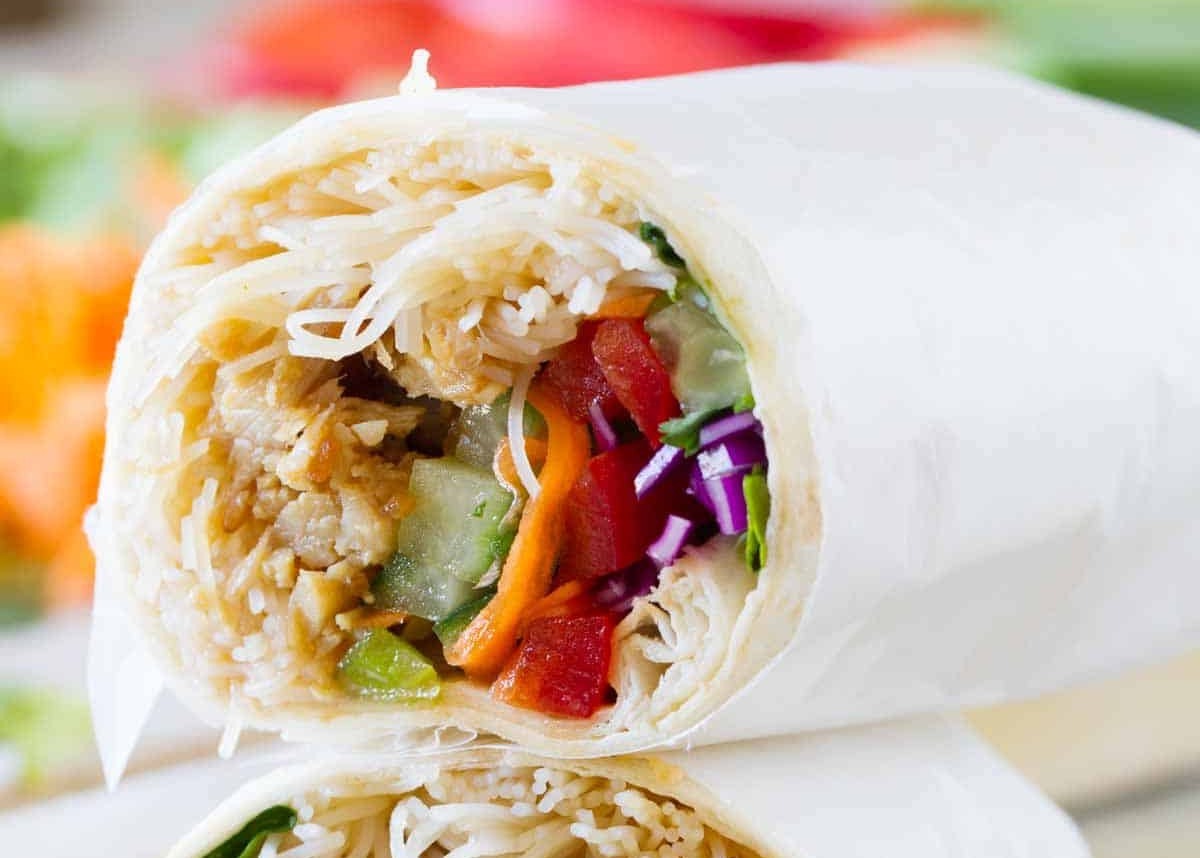
- Teriyaki Chicken Wraps Recipe30 Minutes
- Cold Chicken Macaroni Salad Recipe25 Minutes
- Broccoli Rice Cheese and Chicken Casserole Recipe45 Minutes
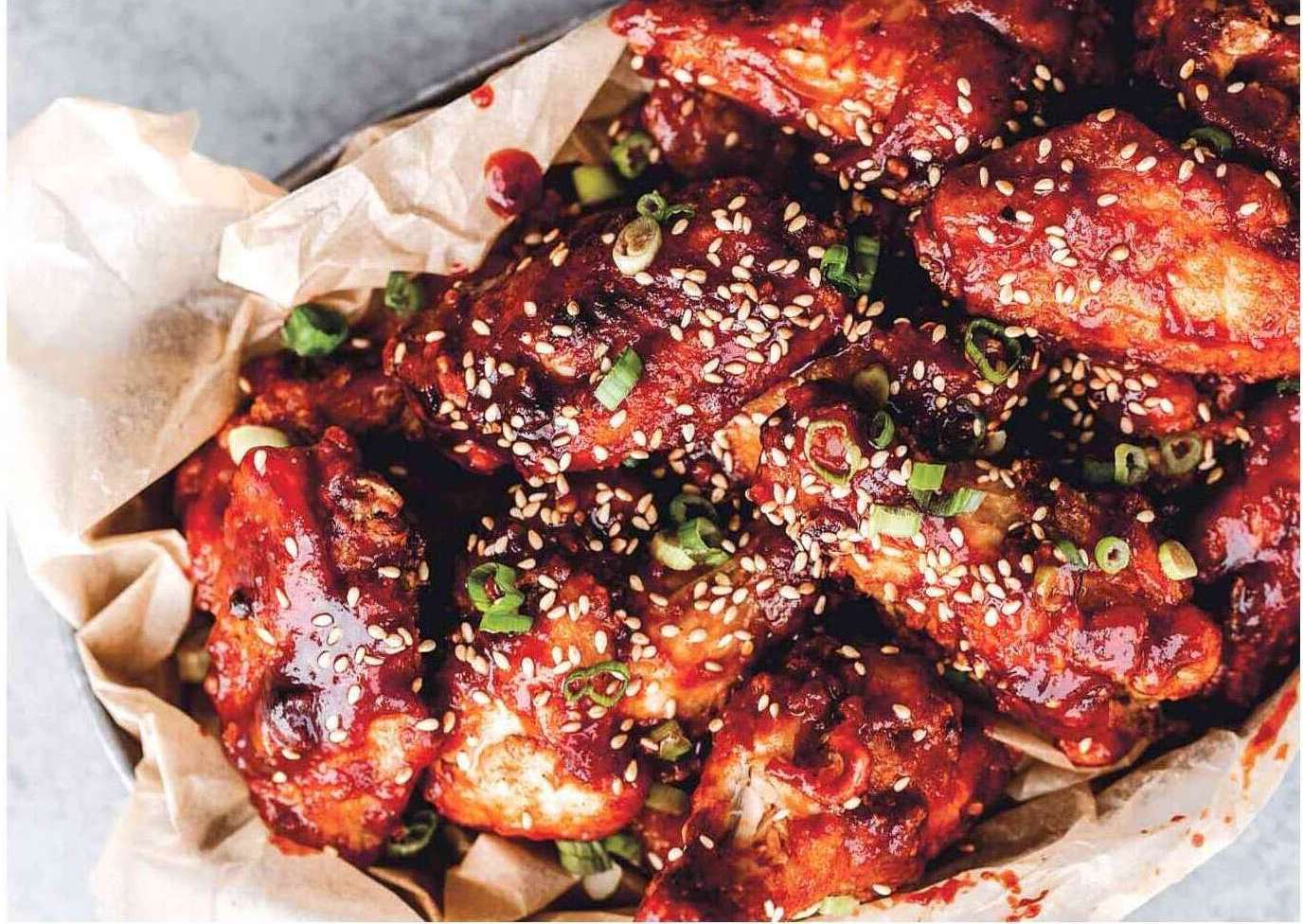
- Sweet Sticky and Spicy Chicken Recipe45 Minutes
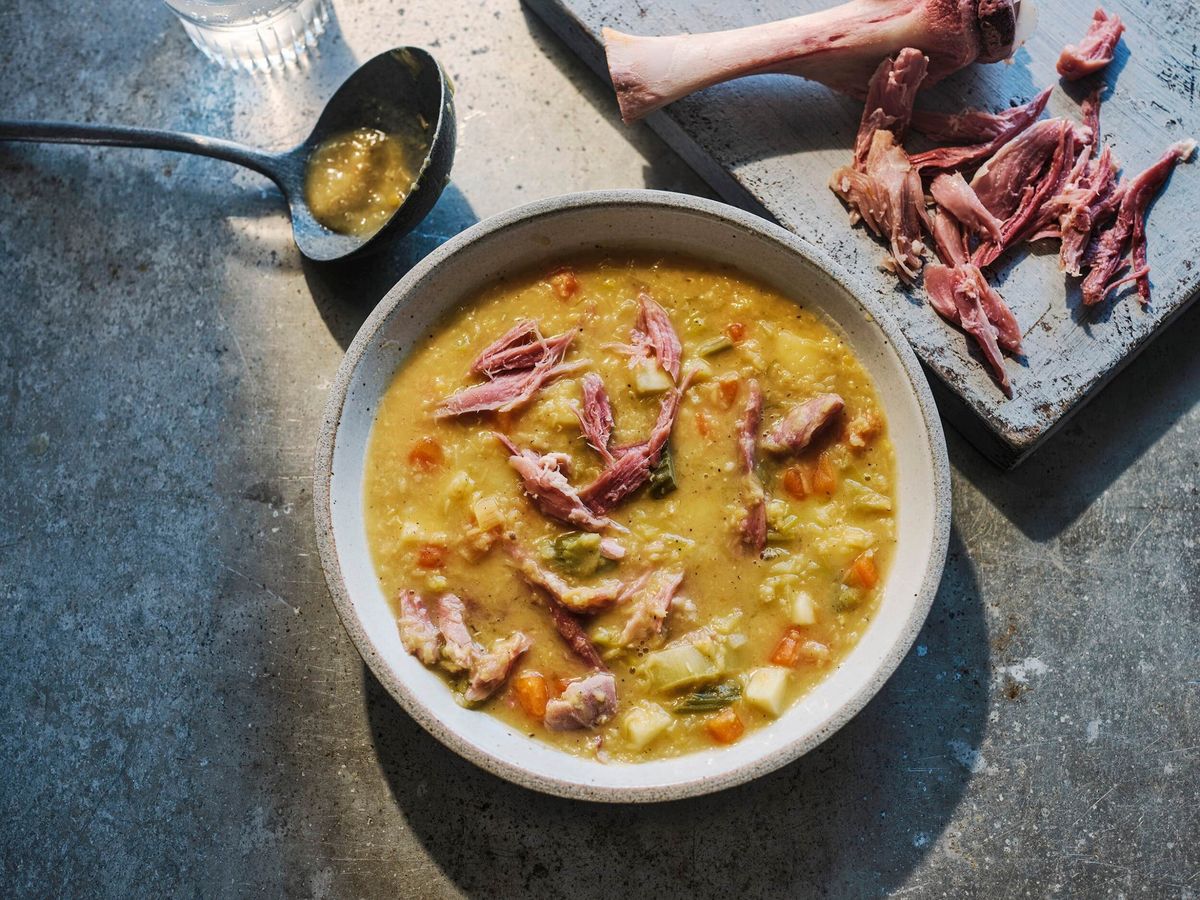
- Lentil Ham Soup Recipe1 Hours 15 Minutes
- Hot Beef Sandwiches Recipe30 Minutes
- Mexican Steak Torta Recipe30 Minutes
- Irish Wheaten Bread Recipe55 Minutes




Leave a Reply