

I’m really happy to share this pasta sauce recipe with you because it’s simple and tastes like a warm hug on a plate. Making your own sauce feels special, and it’s a great way to add fresh flavors to your meal. Scroll down to see how easy it is to bring this classic sauce to life in your kitchen.
Most of the ingredients in this recipe are common and easy to find, but if you don’t usually keep canned tomatoes or dried herbs like basil and oregano at home, you might want to pick those up at the supermarket. Canned tomatoes give the sauce its rich texture, and the dried herbs add a nice depth of flavor without needing fresh ones.
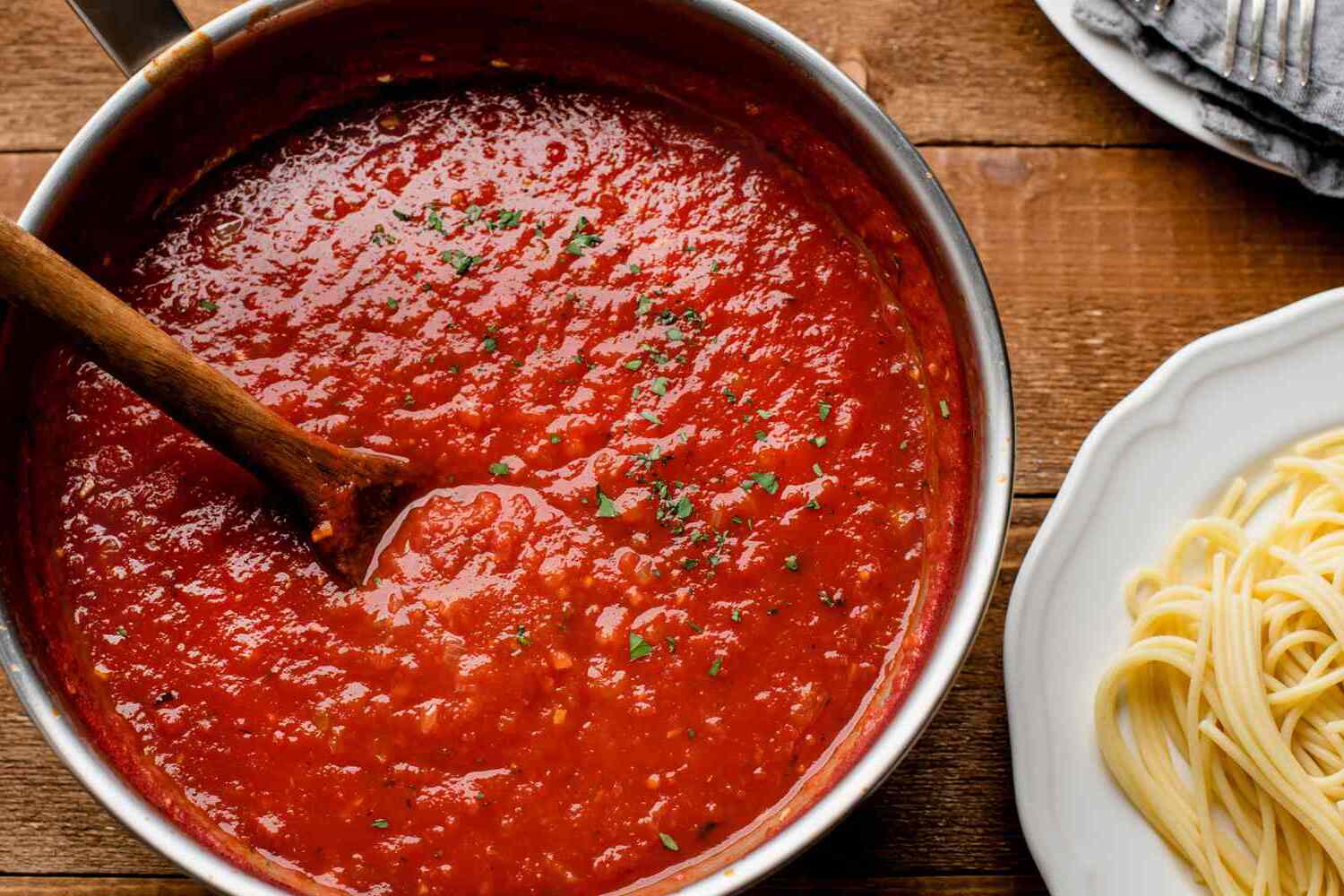
Ingredients For Pasta Sauce Recipe
Olive oil: This is used to cook the onions and garlic, adding a smooth, fruity flavor to the sauce.
Onion: Adds sweetness and a bit of crunch when cooked, forming the base of the sauce.
Garlic: Gives the sauce a warm, aromatic kick that makes it taste fresh and savory.
Canned tomatoes: The main ingredient that creates the sauce’s rich, tangy body.
Salt: Enhances all the flavors and balances the sweetness of the tomatoes.
Sugar: Helps reduce the acidity of the tomatoes and adds a subtle sweetness.
Dried basil: Brings a sweet, slightly peppery herb flavor that’s classic in Italian dishes.
Dried oregano: Adds a warm, earthy taste that complements the basil and tomatoes perfectly.
Technique Tip for This Recipe
One of the most important steps in this Pasta Sauce Recipe is cooking the onion until it’s translucent. This means the onion looks soft and a little see-through, not brown or crispy. Here’s how you can do it:
- Heat the olive oil in your pan over medium heat. Medium heat is just right—not too hot, so the onion doesn’t burn, and not too low, so it cooks in a reasonable time.
- Add the chopped onion to the pan and stir it around so it’s coated in the oil.
- Let the onion cook for about 5 minutes. You can stir it every minute or so to keep it from sticking or browning too fast.
- Watch for the onion to turn soft and a little see-through. That’s when it’s translucent and ready for the next step.
Cooking the onion this way makes your sauce taste sweeter and less sharp because the heat breaks down the strong flavors. It also helps the onion blend smoothly into the sauce, giving it a nice texture.
When I first tried this, I got impatient and turned the heat too high. The onion browned quickly and made the sauce taste a bit bitter. Now, I always keep the heat medium and stir often. It takes a little patience, but it’s worth it because the sauce tastes so much better. Plus, the smell of cooking onions filling the kitchen is pretty great!
Suggested Side Dishes
Alternative Ingredients
olive oil - Substitute with canola oil: Canola oil has a neutral flavor and a similar smoke point, making it a suitable alternative for sautéing.
olive oil - Substitute with butter: Butter can add a rich flavor to the sauce, though it will slightly alter the taste profile.
onion - Substitute with shallots: Shallots provide a milder and sweeter flavor, which can add a subtle complexity to the sauce.
onion - Substitute with leeks: Leeks offer a gentle onion flavor and can add a unique twist to the sauce.
garlic - Substitute with garlic powder: Garlic powder can be used in a pinch, though it lacks the fresh aroma of minced garlic.
garlic - Substitute with shallots: Shallots can provide a mild garlic-like flavor when minced, adding depth to the sauce.
canned tomatoes - Substitute with fresh tomatoes: Fresh tomatoes can be used if peeled and chopped, offering a fresher taste.
canned tomatoes - Substitute with tomato puree: Tomato puree can provide a smooth texture and concentrated flavor, though it may require additional seasoning.
salt - Substitute with soy sauce: Soy sauce can add a savory depth and umami flavor, though it will slightly change the sauce's taste.
salt - Substitute with sea salt: Sea salt can be used for a similar salty flavor with a slightly different mineral profile.
sugar - Substitute with honey: Honey can add sweetness with a hint of floral notes, though it will slightly alter the sauce's flavor.
sugar - Substitute with maple syrup: Maple syrup provides sweetness with a unique flavor, adding a different dimension to the sauce.
dried basil - Substitute with fresh basil: Fresh basil can offer a more vibrant and aromatic flavor, though it should be added towards the end of cooking.
dried basil - Substitute with dried thyme: Dried thyme can provide a different herbal note, adding complexity to the sauce.
dried oregano - Substitute with fresh oregano: Fresh oregano can offer a more intense and aromatic flavor, enhancing the sauce's freshness.
dried oregano - Substitute with dried marjoram: Dried marjoram has a similar flavor profile and can be used as a direct substitute.
Other Alternative Recipes to Try
How to Store or Freeze This Dish
Allow the freshly made pasta sauce to cool to room temperature. This prevents condensation from forming inside the storage container, which can dilute the sauce and affect its flavor.
Transfer the pasta sauce into airtight containers or heavy-duty freezer bags. If using containers, leave a small gap at the top to allow for expansion as the sauce freezes.
Label each container or bag with the date and contents. This helps you keep track of how long the sauce has been stored and ensures you use the oldest batch first.
For short-term storage, place the pasta sauce in the refrigerator. It will stay fresh for up to 5 days, making it perfect for quick weeknight dinners or last-minute pasta cravings.
For long-term storage, place the containers or bags in the freezer. The pasta sauce can be frozen for up to 3 months without losing its rich flavor and aroma.
When ready to use, thaw the pasta sauce in the refrigerator overnight. This slow thawing process helps maintain the sauce's texture and taste.
If you're in a hurry, you can also defrost the pasta sauce by placing the sealed container or bag in a bowl of cold water. Change the water every 30 minutes until the sauce is thawed.
Reheat the pasta sauce gently on the stovetop over low heat, stirring occasionally to ensure even heating. Add a splash of olive oil or a pinch of dried herbs to refresh the flavors if needed.
Serve the reheated pasta sauce over your favorite pasta, and enjoy a delicious meal that tastes just as good as the day it was made.
How to Reheat Leftovers
Gently warm the pasta sauce on the stovetop over low heat. Stir occasionally to ensure even heating and prevent sticking. This method preserves the sauce's rich flavors and aroma.
Use a microwave-safe dish to reheat the pasta sauce. Cover the dish with a microwave-safe lid or wrap to prevent splatters. Heat on medium power in one-minute intervals, stirring in between, until the sauce is heated through.
For a quick and even reheating, place the pasta sauce in a heatproof bowl and set it over a pot of simmering water, creating a makeshift double boiler. Stir occasionally until the sauce is warm.
If you have a slow cooker, transfer the pasta sauce to the cooker and set it on low. This method is perfect for keeping the sauce warm over a longer period, especially if you're serving a crowd.
Reheat the pasta sauce in an oven-safe dish covered with foil. Place it in a preheated oven at 350°F (175°C) for about 15-20 minutes, or until heated through. This method is ideal if you're already using the oven for other dishes.
Essential Tools for This Recipe
Saucepan: A medium-sized saucepan is essential for cooking the sauce ingredients evenly over medium heat.
Wooden spoon: A wooden spoon is ideal for stirring the sauce ingredients without scratching the surface of your cookware.
Knife: A sharp knife is necessary for chopping the onion and mincing the garlic efficiently.
Cutting board: A sturdy cutting board provides a safe surface for preparing the onion and garlic.
Immersion blender: An immersion blender is useful if you want to blend the sauce to a smooth consistency directly in the saucepan.
Measuring spoons: Measuring spoons are used to accurately measure the olive oil, salt, sugar, dried basil, and dried oregano.
Can opener: A can opener is needed to open the canned tomatoes easily.
Stove: A stove is necessary for providing the heat source to cook the sauce.
How to Save Time on This Recipe
Pre-chop ingredients: Save time by chopping the onion and mincing the garlic in advance. Store them in airtight containers in the fridge.
Use canned tomatoes: Opt for canned tomatoes with herbs already added to reduce the number of ingredients you need to measure and add.
Batch cook: Double the pasta sauce recipe and freeze half for a quick meal later.
Immersion blender shortcut: Skip the blending step if you prefer a chunky sauce, saving time on cleanup.
Simmer while multitasking: Let the sauce simmer while you prepare other meal components or set the table.
Pasta Sauce Recipe
Ingredients
Main Ingredients
- 2 tablespoon Olive Oil
- 1 medium Onion, chopped
- 2 cloves Garlic, minced
- 800 g Canned Tomatoes
- 1 teaspoon Salt
- 1 teaspoon Sugar
- 1 teaspoon Dried Basil
- 1 teaspoon Dried Oregano
Instructions
- Heat the olive oil in a saucepan over medium heat.
- Add the chopped onion and cook until translucent, about 5 minutes.
- Add the minced garlic and cook for another minute.
- Add the canned tomatoes, salt, sugar, dried basil, and dried oregano. Stir well.
- Bring to a simmer and cook for 20-25 minutes, stirring occasionally.
- Use an immersion blender to blend the sauce to your desired consistency, if desired.
- Serve hot over your favorite pasta.
Nutritional Value
Keywords
Suggested Appetizers and Desserts
More Amazing Recipes to Try 🙂
- Pig Pickin Cake Recipe40 Minutes
- Clotted Cream Recipe12 Hours 5 Minutes
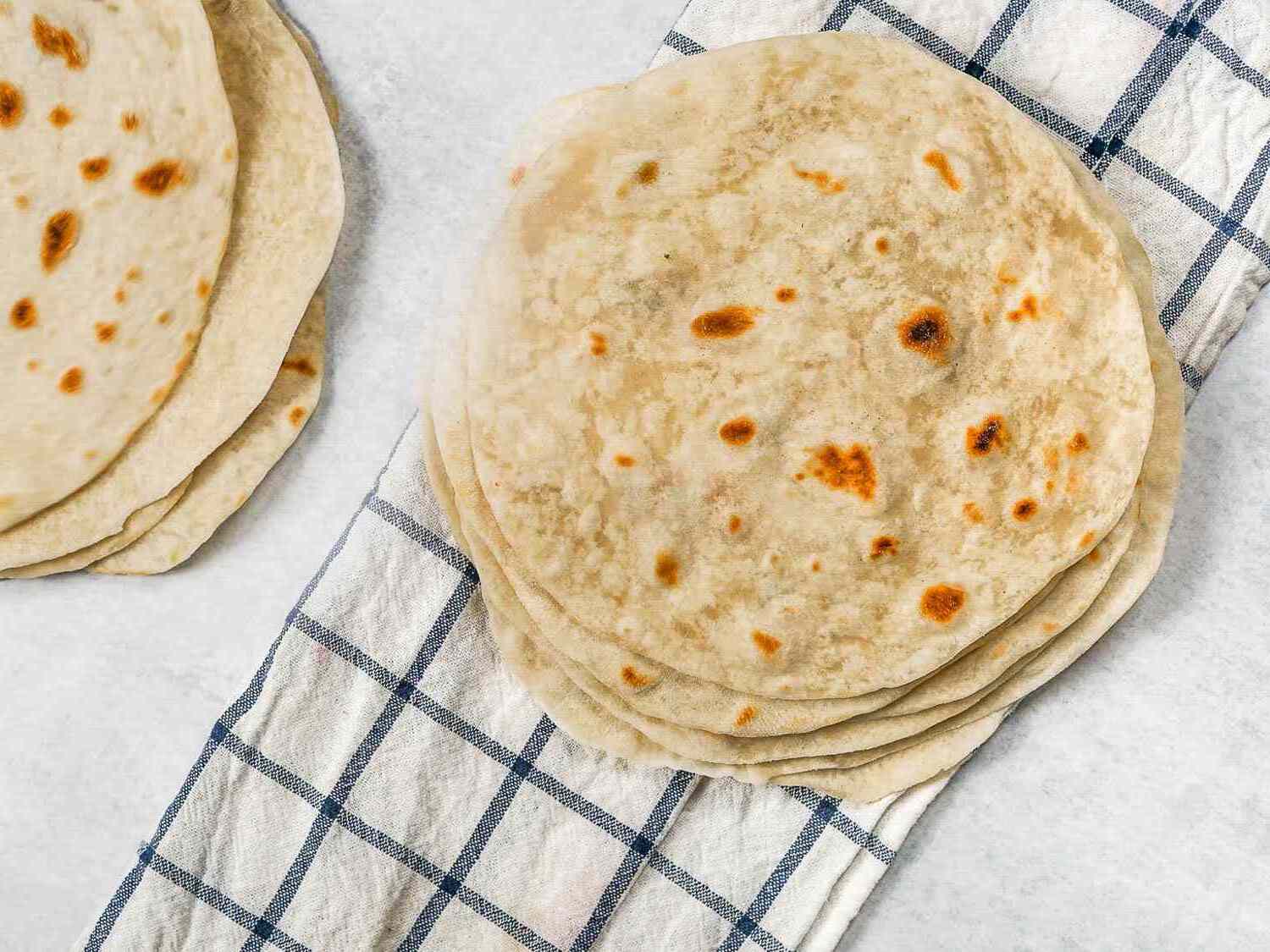
- Mexican Whole Wheat Flour Tortillas Recipe35 Minutes
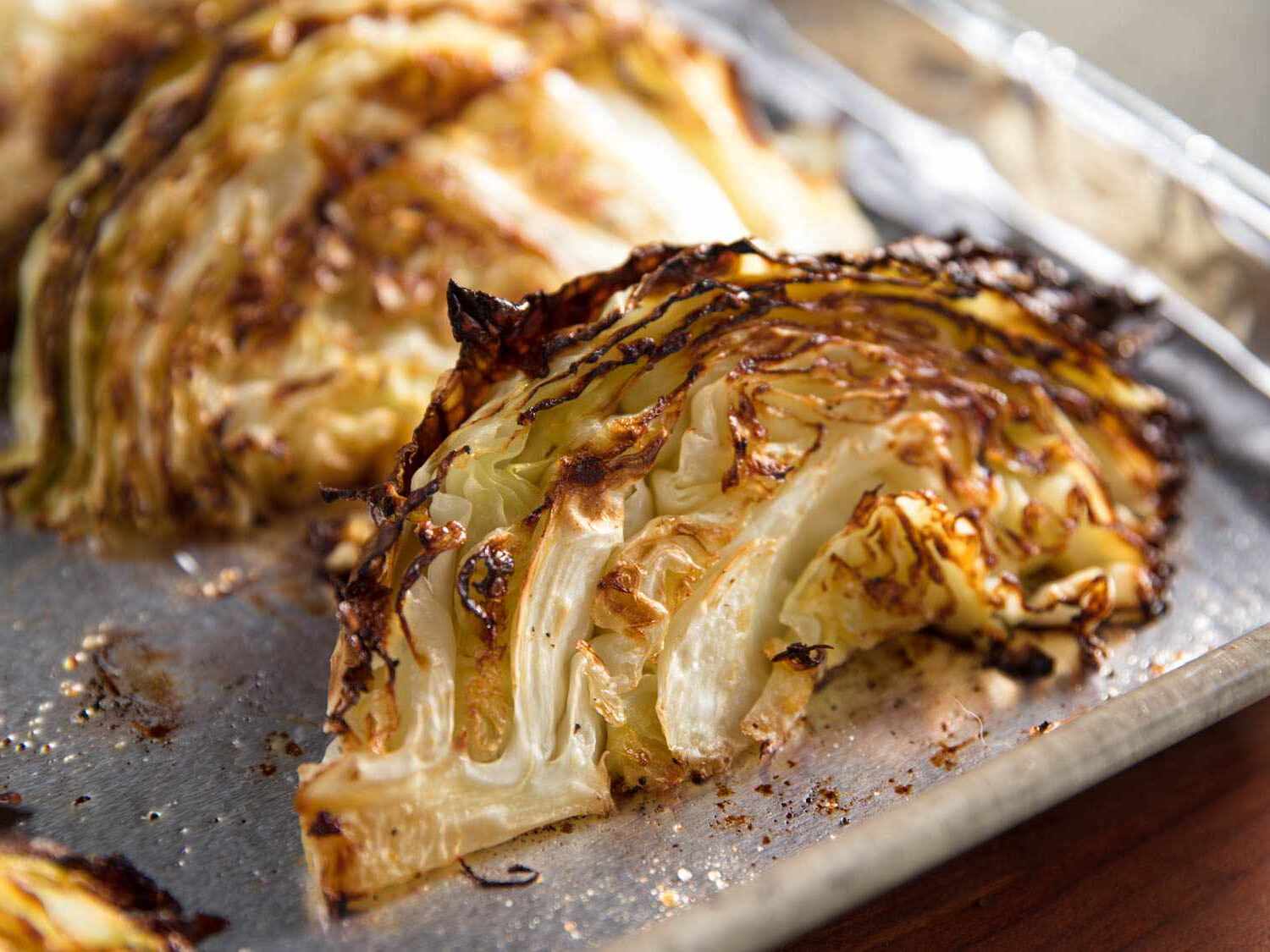
- Roasted Cabbage Recipe40 Minutes
- Scrambled Egg Muffins Recipe30 Minutes
- Ground Turkey Taco Meat Recipe30 Minutes
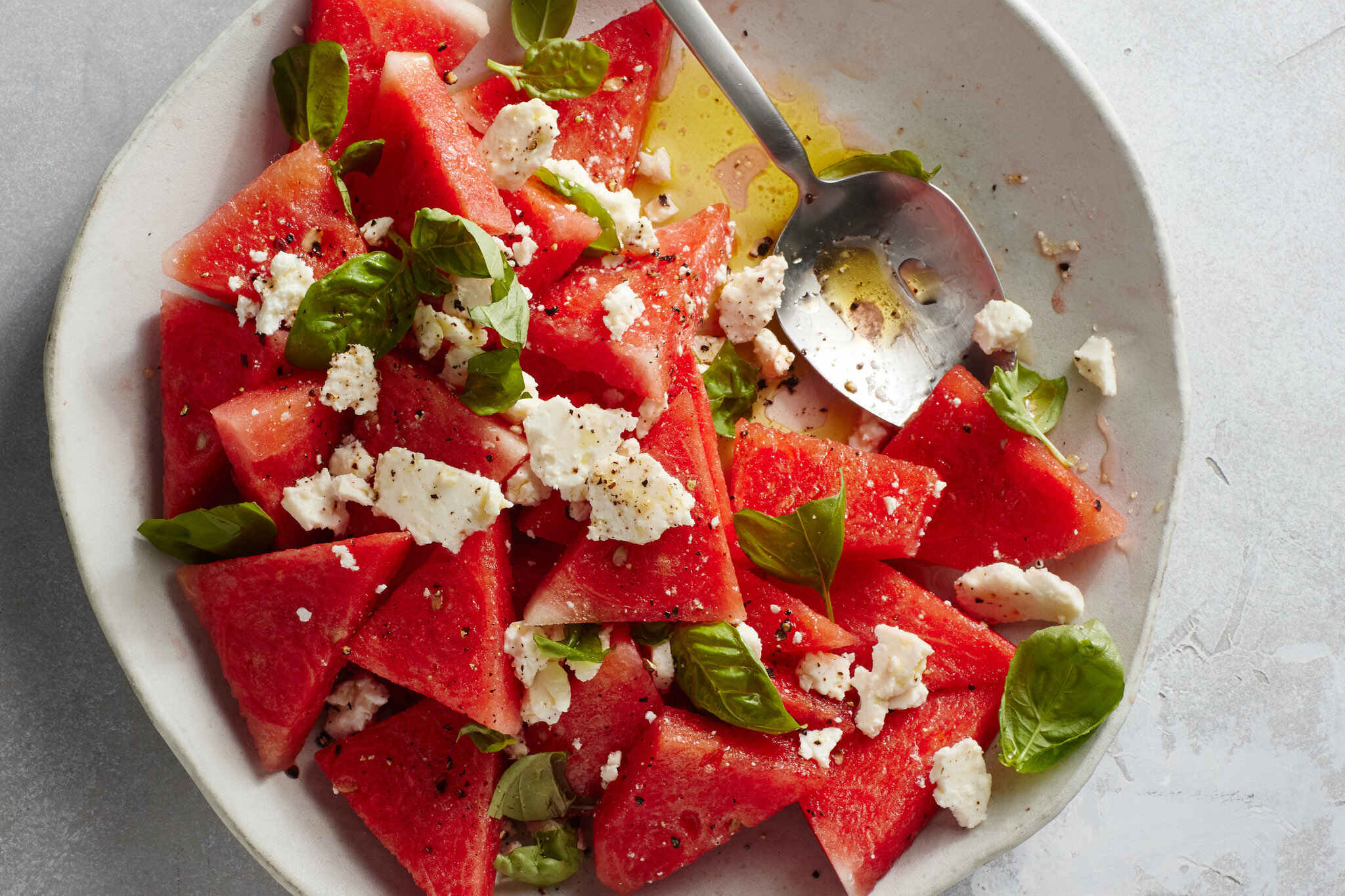
- Watermelon Basil Salad Recipe15 Minutes
- Ciabatta Grinder Salad Sandwich Recipe15 Minutes








Leave a Reply